How to Fix High Spots in a Ceramic Coating
Published How we research
High spots are the most common mistake with DIY ceramic and graphene coatings. They show up as dark, oily or rainbow-looking patches where excess product was not levelled before it started to cure. Caught early, they wipe away in seconds. Left to cure, they need polishing.
What a high spot looks like
A high spot is an area where coating is thicker than the surrounding paint. Under direct light or an inspection torch it appears as a darker, streaky or iridescent smear, often at the edges of a panel or where application overlapped.
They are easiest to see on dark paint and glass. Check each panel from several angles with a bright LED inspection light before moving on, since indoor garage lighting often hides them until the car is in sunlight.
Fixing high spots before curing
If you notice a high spot within the product's working time, usually a few minutes after levelling, apply a little more coating to the area to reactivate it, then level and buff it off with a clean, short-pile microfiber towel.
Work in small sections, about two feet square, and use fresh towel faces often. Towels loaded with coating smear product rather than removing it, which is how many high spots start.
Fixing high spots after curing
Once a coating has cured, reapplying product may not soften it. A high spot usually needs light machine polishing with a fine finishing polish and soft pad to level the excess, followed by a fresh thin layer of coating on that area.
Work gently and check often, since polishing too aggressively removes the coating entirely. On delicate or thin paint, consider professional help.
Why high spots happen
Too much product, humid or hot conditions, working in direct sunlight and waiting too long to level are the main causes. Coatings flash faster in heat and more slowly in cold, humid air, so the correct wait time changes with the weather.
Poor lighting is the other big factor. If you cannot see the flash and the levelling clearly, you will miss thick areas.
Application habits that prevent them
Apply a few drops to the applicator, spread in overlapping cross-hatch passes, then level with one towel and buff with a second clean towel. Follow the manufacturer's flash time rather than a generic guide.
Coat in shade at moderate temperature, work one panel at a time and inspect before moving on. Keep the car out of rain and avoid washing for the cure period the product specifies.
Products from this article
The highest-scoring picks from the buying guides mentioned above. Scores are our editorial assessment, not customer ratings.
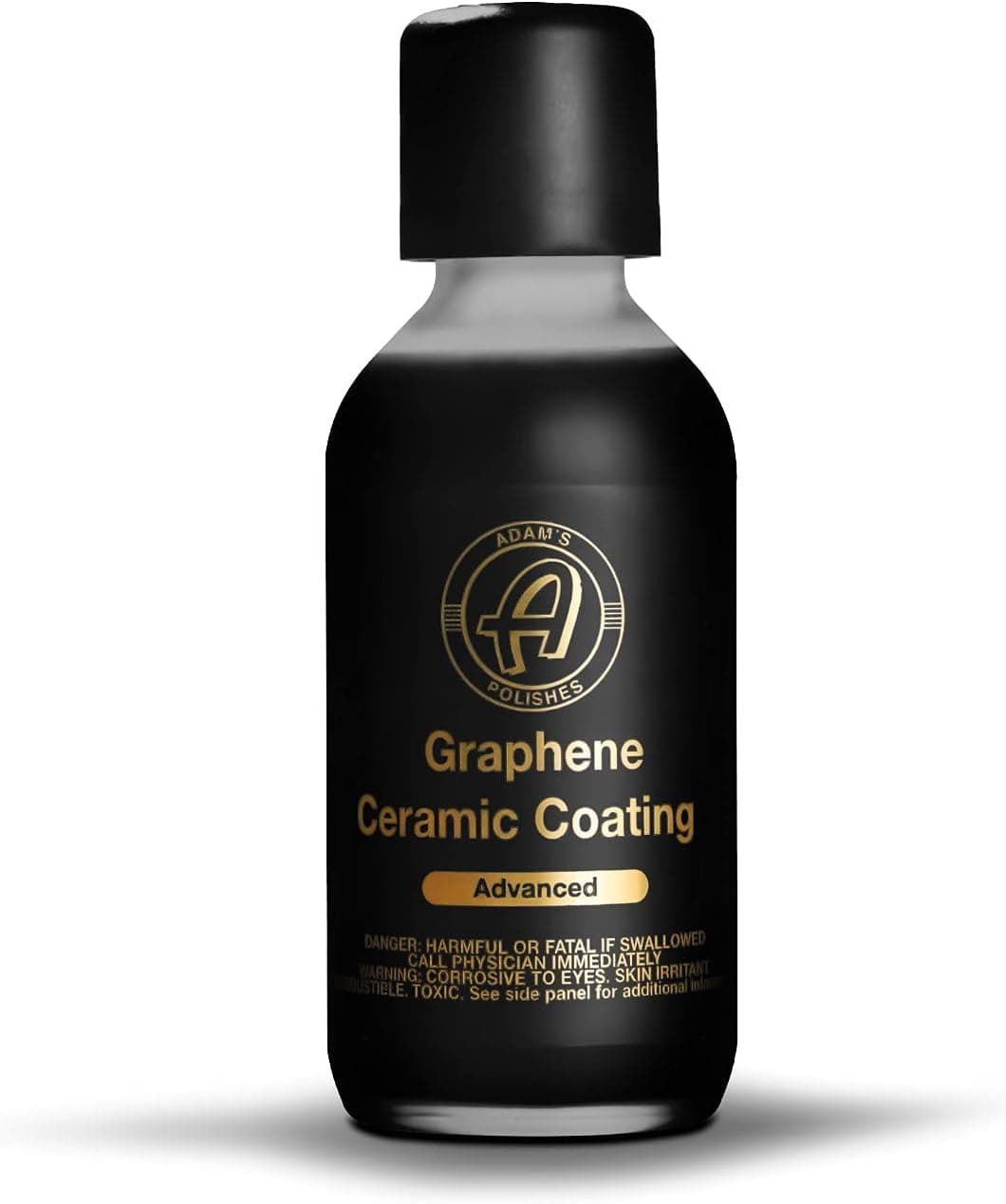
+ 9+ Years Protection claim aims at long-lasting paint defense
From our guide: Best Graphene Coatings for Durable Paint Protection
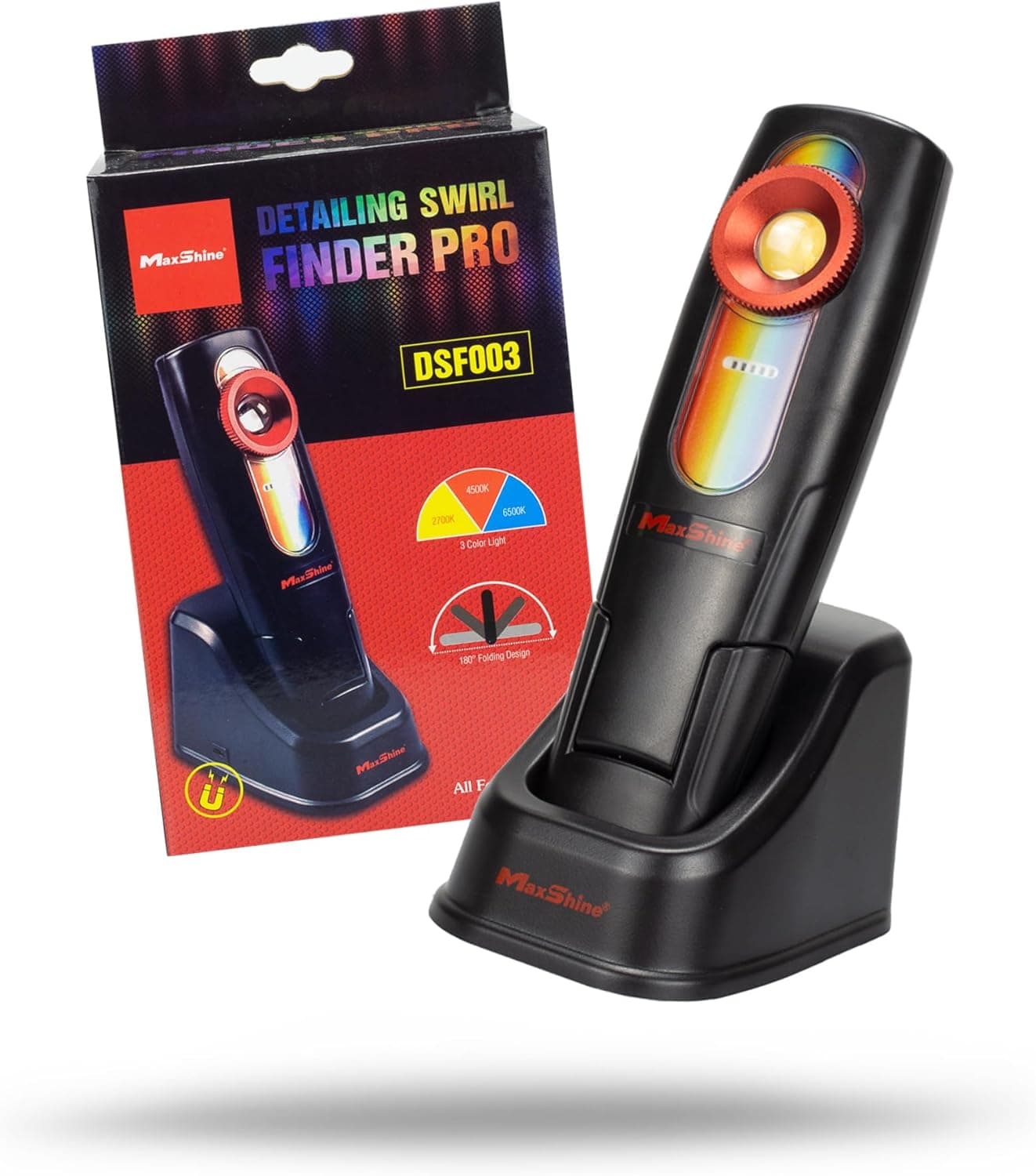
+ COB LED strip shows swirls and holograms clearly on paint
From our guide: Best Detailing Inspection Lights
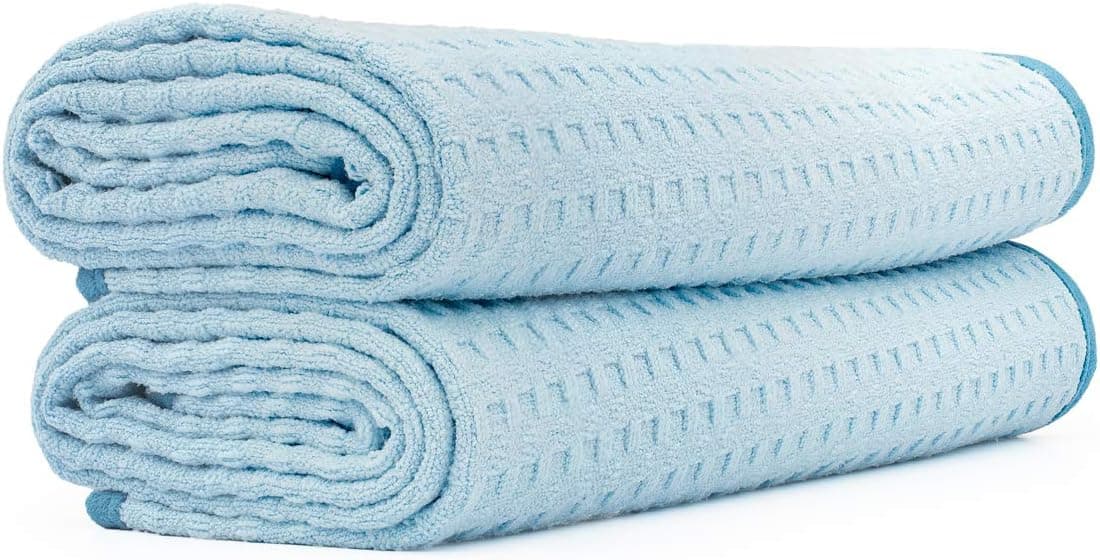
+ 70/30 blend balances absorbency with a soft touch on paint
From our guide: Best Microfiber Detailing Towels
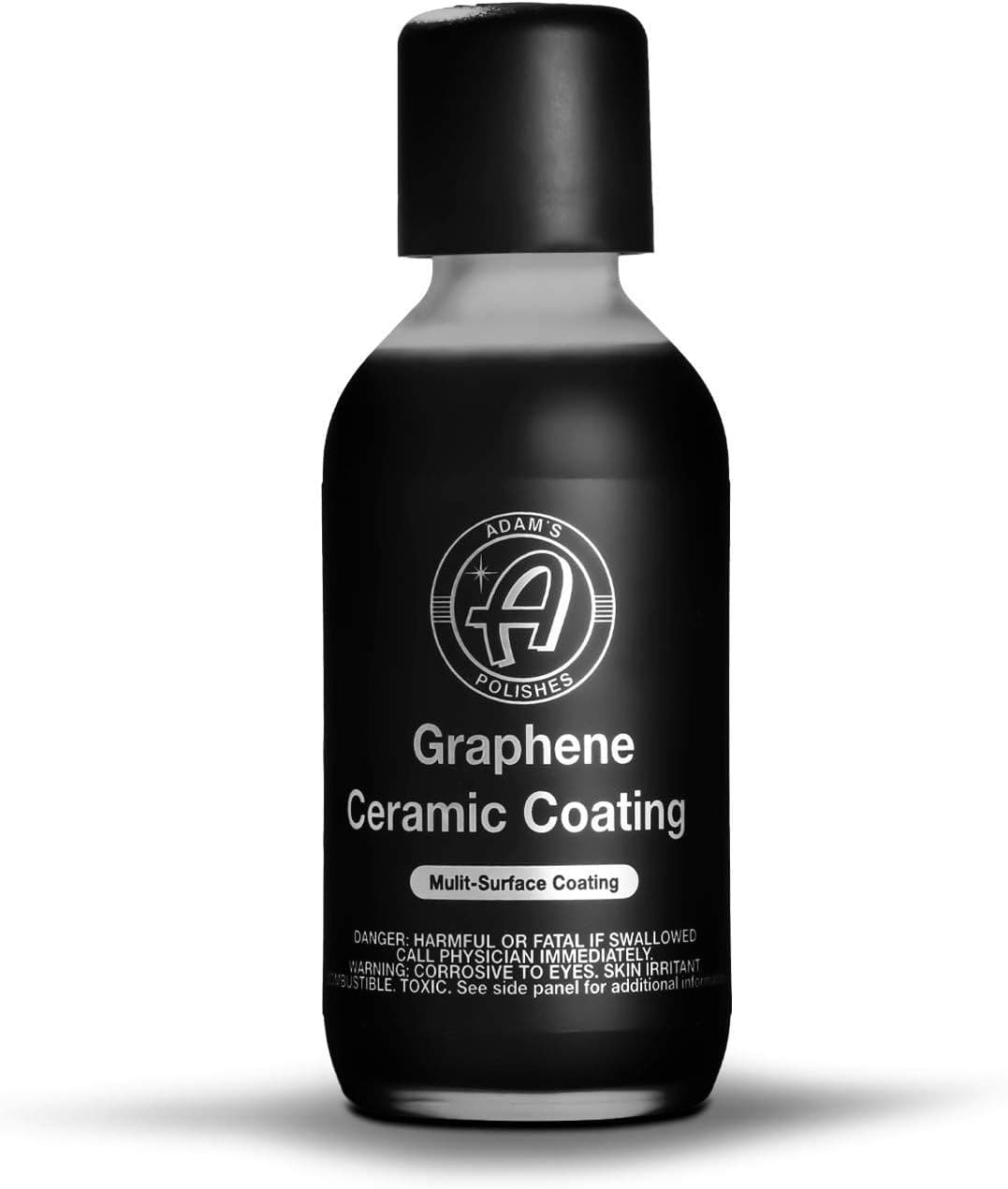
+ UV Glow Technology shows high and low spots during application
From our guide: Best Graphene Coatings for Durable Paint Protection
Popular right now
- Best Finishing Polishes for Maximum Gloss and ClarityBuying guide
- Best Spray Ceramic CoatingsBuying guide
- Cleaning Car Carpets and Fabric UpholsteryArticle
- Best Cutting Compounds for Removing Deep ScratchesBuying guide
- Best Car Scratch RemoversBuying guide
- Interior Detailing Step by StepArticle
Based on the last 28 days of search and visitor data.