How to Remove Tree Sap and Leaf Stains in Fall
Published How we research
Autumn is hard on paint. Wet leaves release tannins that stain light colours, sap and bird droppings bake onto panels on warm days, and debris traps moisture against the paint. Removing contamination quickly and adding protection before leaf season prevents most lasting marks.
Why leaves stain paint
Wet leaves sitting on paint release tannins and acids, which can leave brown silhouettes, especially on white and silver cars. The longer they sit and the warmer the day, the deeper the stain can etch into clear coat.
Leaves also block drainage channels around the windscreen and trunk, which can trap water and cause leaks or rust over time. Clear them regularly, not just from the paint.
Removing fresh sap safely
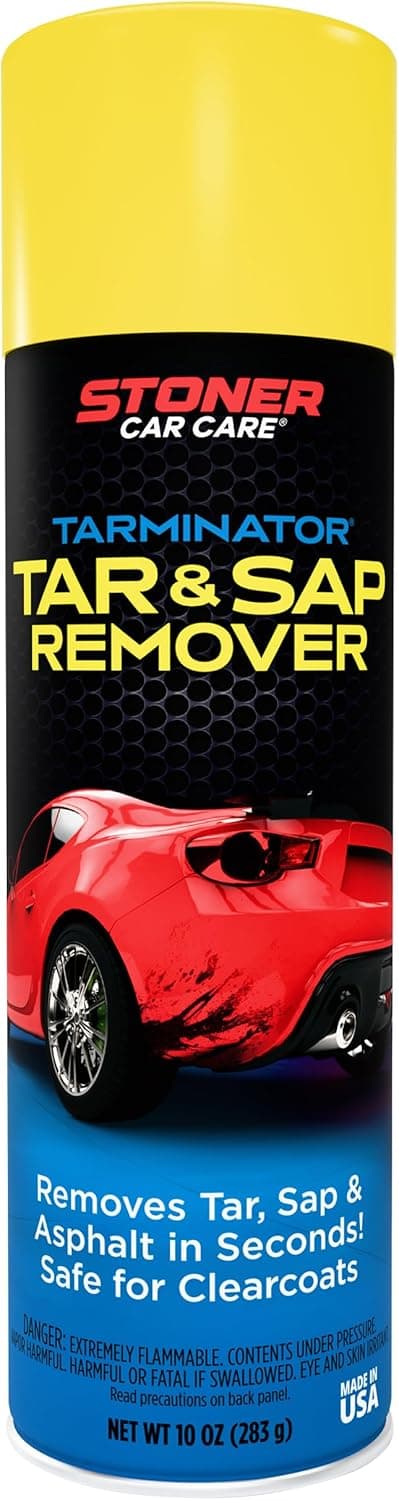
Soften fresh sap by soaking it with a detail spray or a dedicated bug and tar remover for a minute, then gently lift it with a microfiber towel. Avoid scraping with fingernails or rough cloths, which scratch paint.
For hardened sap, repeat the soak or use a small amount of isopropyl alcohol on a towel, test in an inconspicuous spot first and rinse the area afterwards. Rewax or reseal the spot, since solvents remove protection.
Dealing with leaf and tannin stains
Wash the car first to remove loose debris. Light tannin stains often fade with a clay treatment followed by a finishing polish, which removes the thin stained layer of contamination.
Deeper etched marks need machine polishing. Work carefully, measure paint thickness on older cars and stop if the mark does not improve, since some etching is too deep to remove safely.
Protect paint before leaf season
A fresh coat of sealant, spray coating or wax before autumn makes leaves, sap and droppings far easier to wipe off and slows staining. Coated cars shed contamination more easily during washing.
Park away from sap-dripping trees where possible, and use a breathable car cover only on a clean, dry car, since a cover over grit or wet leaves can scratch or trap moisture.
Build a quick fall routine
Remove leaves and droppings as soon as you see them, using a quick detailer and soft towel. Wash more often during wet, leafy weeks, even with a rinseless wash if you cannot use a hose.
Clear the cowl area below the windscreen and door jamb drains every couple of weeks, and check the cabin air filter, which fills with leaf debris in fall.
What not to do
Do not scrape hardened sap with a razor blade, credit card or fingernail, and avoid abrasive household cleaners, kitchen sponges and nail polish remover. These remove sap but leave scratches or dull the clear coat, turning a small spot into a larger repair.
Avoid parking a car covered in wet leaves in a closed garage for days. Trapped moisture keeps tannins active and encourages water spotting. Rinse or wipe the leaves off first, and let the car dry before covering or storing it.
Products from this article
The highest-scoring picks from the buying guides mentioned above. Scores are our editorial assessment, not customer ratings.
+ Dissolves tar and asphalt spots without scrubbing hard
From our guide: Best Bug and Tar Removers for Bumpers and Paint
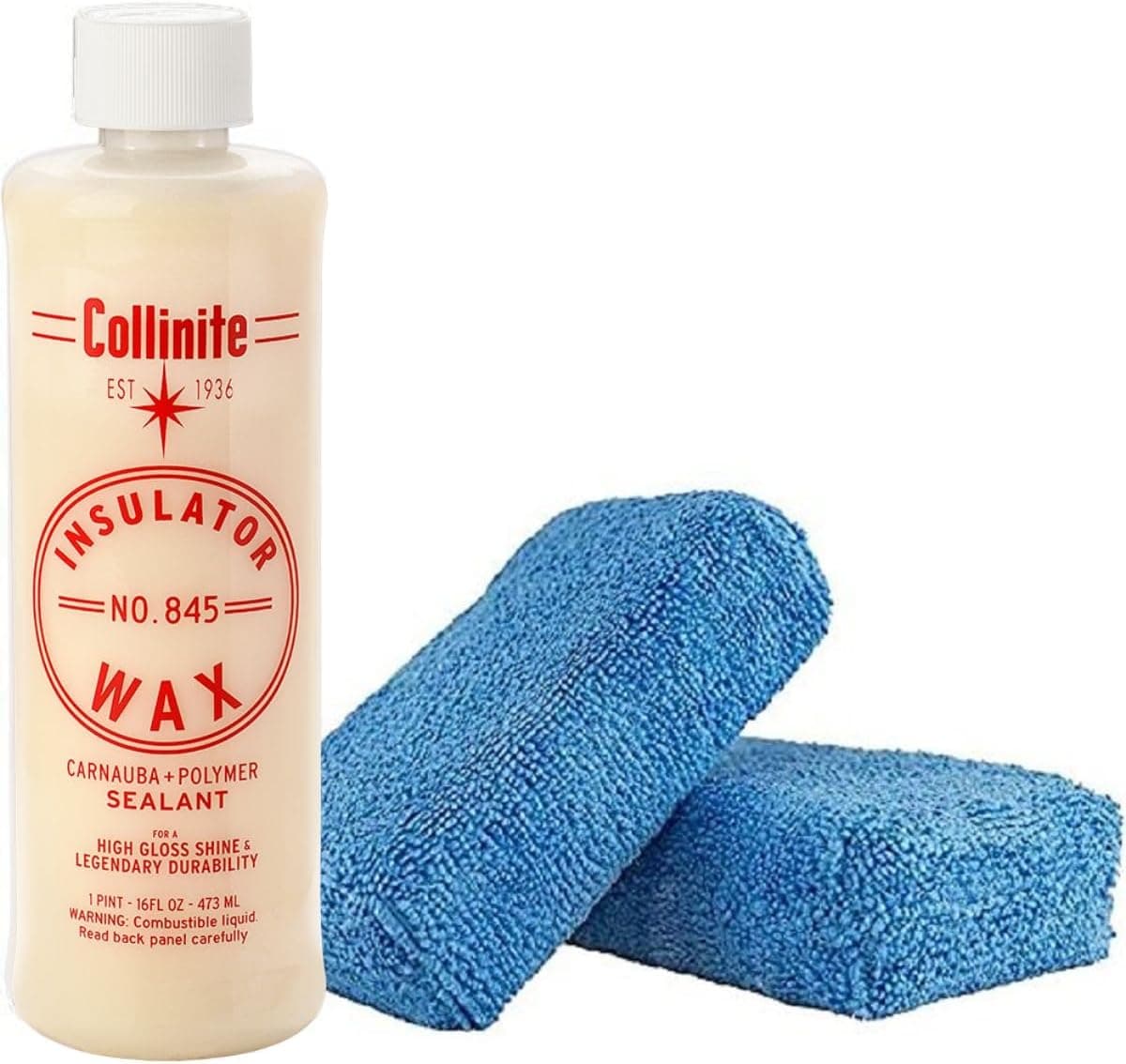
+ Carnauba plus polymer blend gives warm gloss and tough durability
From our guide: Best Paint Sealants
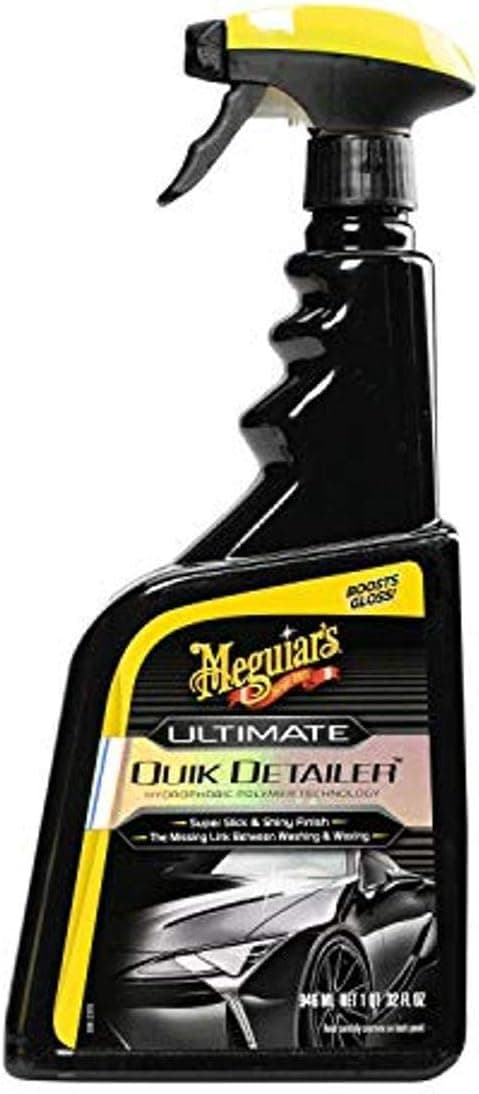
+ 32 Oz bottle lowers cost per use for frequent detailers
From our guide: Best Quick Detailer Sprays
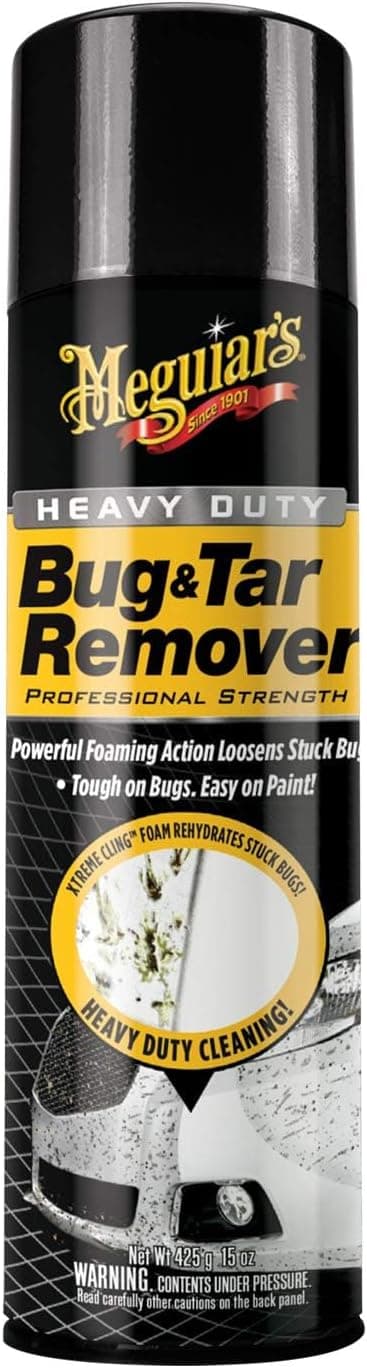
+ Heavy duty formula tackles dried bugs that soap alone leaves behind
From our guide: Best Bug and Tar Removers for Bumpers and Paint
Popular right now
- Best Finishing Polishes for Maximum Gloss and ClarityBuying guide
- Best Spray Ceramic CoatingsBuying guide
- Cleaning Car Carpets and Fabric UpholsteryArticle
- Best Cutting Compounds for Removing Deep ScratchesBuying guide
- Best Car Scratch RemoversBuying guide
- Interior Detailing Step by StepArticle
Based on the last 28 days of search and visitor data.