Ceramic Coating vs Graphene Coating: What to Know
As an Amazon Associate I earn from qualifying purchases.
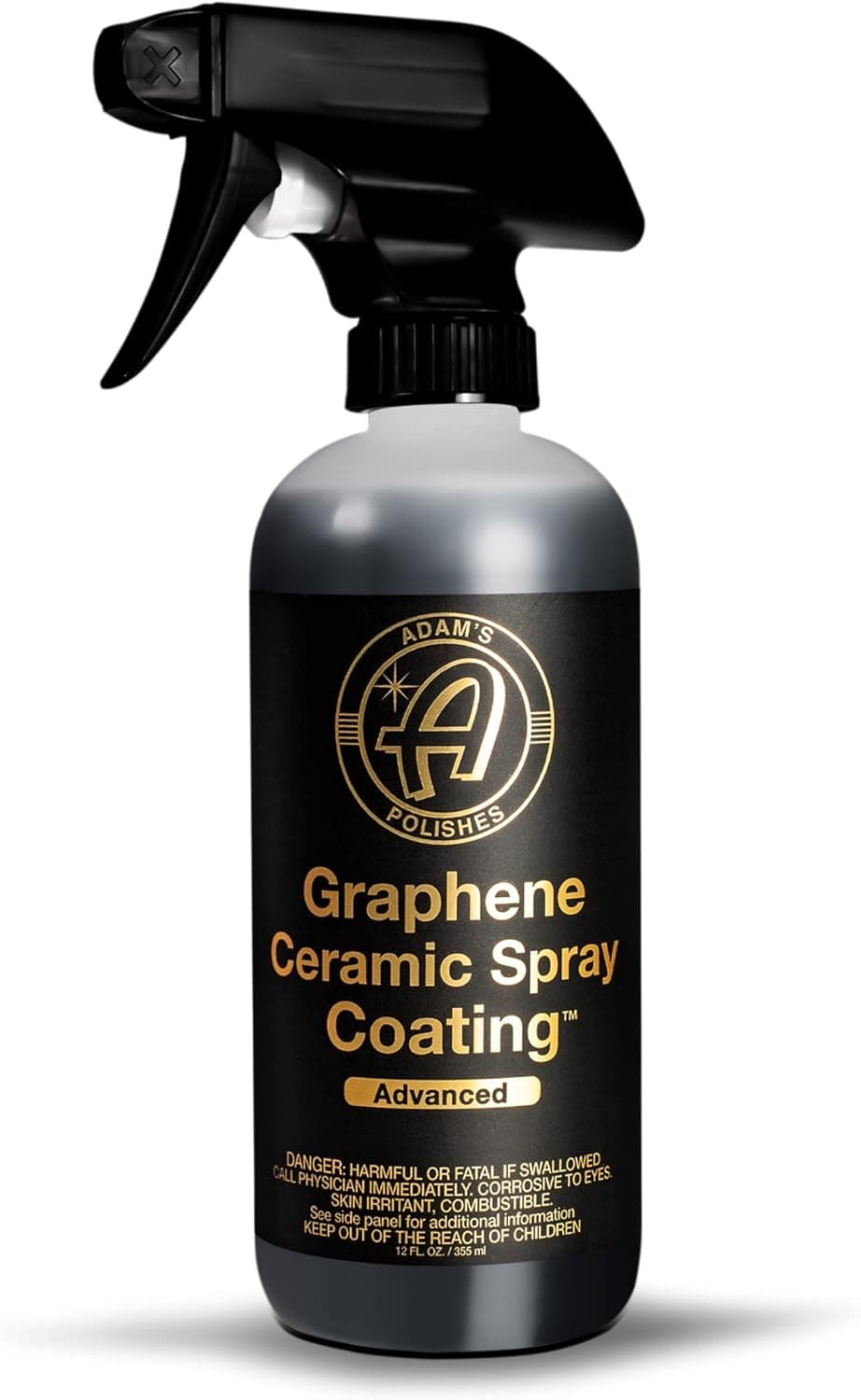
Ceramic and graphene coatings both promise long lasting shine and easier washing, which makes choosing between them confusing. The truth is they share a lot of chemistry, with graphene coatings building on the same silica foundation. This guide compares them on the things that matter to a DIY owner, including durability, water behavior, heat resistance, and ease of application. By the end you will know which one fits your car, your climate, and your patience level.
The Shared Foundation
Both coatings create a hard, hydrophobic layer that bonds to your clear coat. They repel water, resist light chemical staining, and make dirt easier to rinse away. That shared behavior is why the two feel similar on the surface of a freshly coated panel.
The differences come from additives and formulation rather than a completely new category. Graphene coatings add graphene oxide to the mix, while traditional coatings rely primarily on silica based chemistry, but both live in the same protective family.
Durability Expectations
Durability depends heavily on prep, application, and how you maintain the car afterward. A well applied coating on properly decontaminated paint will outlast a rushed job on dirty paint every time, regardless of which type you chose.
Manufacturers make bold longevity claims, so treat marketing timelines with healthy skepticism. Focus on the practical difference: a coating that stays hydrophobic and easy to clean through many washes is doing its job well.
Water Behavior and Spotting
Graphene coatings are often marketed for reduced water spotting because water tends to sheet off rather than sit in beads that dry into spots. For owners in hot, sunny climates, that behavior can mean less time chasing mineral marks.
Ceramic coatings still shed water very well and give the tight beading many enthusiasts love to watch. The right choice depends on whether you prioritize dramatic beading or flatter sheeting that dries with fewer spots.
Where Sealants Fit In
If a full coating feels like too much commitment, a paint sealant is a gentler middle ground. Sealants apply more like a wax, cure quickly, and still deliver strong water repellency and gloss for months.
Sealants are also a smart way to learn application discipline before you invest in a harder coating. Many owners start with a sealant, build confidence, and later graduate to a longer lasting ceramic or graphene product.
Making the Final Call
For most DIY owners, the decision comes down to climate, budget, and how much prep you are willing to do. Both coatings reward careful surface preparation and punish shortcuts, so honest self assessment matters more than the label.
If you want the simplest maintenance routine, keep a quick detailer or spray topper on hand to refresh the coating after washes. This keeps water behavior strong and stretches the life of whichever coating you choose.