Ceramic Coating vs Wax vs Sealant
Published How we research
Carnauba wax gives the warmest look and is the most beginner-friendly, but lasts only four to eight weeks. A synthetic sealant trades a little warmth for a crisper shine and four to six months of protection with almost no extra effort. A ceramic coating bonds hard to the paint for two to five years of intense gloss and chemical resistance, but demands flawless paint prep and precise application. Match the product to how often you detail, your climate, and how long you keep the car. Every car needs a layer of protection over the clear coat, but the three main options behave very differently. Wax, sealant, and ceramic coating all repel water and add gloss, yet they differ enormously in how long they last, how they look, and how much work they take to apply. Choosing well means matching the product to your goals, your climate, and how much time you want to spend.
Products from this article
The highest-scoring picks from the buying guides this article links to. Scores are our editorial assessment, not customer ratings.
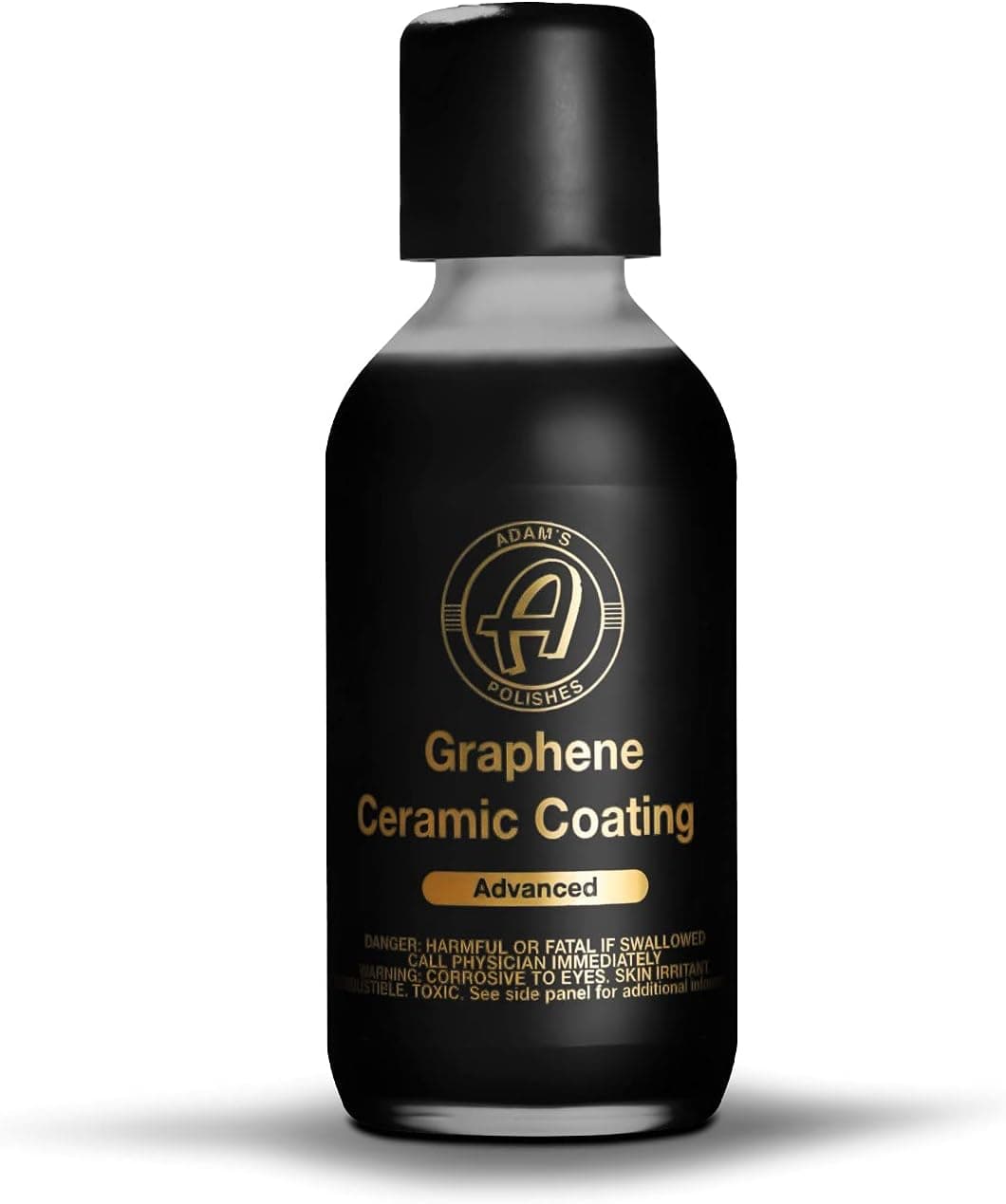
+ 9+ Years Protection claim aims at long-lasting paint defense
From our guide: Best Graphene Coatings for Durable Paint Protection
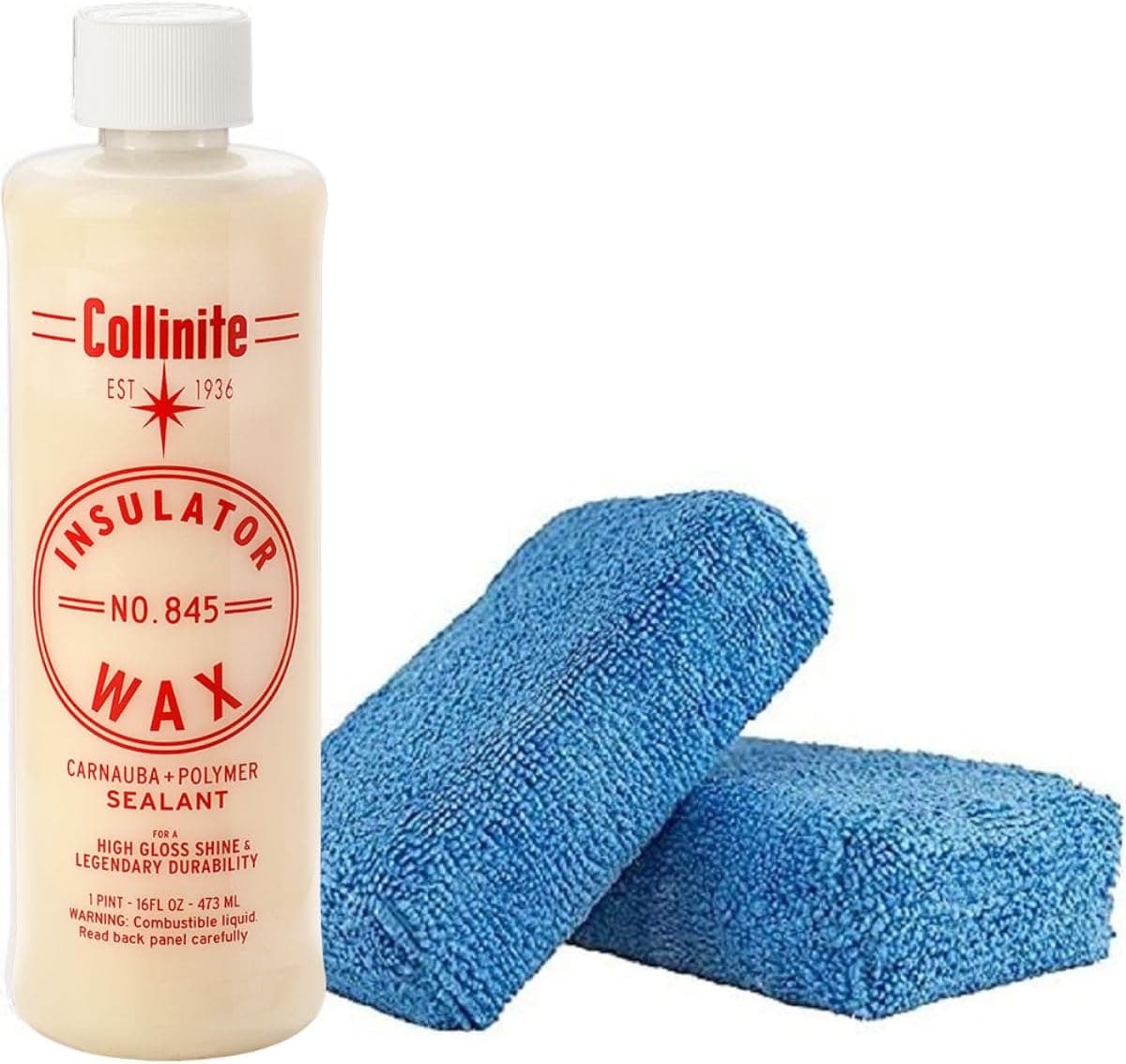
+ Carnauba plus polymer blend gives warm gloss and tough durability
From our guide: Best Paint Sealants
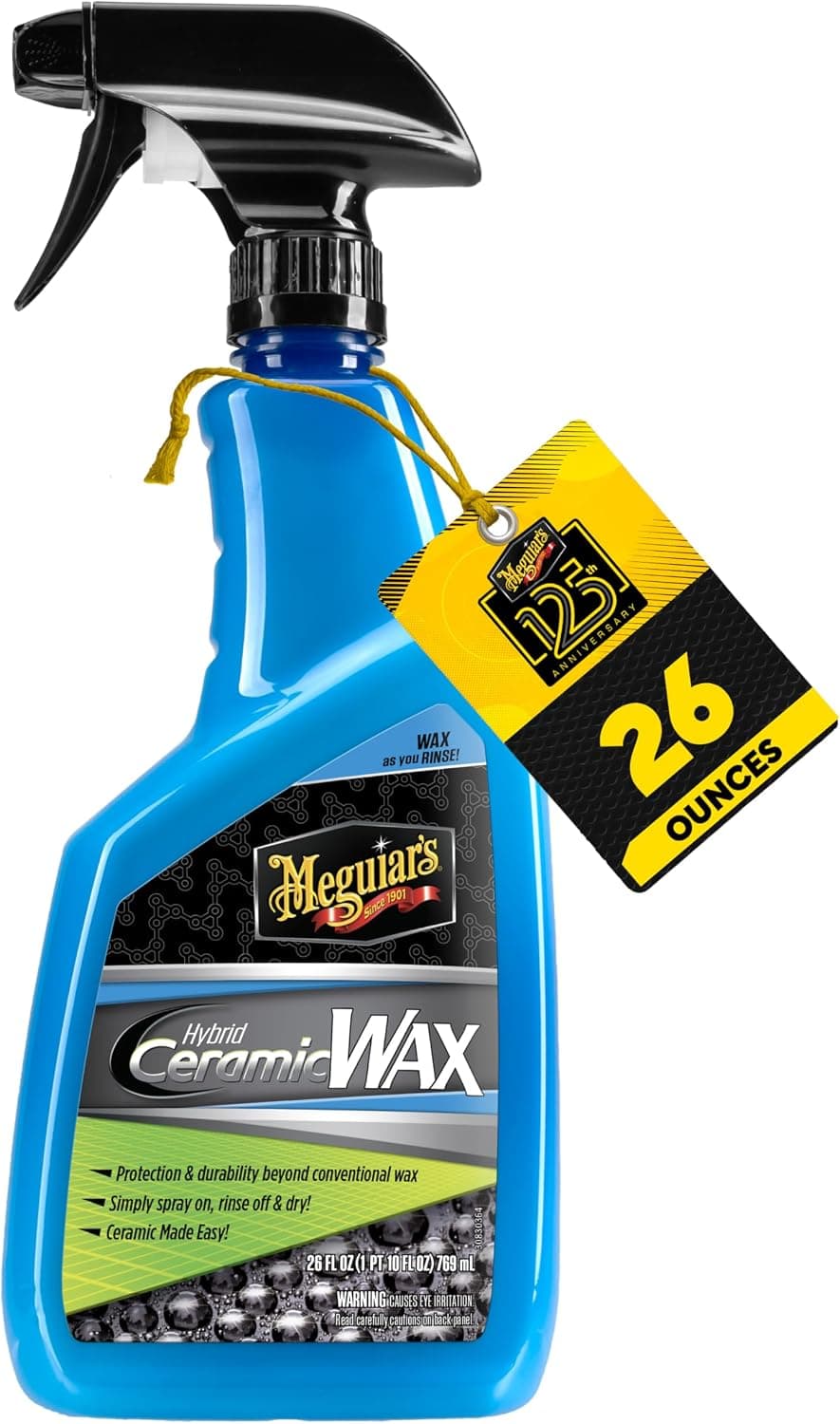
+ SiO2 Technology adds strong water beading for a spray product
From our guide: Best Spray Waxes
+ UV Glow Technology shows high and low spots during application
From our guide: Best Graphene Coatings for Durable Paint Protection
Carnauba wax: warmth and forgiveness
Carnauba wax is the traditional choice, made from a natural palm-derived material blended with oils and solvents. Its signature is warmth and depth, a slightly glowing look that many enthusiasts love on dark colors. Wax is easy to apply and forgiving of mistakes, but it is the least durable option, typically lasting four to eight weeks before it fades. It also softens in heat, so summer sun shortens its life further.
Paint sealants: the low-effort middle ground
Paint sealants are synthetic, usually built on polymers that bond to the clear coat. They trade a little of wax's warmth for a crisper, more reflective shine and much better longevity, often four to six months. Sealants shrug off heat and detergents better than wax and lay down a slicker surface. They are the sensible middle ground for someone who wants real protection without the commitment of a coating.
Ceramic coatings: semi-permanent protection
Ceramic coatings are a different category entirely. Based on silica, they cure into a hard, semi-permanent layer chemically bonded to the paint. A good coating lasts two to five years, produces intense gloss and water beading, and resists chemicals, UV, and light marring far better than anything else. The tradeoff is preparation and price. The paint must be flawlessly corrected and decontaminated first, because the coating locks in whatever is underneath, including any swirls.
How cost scales with durability
Cost scales with durability. A tin of wax is inexpensive and you can apply it in an afternoon. A quality sealant costs a bit more but stretches far further per application. A professional ceramic coating can run into several hundred dollars or more, though consumer-grade coatings let you do it yourself for less. When you divide the cost by the months of protection, coatings often end up competitive despite the higher upfront number.
Effort and skill required
Effort and skill also differ. Wax tolerates beginners and mistakes wipe away easily. Sealants are nearly as simple. Ceramic coatings demand careful surface prep, controlled application in a clean environment, and quick, precise wiping before the product hazes and hardens. A botched coating application can leave high spots that require polishing to remove, so it rewards care.
Matching the product to your situation
For most people the honest answer is to match the product to the situation. Choose wax if you enjoy frequent detailing and love that deep look. Choose a sealant for reliable, low-effort protection through the seasons. Choose a ceramic coating if you want long-term durability, plan to keep the car, and are willing to prep the paint properly. There is no single best product, only the right one for how you drive and how much you want to fuss.
Frequently asked questions
How long does each type of paint protection last? Carnauba wax lasts about four to eight weeks, a synthetic sealant four to six months, and a ceramic coating two to five years.
Is a ceramic coating worth it? If you keep the car long term and are willing to fully correct and decontaminate the paint first, yes, because the coating locks in whatever is underneath. Divided by months of protection it is often cost-competitive.
Which gives the best gloss? Ceramic coatings produce the most intense gloss and water beading; carnauba wax gives the warmest, deepest look on dark colours; sealants are the crispest and most reflective.
Can I put wax over a ceramic coating? You can, but it adds little. A dedicated coating maintenance spray or sealant tops it up better without masking the coating's slickness.
Popular right now
- Best Cordless Car PolishersBuying guide
- Best Clay MittsBuying guide
- Best Rinseless Car Wash Solutions for Low-Water DetailingBuying guide
- Best Finishing Polishes for Maximum Gloss and ClarityBuying guide
- Car Detailing Dilution Ratio ChartArticle
- How to Remove Tree Sap and Leaf Stains in FallArticle
Based on the last 28 days of search and visitor data.