Claying vs Chemical Decontamination
Published How we research
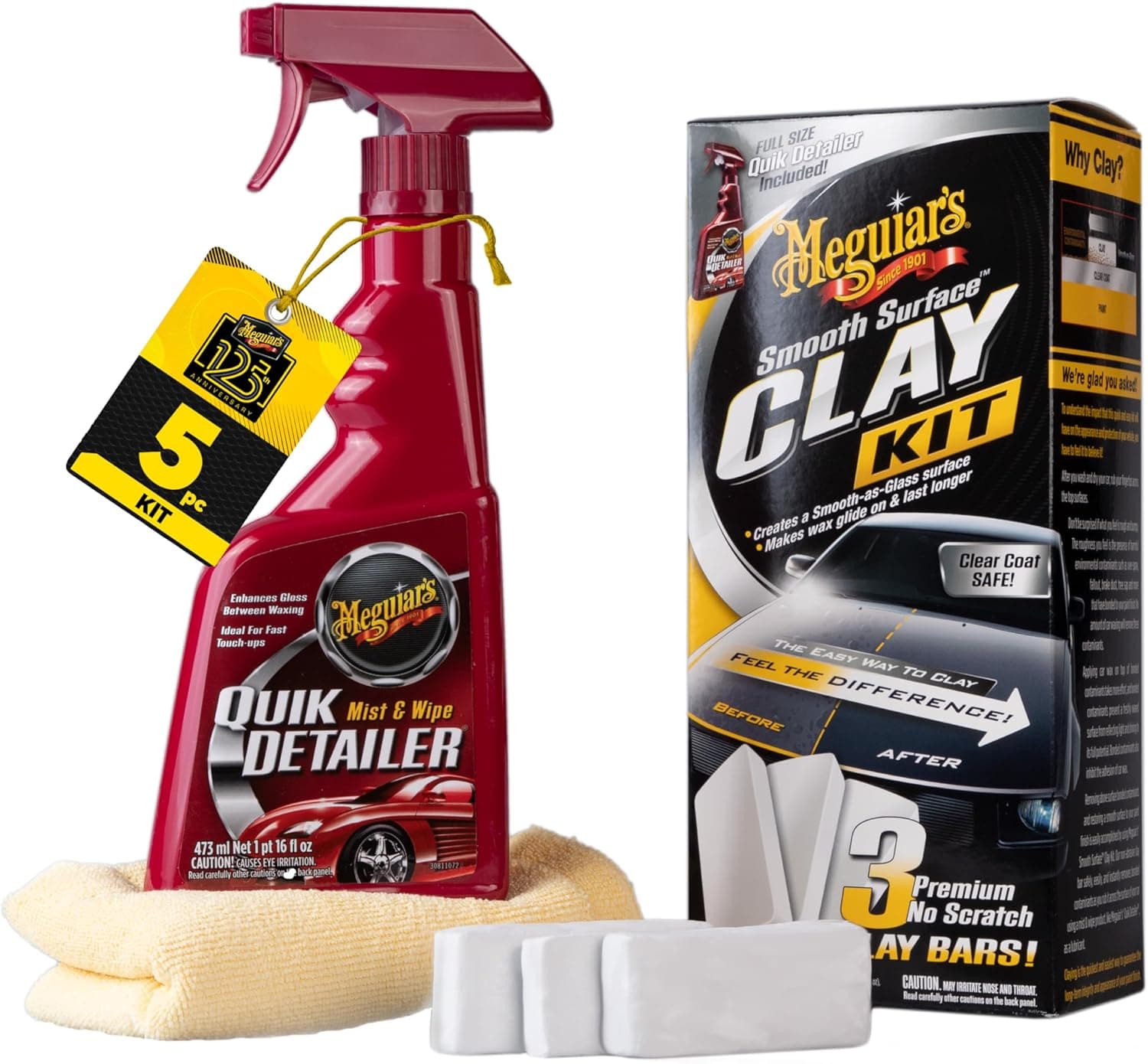
Chemical decontamination (iron and tar removers) dissolves specific bonded contaminants without touching the paint, and should come first. Mechanical decontamination with clay then shears off the general remaining grit and overspray. Doing chemical first keeps the clay cleaner, safer, and faster. Before a polish or ceramic coating, do the full sequence, because a coating locks in whatever roughness remains underneath for years. Getting paint truly smooth before polishing or coating requires removing bonded contamination, and there are two families of methods to do it. Mechanical decontamination uses clay to physically shear particles off the surface, while chemical decontamination uses products like iron removers and tar removers to dissolve contamination. Understanding what each targets helps you decon efficiently rather than relying on one method to do everything.
Chemical decontamination comes first
Chemical decontamination comes first in a proper process, and for good reason. Iron fallout removers dissolve embedded metallic particles, and tar removers dissolve sticky tar and adhesive residue. These products handle specific contaminants that clay would otherwise have to grind out mechanically, which loads up your clay quickly and increases the risk of marring. Dissolving what can be dissolved first means the clay has far less work to do.
Clay removes what chemicals leave behind
Mechanical decontamination with clay then removes what chemicals leave behind. Clay excels at pulling out the general bonded grit, overspray, and stubborn particles that chemicals do not target. It physically grabs anything protruding above the surface as it glides across lubricated paint. After chemical decon has stripped the iron and tar, claying smooths out the remaining texture, leaving genuinely glassy paint.
Why the sequence matters
The sequence matters. Wash the car first to remove loose dirt, then do chemical decontamination, spraying iron remover and tar remover as needed and rinsing thoroughly. Only then move to claying. Doing it in this order means your clay stays cleaner longer, works more safely, and does not waste itself fighting tar and iron that a dedicated product would have removed in seconds without any physical contact.
The tradeoffs of each method
Each method has tradeoffs to weigh. Chemical decon is nearly touchless and therefore very safe on the paint, but each product targets only its specific contaminant, so you may need several. Claying is versatile and handles a broad range of contamination in one pass, but it is mildly abrasive and can induce faint marring on soft paint, which is why it is best followed by polishing. Combining both plays to each one's strengths.
How much decontamination you actually need
How much decontamination you need depends on the paint's condition and your goal. For a car that just needs a maintenance clean, a light chemical decon might suffice. Before a polish or a ceramic coating, do the full process, chemical then mechanical, because coatings lock in whatever contamination remains underneath. Skimping on decon before a coating is a costly mistake, since it traps roughness for years.
Decontamination as a two-part system
Think of decontamination as a two-part system rather than a single step. Chemicals handle the specific bonded contaminants they are designed for, quickly and without touching the paint, and clay finishes the job by removing the general remaining grit mechanically. Used together in the right order, they leave the smoothest possible surface, which is the essential groundwork for flawless polishing and long-lasting protection.
Frequently asked questions
Should I clay or use chemical decon first? Chemical first: iron and tar removers dissolve what clay would otherwise have to grind out, which loads the clay quickly and risks marring. Then clay the general grit.
Is clay bar bad for my paint? Clay is mildly abrasive and can induce faint marring on soft paint, which is why claying is best followed by polishing. Plenty of lubrication reduces the risk.
Do I need to decontaminate before a ceramic coating? Yes, the full chemical-then-mechanical process. Coatings lock in any remaining contamination, so skimping traps roughness for the life of the coating.
Can chemical decon replace claying entirely? For a maintenance clean, a light chemical decon may be enough. Before polishing or coating, you still want clay to remove the general bonded grit chemicals do not target.
Products from this article
The highest-scoring picks from the buying guides mentioned above. Scores are our editorial assessment, not customer ratings.
+ 240 Grams of Clay covers several vehicles or large trucks
From our guide: Best Clay Bars and Kits for Smooth, Decontaminated Paint
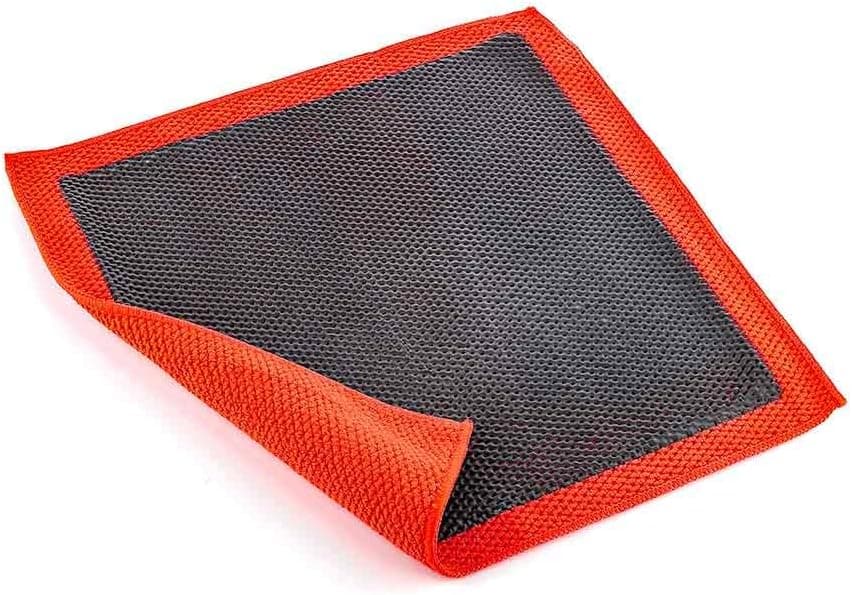
+ Fine grade clay is less likely to haze soft or dark paint
From our guide: Best Clay Mitts
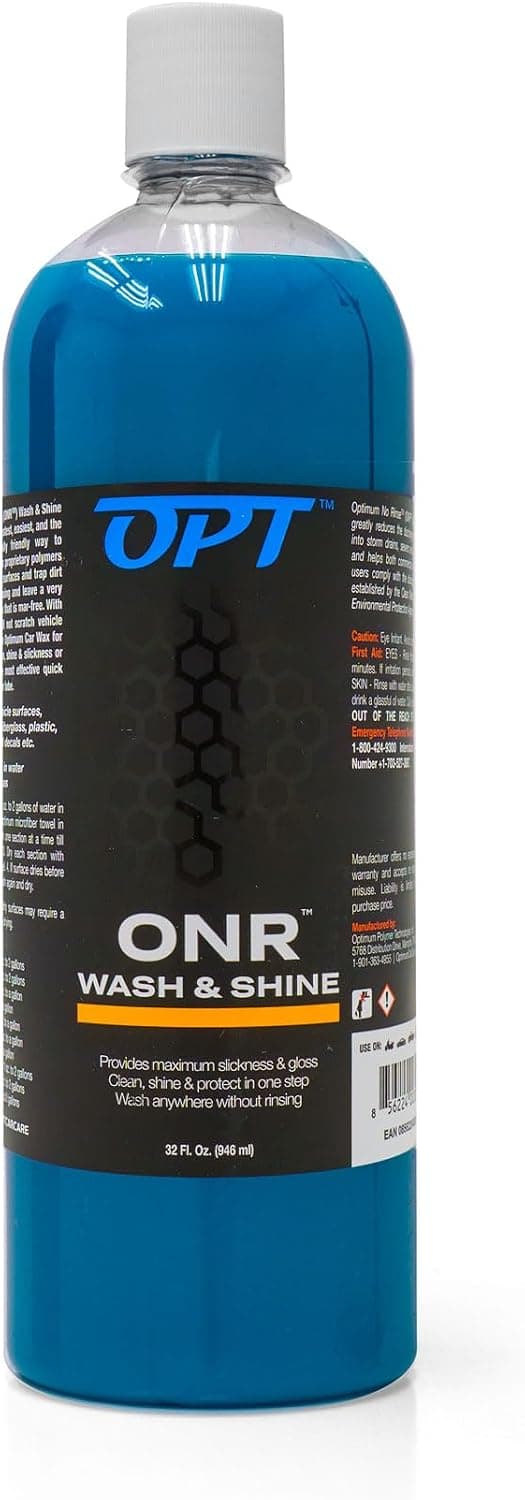
+ Concentrate dilutes into many buckets, so one bottle lasts a long time
From our guide: Best Rinseless Car Wash Solutions for Low-Water Detailing
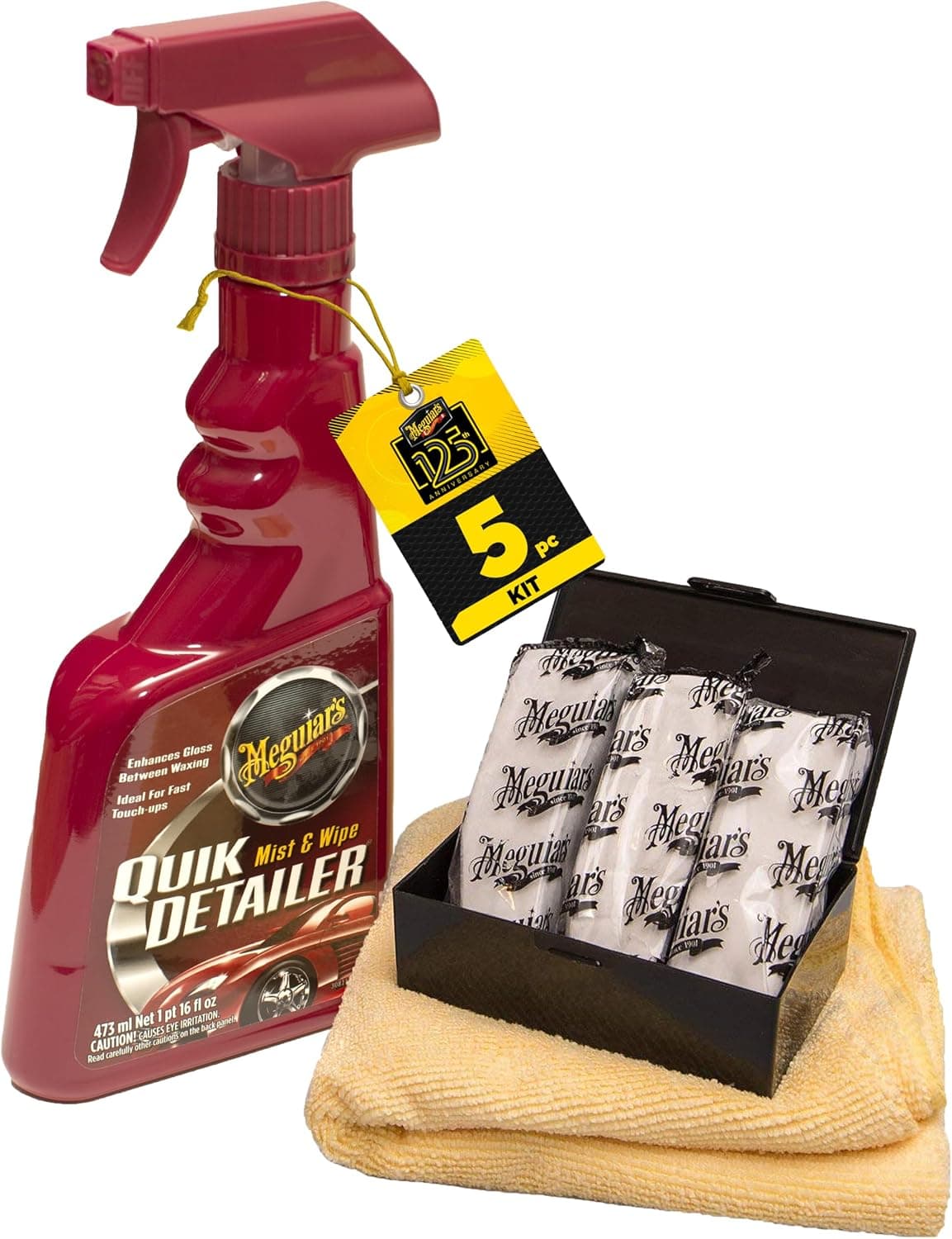
+ Complete starter kit includes clay and lubricant for first-timers
From our guide: Best Clay Bars and Kits for Smooth, Decontaminated Paint
Popular right now
- Best Finishing Polishes for Maximum Gloss and ClarityBuying guide
- Best Spray Ceramic CoatingsBuying guide
- Cleaning Car Carpets and Fabric UpholsteryArticle
- Best Cutting Compounds for Removing Deep ScratchesBuying guide
- Best Car Scratch RemoversBuying guide
- Interior Detailing Step by StepArticle
Based on the last 28 days of search and visitor data.