Cleaning and Restoring Faded Plastic Trim
Published How we research
Few things age a car's appearance like faded exterior plastic trim. Those textured black bumper strips, mirror caps, window surrounds, and cladding start out deep black but turn chalky gray over time. It happens to well-maintained cars too, and it can make an otherwise clean vehicle look tired. Understanding why trim fades points directly to how to fix and prevent it.
Unfinished textured plastic fades because UV rays and oxidation break down the surface, and the porous, grippy texture holds dust, wax residue, and dried cleaner that all contribute to the gray, blotchy look. Unlike painted surfaces with a protective clear coat, this raw plastic is directly exposed to the elements. The fading is usually shallow, sitting in the top layer, which is why restoration is very achievable.
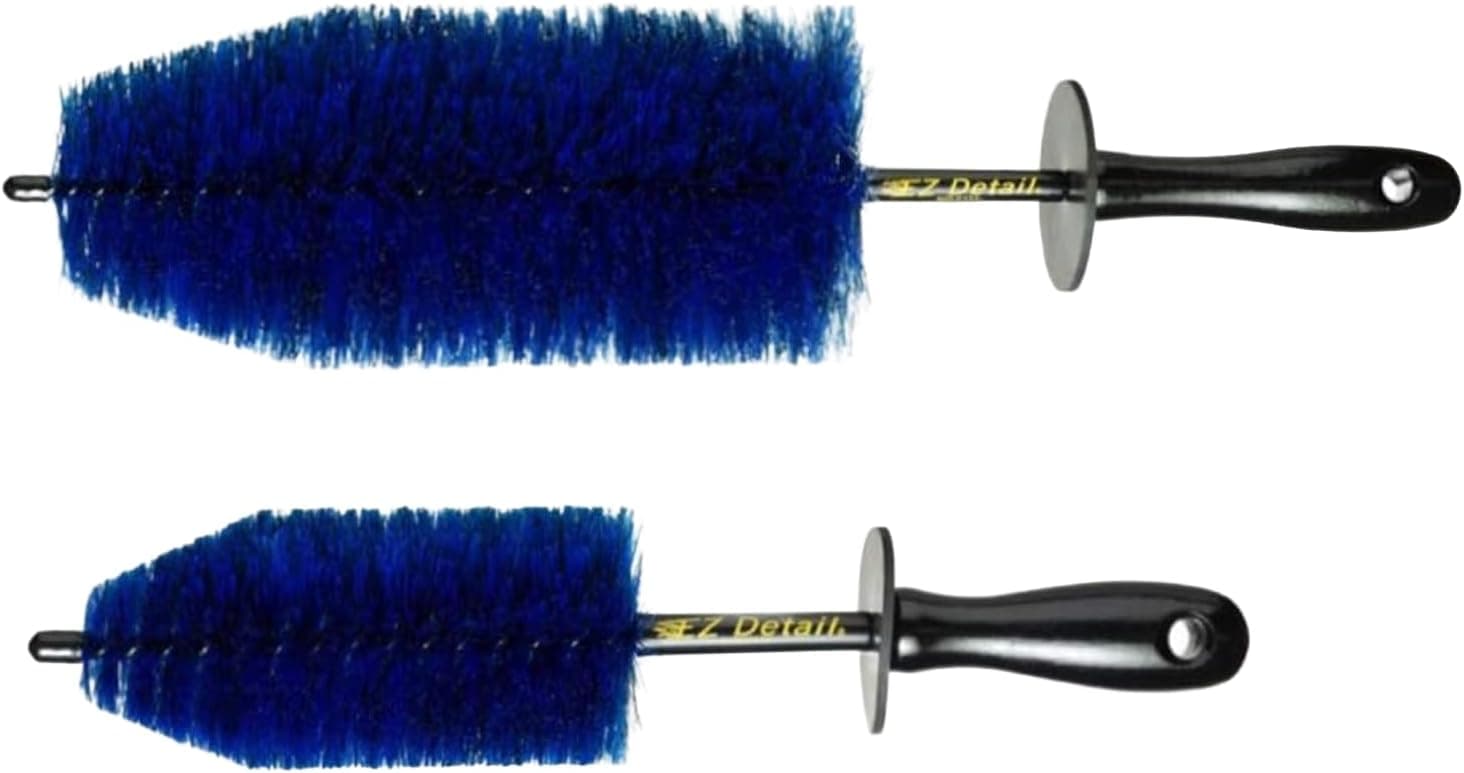
Start by cleaning the trim thoroughly, because much of what looks like fade is actually embedded grime and dried-in wax. Use an all-purpose cleaner and a stiff detailing brush to work into the texture, scrubbing out the dirt and any white wax residue trapped in the grain. This step alone often revives trim significantly, and it is essential before any restorer, which needs a clean surface to bond to. Rinse and dry completely.
A critical caution during washing and waxing is to keep wax and polish off the trim in the first place. Dried wax leaves stubborn white streaks in textured plastic that are a chore to remove. Tape off trim before polishing or waxing nearby panels, or wipe any stray product off the plastic immediately before it dries. Prevention here saves a lot of scrubbing later.
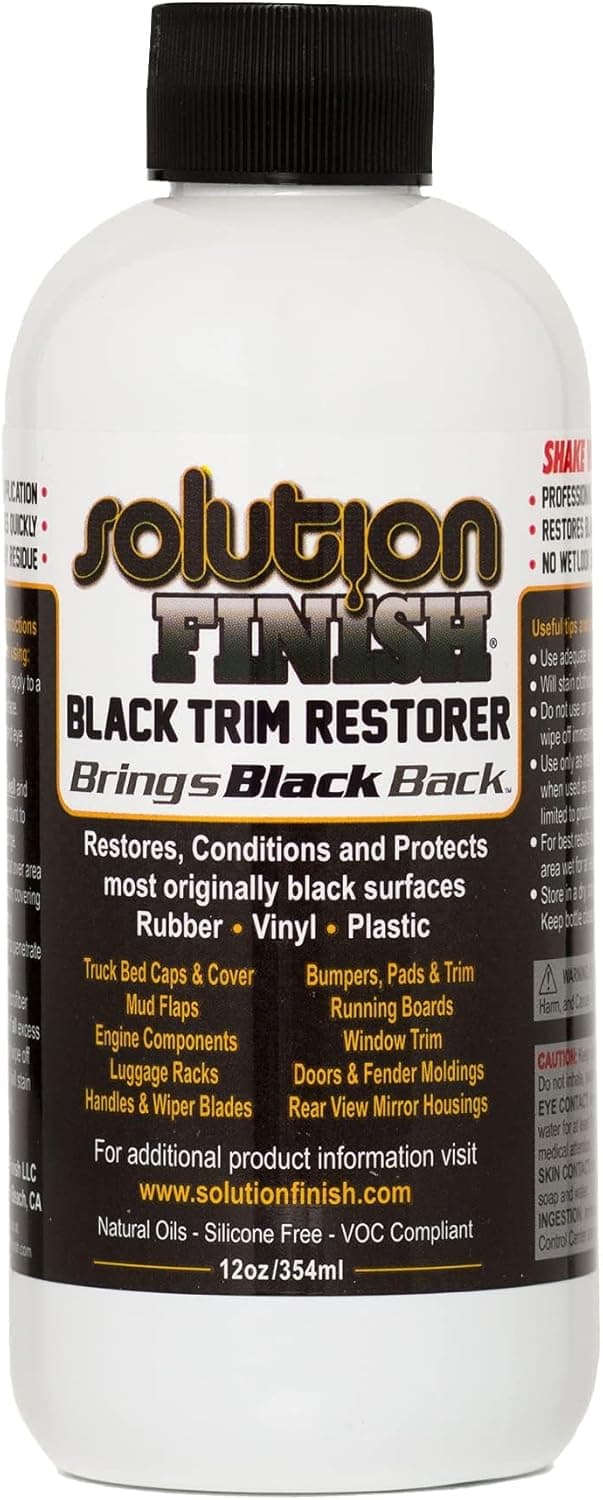
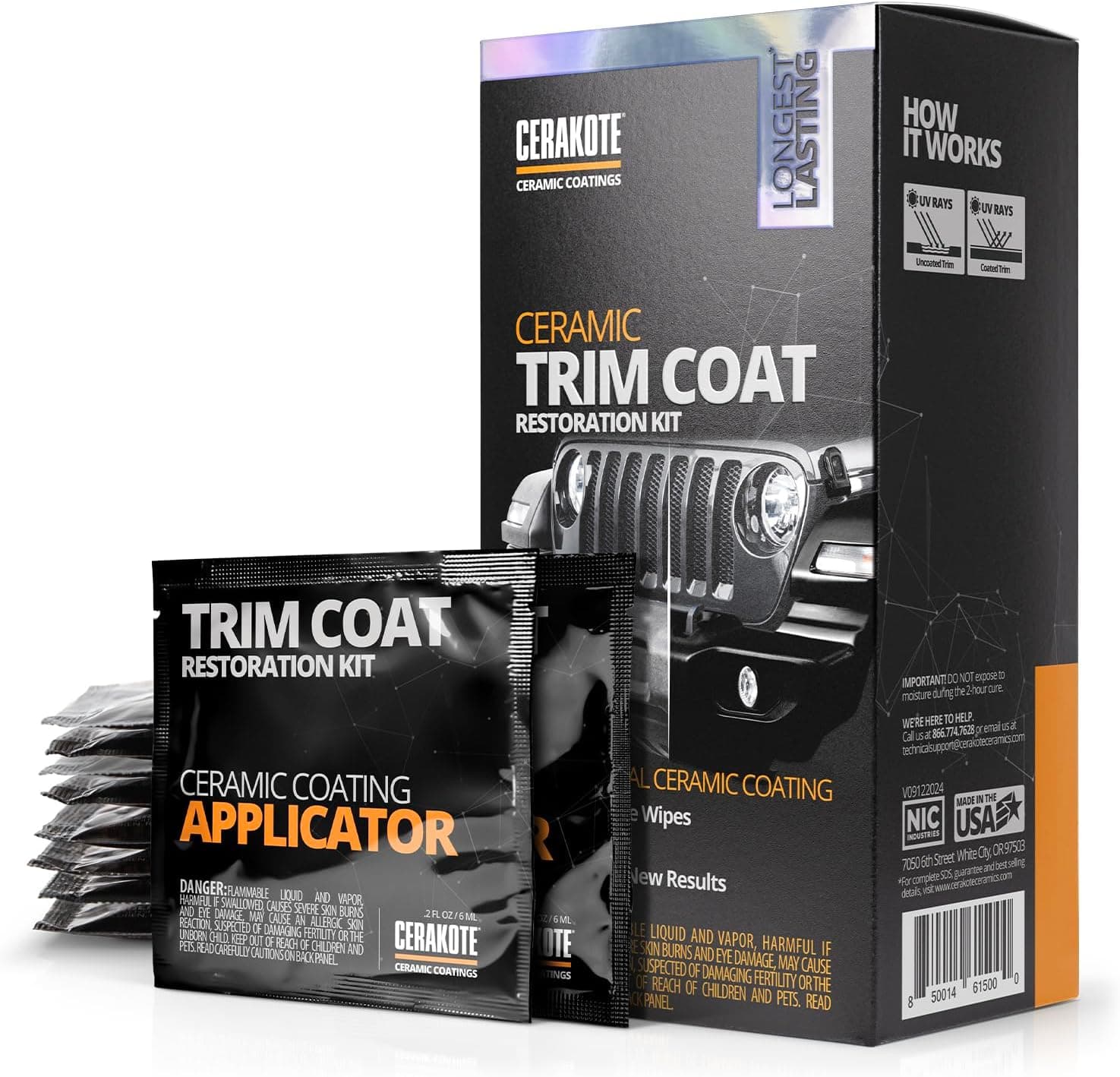
Once clean, choose your restoration approach. Dedicated trim restorer products chemically darken and protect the plastic, ranging from temporary dressings that need frequent reapplication to more durable, coating-style restorers that bond for many months. Apply them thinly and evenly with an applicator or microfiber, working into the texture, then wipe off any excess so it does not become sticky or streaky. Let it cure as directed.
For the most lasting results, a trim-specific coating or a solvent-based restorer that penetrates the plastic outperforms simple dressings, which sit on the surface and wash away within weeks. Some enthusiasts even use gentle heat with a heat gun on lightly faded trim to temporarily draw the natural oils back to the surface, though this is a short-lived fix and easy to overdo, so a proper restorer is generally safer and more durable.
Whichever product you choose, maintenance is the key to keeping trim black. Reapply your chosen dressing or restorer on schedule, keep the trim clean, and avoid letting wax dry on it. Restored and protected trim resists the sun far better and stays a rich, even black. It is one of the highest-impact, lowest-cost details you can address, instantly making a car look years newer for very little effort.
Products from this article
The highest-scoring picks from the buying guides mentioned above. Scores are our editorial assessment, not customer ratings.
+ 200+ Washes rating suggests far longer life than dressings
From our guide: Best Plastic Trim Restorers for Faded Exterior Trim
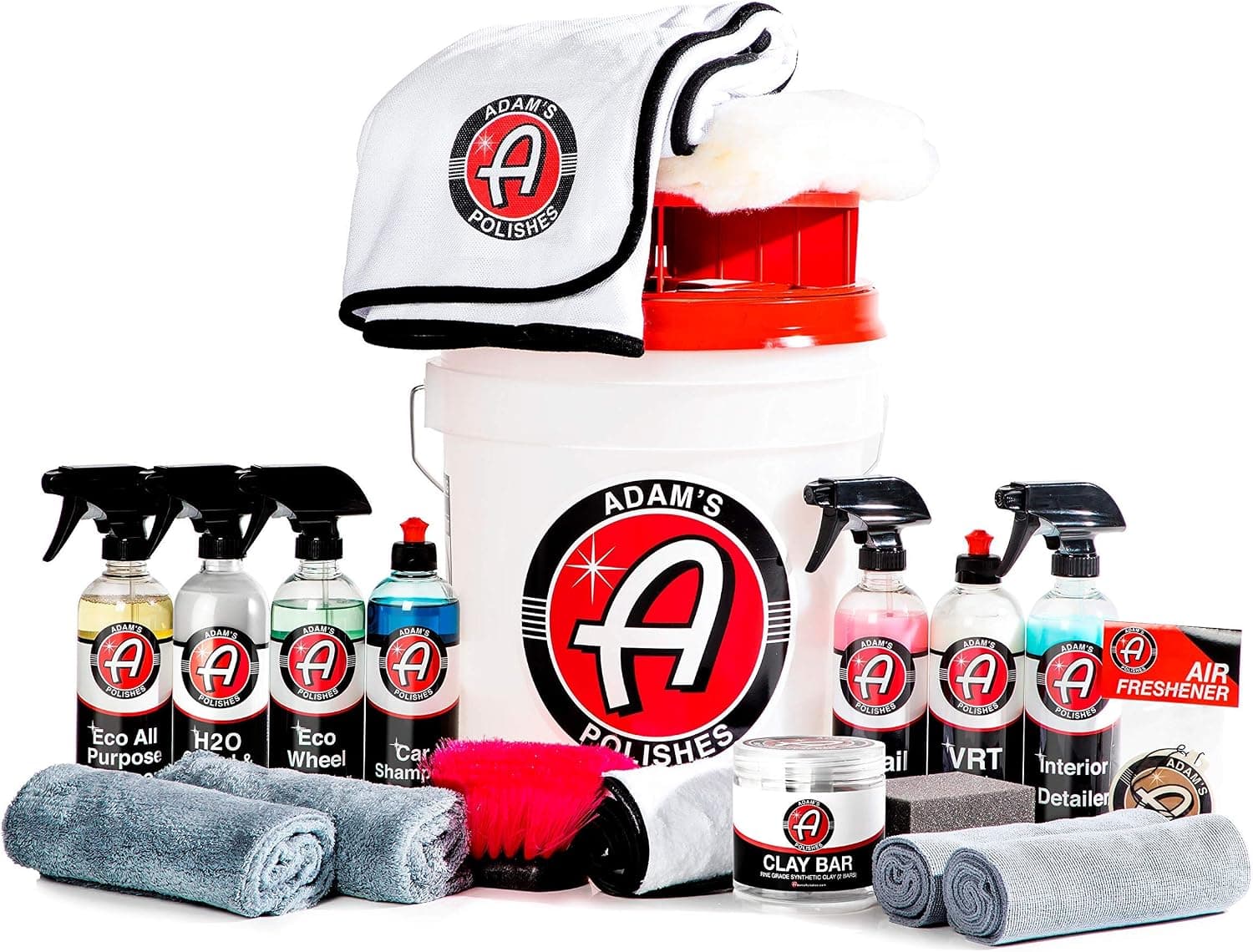
+ Complete kit includes wash, dry, protection and interior care
From our guide: Best Car Detailing Kits for Beginners
+ Big and little sizes cover wide barrels and narrow spoke gaps
From our guide: Best Wheel and Tire Cleaners
+ Dye-based formula brings deeply faded plastic back to black
From our guide: Best Plastic Trim Restorers for Faded Exterior Trim
Popular right now
- Best Finishing Polishes for Maximum Gloss and ClarityBuying guide
- Best Spray Ceramic CoatingsBuying guide
- Cleaning Car Carpets and Fabric UpholsteryArticle
- Best Cutting Compounds for Removing Deep ScratchesBuying guide
- Best Car Scratch RemoversBuying guide
- Interior Detailing Step by StepArticle
Based on the last 28 days of search and visitor data.