Cleaning Car Carpets and Fabric Upholstery
Published How we research
Car carpets and cloth seats take a beating, absorbing spilled drinks, tracked-in mud, food crumbs, and the general grime of daily use. Unlike hard surfaces you can simply wipe, fabric holds dirt and odor deep in its fibers, which is why it needs a proper cleaning method rather than a quick spray and wipe. Done right, even sad, stained upholstery can look and smell remarkably fresh again.
Start, as always, with a thorough vacuum. Remove the mats, push seats forward and back, and vacuum every surface, using a crevice tool for seams and a brush attachment to loosen ground-in debris. For carpet with matted, embedded dirt, agitate the fibers with a stiff brush first to lift the debris up where the vacuum can grab it. Getting out as much dry soil as possible before introducing any liquid makes the wet cleaning far more effective.
Pretreat stains before general cleaning. Identify what you are dealing with, since different stains respond to different approaches, then apply a fabric or carpet cleaner to the spot and let it dwell. Blot stains with a clean cloth from the outside in rather than scrubbing, which spreads them and can damage the fibers. Patience with pretreatment lifts far more than aggressive scrubbing, and it avoids driving the stain deeper.
For overall cleaning, work a fabric cleaner into the carpet or seats with a soft brush, agitating gently to lift the suspended dirt, then extract or blot it away with clean microfibers. The most important discipline here is to avoid over-wetting. Fabric that gets soaked takes forever to dry, and trapped moisture in the padding beneath breeds mildew and musty odors. Use the minimum liquid needed and blot up as much as you can.
A machine makes a big difference on heavily soiled interiors. A hot water extractor, sometimes called a carpet extractor, sprays cleaning solution and immediately vacuums it back up along with the dislodged dirt, which both cleans deeply and removes most of the moisture. If you do not own one, a wet-dry vacuum can extract rinse water from carpets after cleaning, dramatically speeding drying and pulling out more grime than blotting alone.
Odors often live in the fabric and need addressing directly. Cleaning removes much of the source, but for lingering smells an enzyme-based cleaner breaks down organic residue like spilled milk or pet accidents rather than just masking it. Avoid simply dumping fragrance on top of a dirty interior, which produces a strange mix rather than genuine freshness. Clean first, treat odor at its source, then add scent if desired.
Drying is the final and most neglected step. Leave doors or windows open, run the fans, and if possible let the car sit in a warm, ventilated spot until the fabric is fully dry to the touch deep down. Point a fan into the cabin to speed things along. Rushing a damp interior back into service is how mildew smells develop, so give the upholstery time to dry completely and it will stay fresh far longer.
Products from this article
The highest-scoring picks from the buying guides mentioned above. Scores are our editorial assessment, not customer ratings.
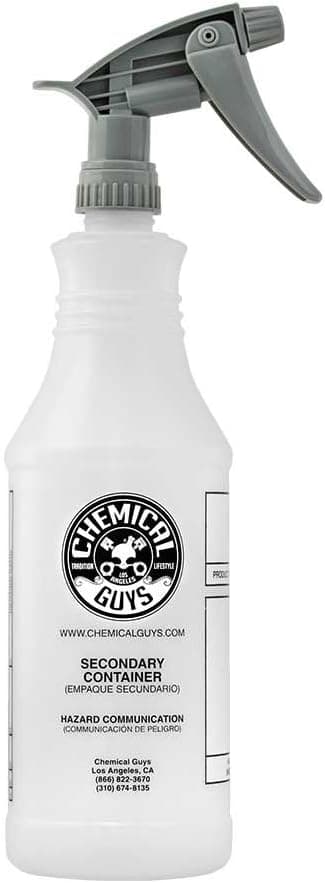
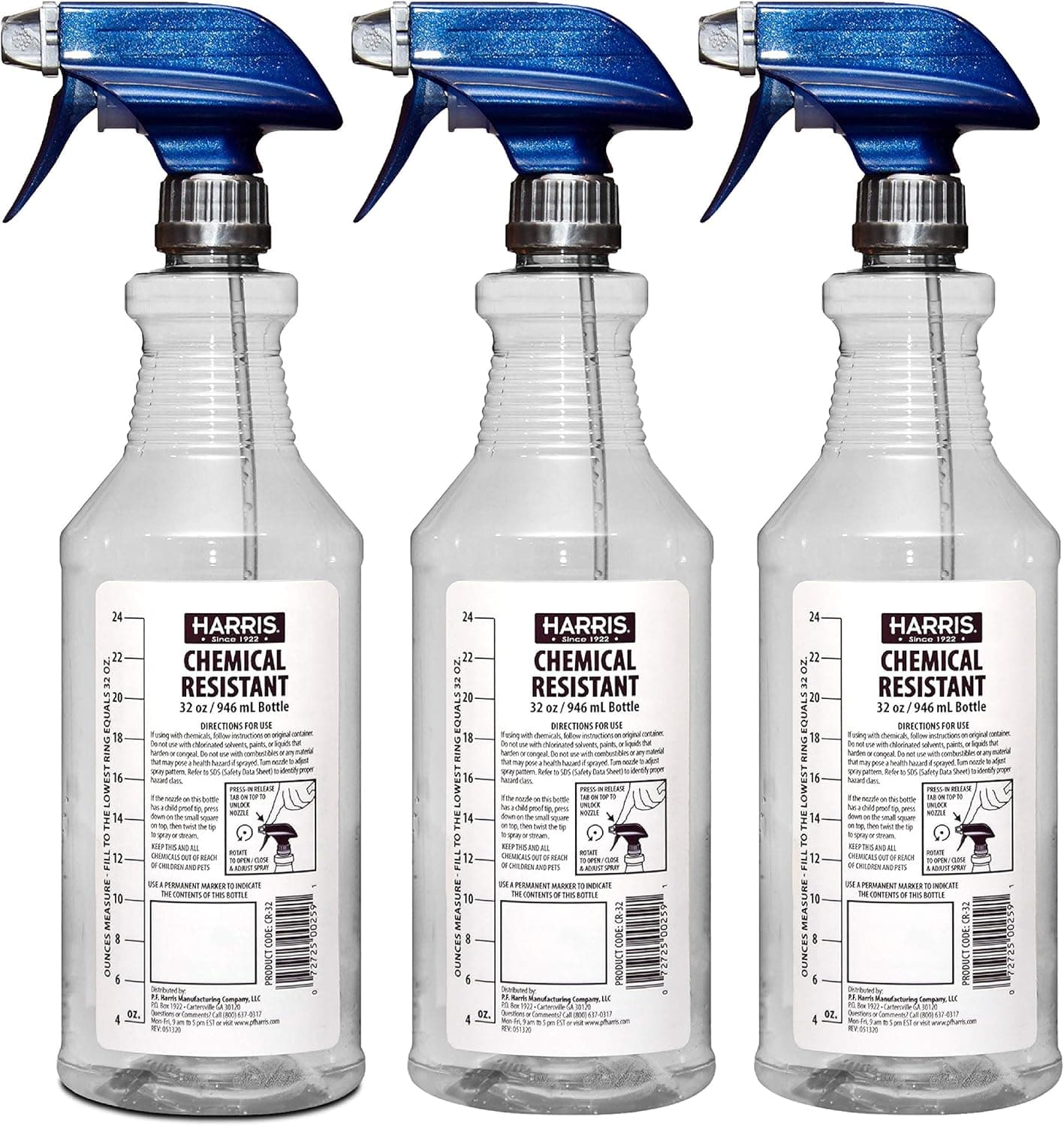
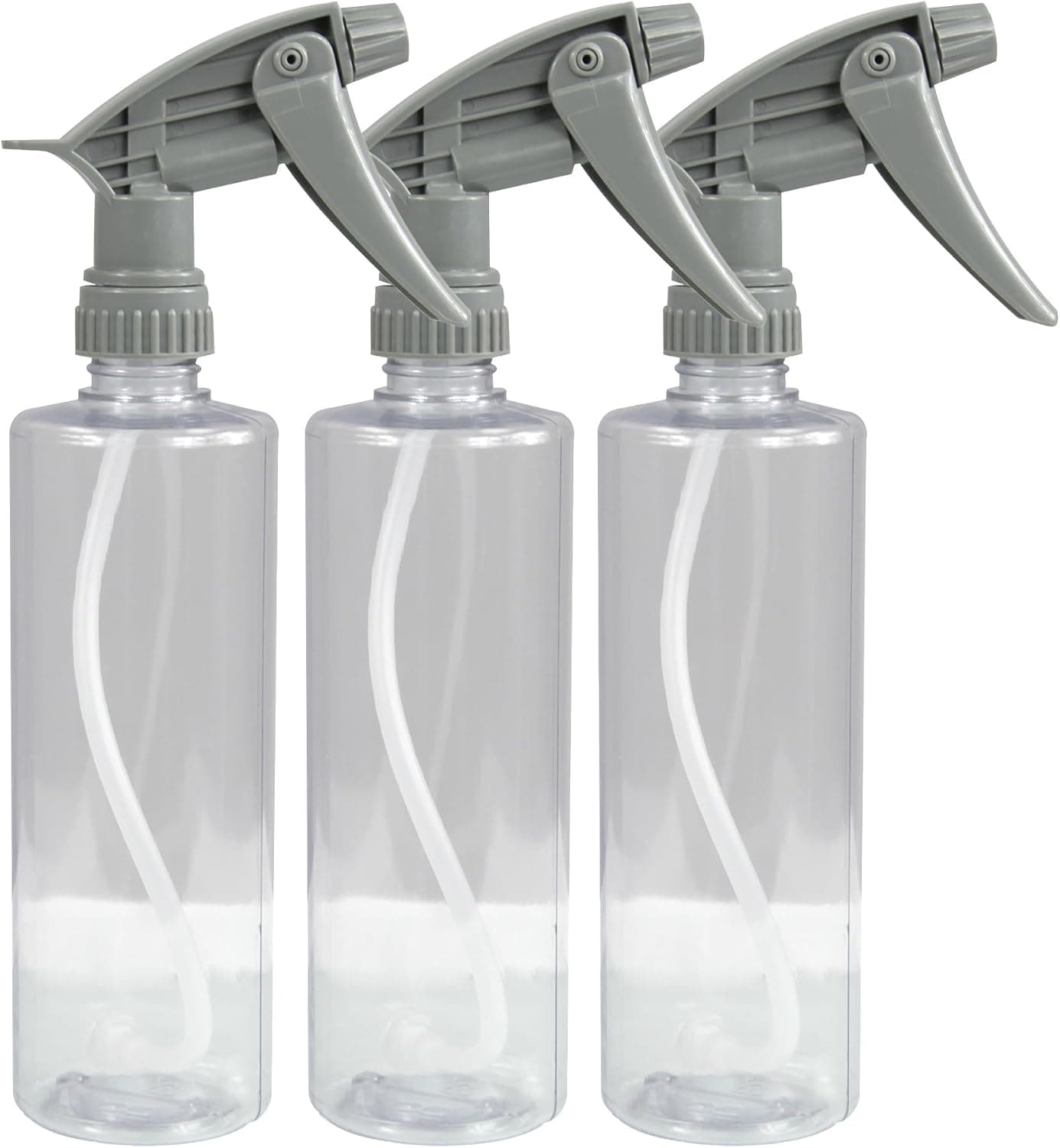
+ 3-Pack lets you set up separate bottles for APC, glass and interior
From our guide: Best Detailing Spray Bottles
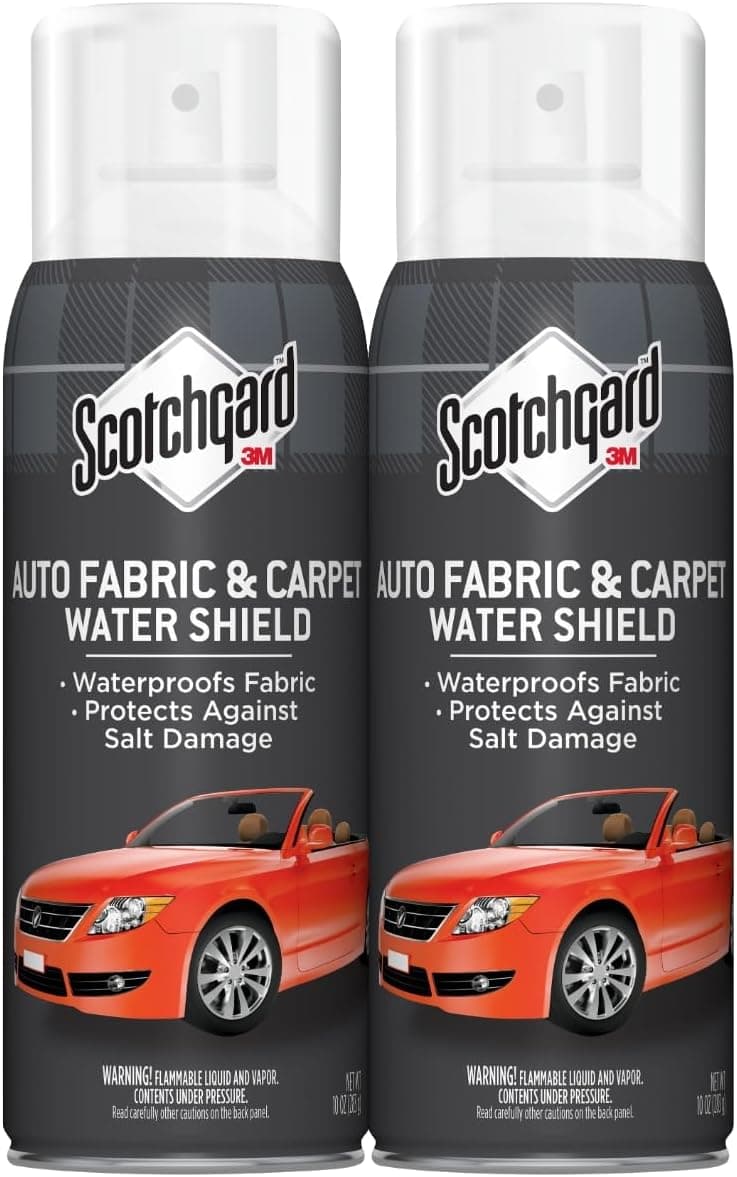
+ Two 10 oz Cans cover seats and carpets in larger vehicles
From our guide: Best Fabric and Carpet Protectors
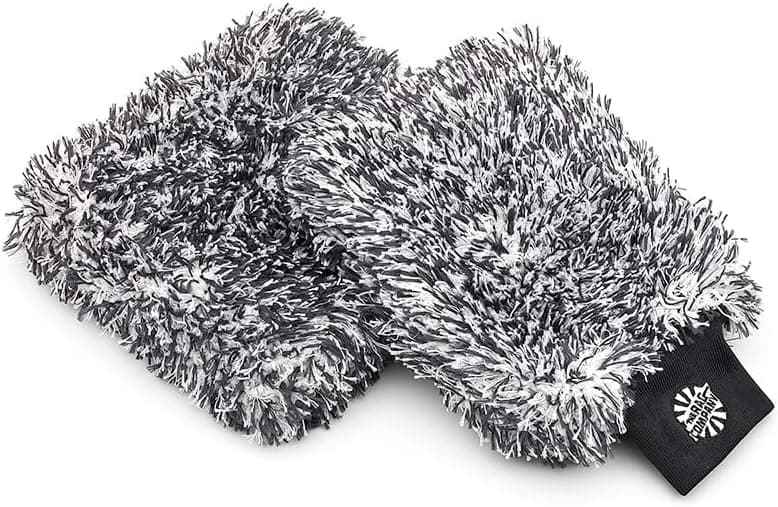
+ Mix of mitt and pad lets you choose grip or flat pressure for different panels
From our guide: Best Microfiber Wash Pads
+ Viton seal resists solvents that damage cheaper sprayers
From our guide: Best Detailing Spray Bottles
Popular right now
- Best Finishing Polishes for Maximum Gloss and ClarityBuying guide
- Best Spray Ceramic CoatingsBuying guide
- Best Cutting Compounds for Removing Deep ScratchesBuying guide
- Best Car Scratch RemoversBuying guide
- Interior Detailing Step by StepArticle
- Best Cordless Car PolishersBuying guide
Based on the last 28 days of search and visitor data.