Cleaning and Conditioning Leather Car Seats
Published How we research
Leather seats add a sense of luxury to a car, but they need care or they dry out, crack, and fade. Body oils, sweat, denim dye, and sunlight all work against leather over time. The good news is that a simple, regular routine of gentle cleaning followed by conditioning keeps leather supple and looking rich for the life of the car, and it takes only a little time each month.
First know what kind of leather you have. Most modern car seats are coated or finished leather, meaning they have a protective pigmented topcoat that makes them relatively durable and easy to clean. Some higher-end or older cars use unfinished or aniline leather, which is softer and far more absorbent and demands gentler products. When in doubt, treat leather as delicate and always test any product in a hidden area first.
Begin by vacuuming the seats, using a soft brush attachment and a crevice tool to pull grit out of the seams and perforations. Grit is abrasive and grinds into leather as you sit, so removing it first prevents you from rubbing it deeper during cleaning. Pay special attention to the seams and the bolsters, where dirt and body oils concentrate most heavily.
Clean with a dedicated pH-balanced leather cleaner, never harsh all-purpose cleaners, degreasers, or household wipes that can strip the finish and dry the leather. Spray the cleaner onto a soft brush or microfiber rather than soaking the seat, then agitate gently to lift the grime. On perforated leather be careful not to force liquid or foam into the holes, since trapped cleaner behind the perforations can cause problems. Wipe away the loosened dirt with a clean, damp microfiber.
Work one section at a time and do not over-wet the leather. The goal is to lift oils and soiling from the surface, not to saturate it. A soft horsehair brush is ideal for textured or grained leather because it works cleaner into the grain without being abrasive. For stubborn spots like ground-in denim dye on light seats, repeat gentle passes rather than scrubbing hard, which can wear the finish.
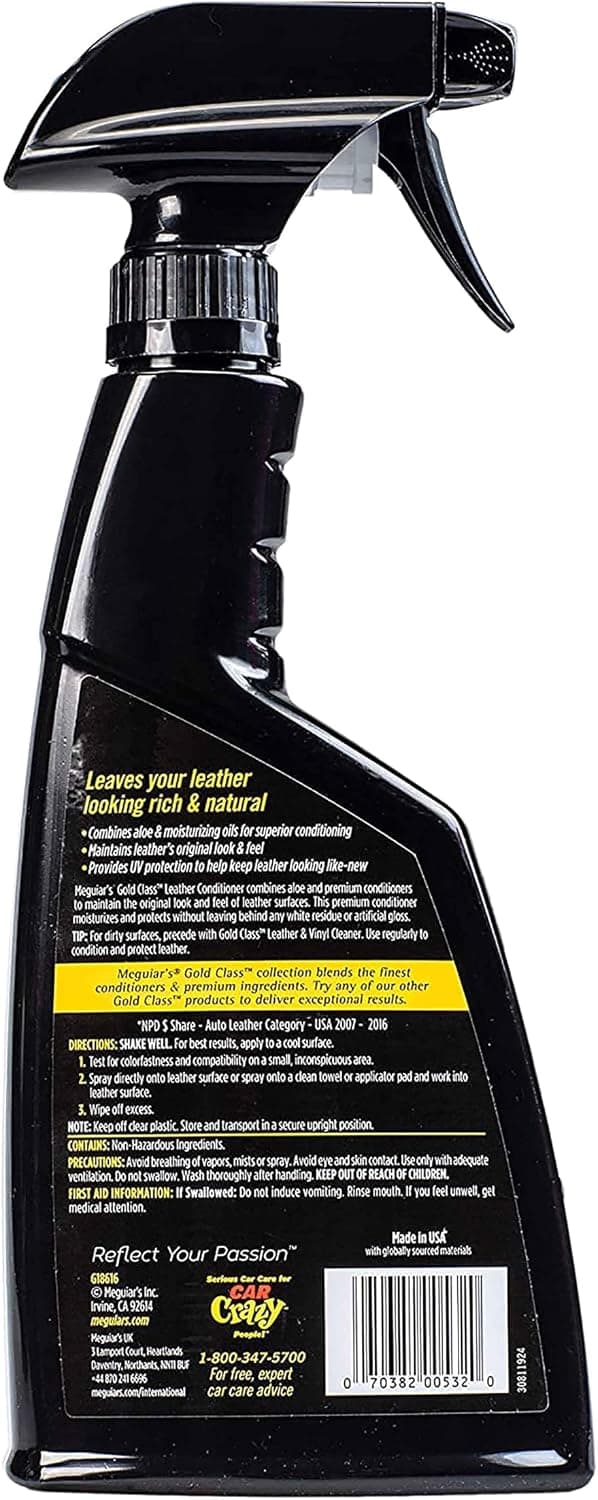
Once the leather is clean and dry, condition it. A quality leather conditioner replenishes the oils and keeps the material flexible, preventing the cracking that comes from drying out, especially on seats exposed to sun. Apply a thin, even layer with a microfiber, let it absorb for the time the product recommends, then buff off any excess. Avoid greasy, high-gloss dressings that leave seats slippery and unnaturally shiny.
How often you treat leather depends on use and climate. A monthly light clean and a conditioning every one to three months suits most cars, more often for vehicles that bake in strong sun. Consistency beats intensity. Keep up a gentle routine, protect the seats from prolonged direct sunlight where you can, and your leather will stay soft, comfortable, and free of the cracks and shine loss that plague neglected interiors.
Products from this article
The highest-scoring picks from the buying guides mentioned above. Scores are our editorial assessment, not customer ratings.
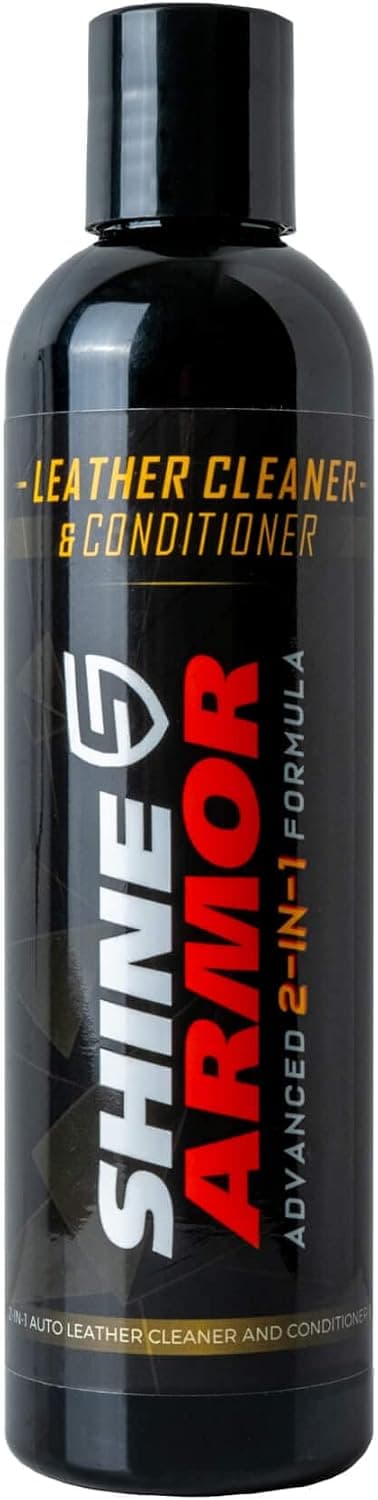
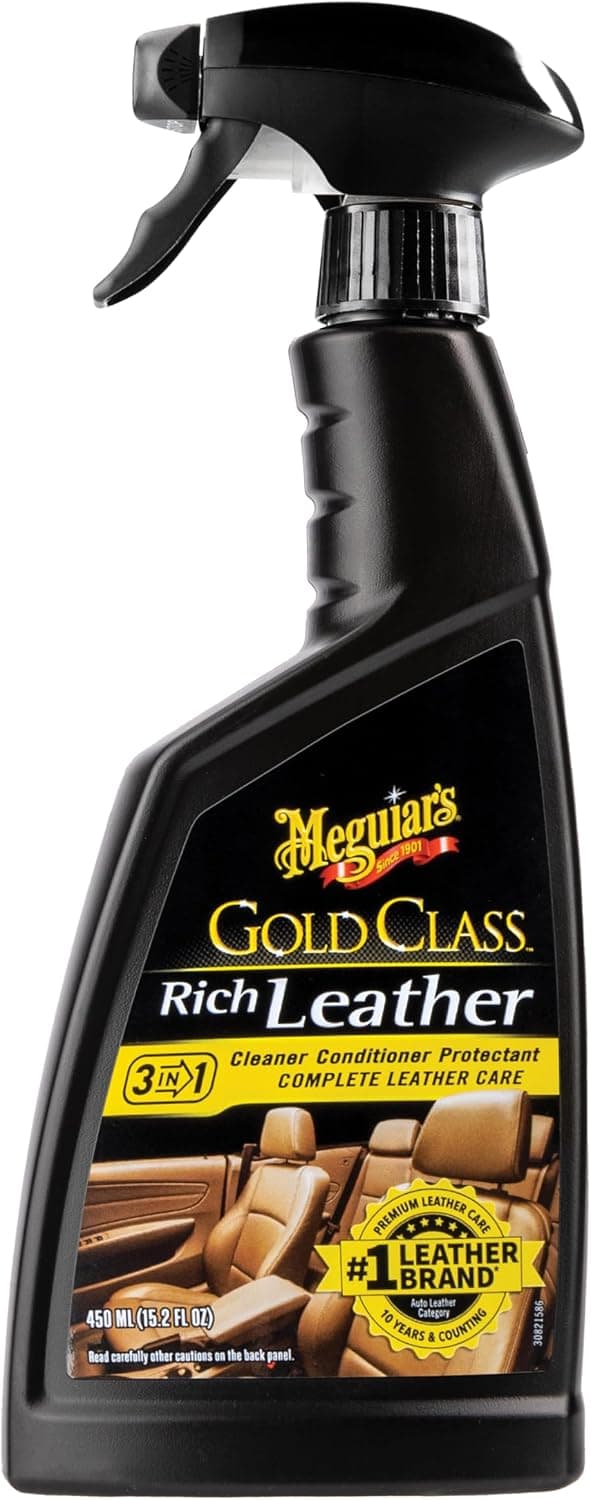
+ 3-in-1 spray cleans, conditions and protects in one pass
From our guide: Best Leather Cleaners and Conditioners for Car Seats
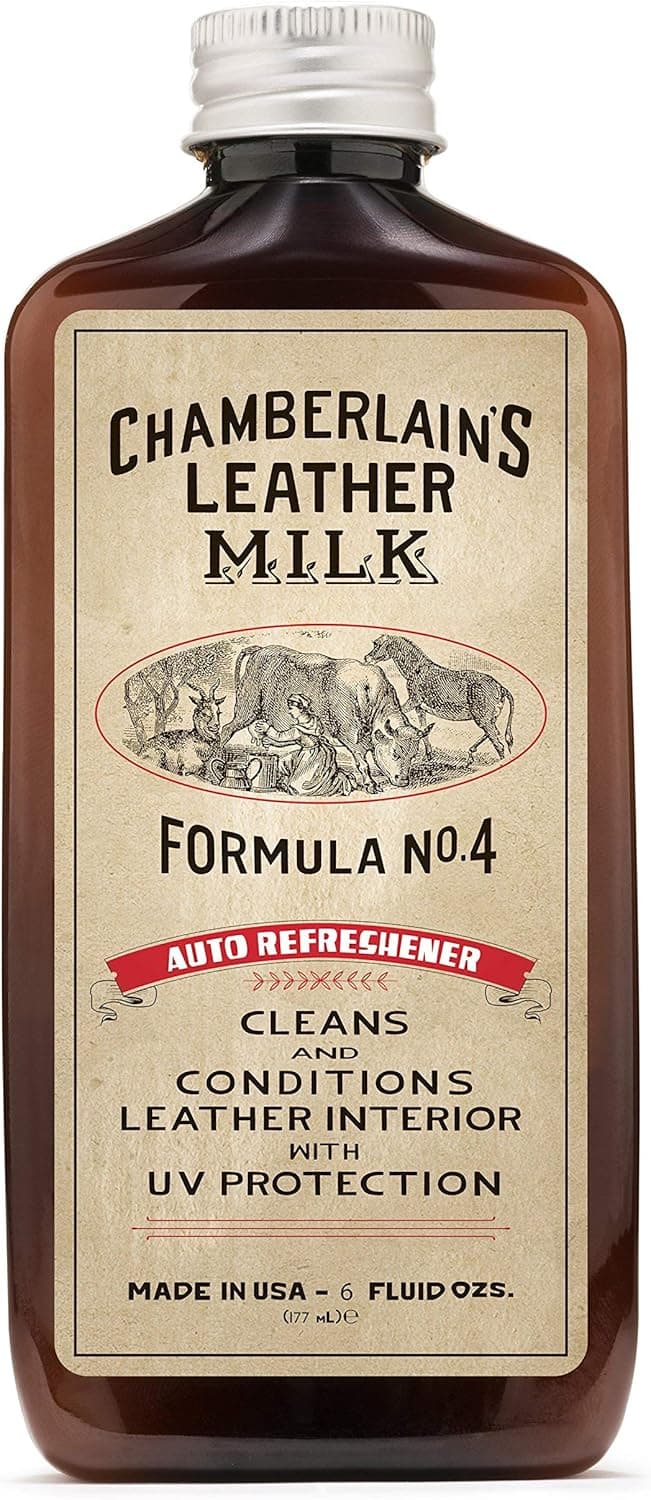
+ UV protection helps slow fading on leather near sunny windows
From our guide: Best Leather Cleaners and Conditioners for Car Seats
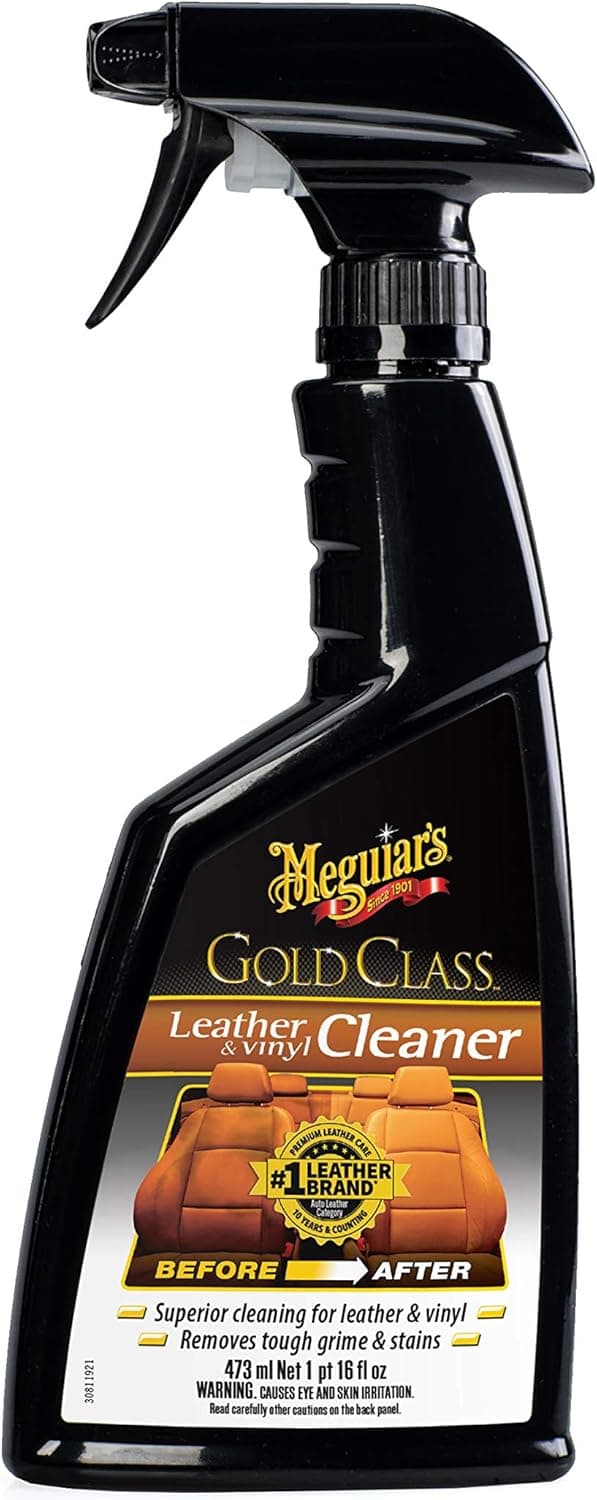
+ Safe on both leather and vinyl, covering seats and door panels
From our guide: Best Leather Cleaners and Conditioners for Car Seats
+ Conditioner spray keeps leather supple after cleaning
From our guide: Best Leather Cleaners and Conditioners for Car Seats
Popular right now
- Best Finishing Polishes for Maximum Gloss and ClarityBuying guide
- Best Spray Ceramic CoatingsBuying guide
- Cleaning Car Carpets and Fabric UpholsteryArticle
- Best Cutting Compounds for Removing Deep ScratchesBuying guide
- Best Car Scratch RemoversBuying guide
- Interior Detailing Step by StepArticle
Based on the last 28 days of search and visitor data.