Cordless vs Corded Car Polishers
As an Amazon Associate I earn from qualifying purchases.
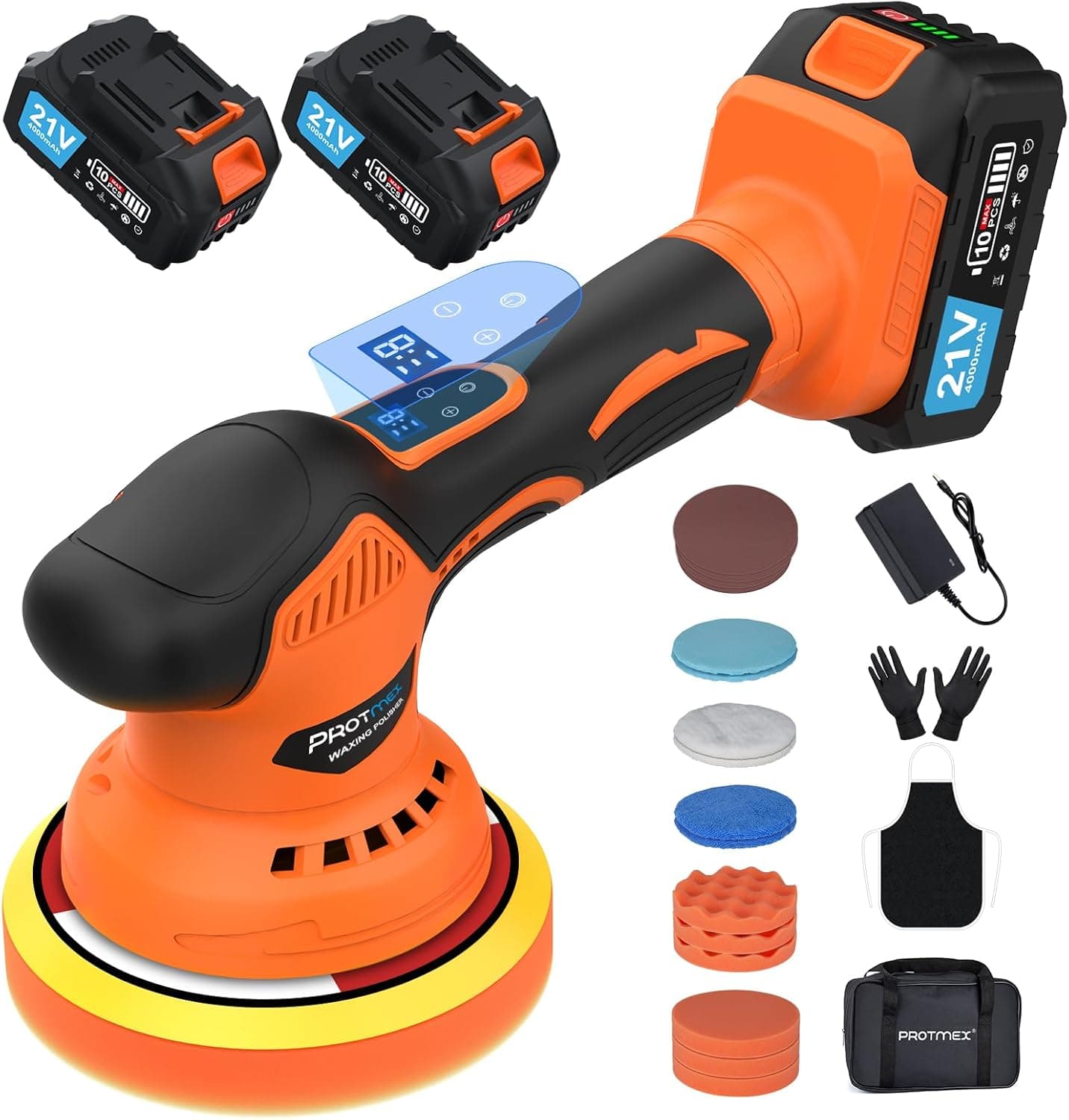
Choosing between a cordless and a corded car polisher is one of the first decisions a home detailer faces. Each type has real strengths: cordless models offer freedom of movement, while corded machines deliver constant power. This guide compares them across the factors that matter most, from runtime and weight to correction ability, so you can pick the polisher that fits how you actually work.
Power and Consistency Under Load
Corded polishers draw continuous power from the wall, so they maintain steady speed even when you press into a stubborn defect. That consistency makes them a dependable choice for heavy correction work where you do not want the machine bogging down mid-pass.
Cordless polishers have improved dramatically and many now handle serious correction, though output can taper as the battery drains. For most home projects the difference is manageable, but if you routinely tackle heavy defects, steady corded power has an edge.
Freedom of Movement and Convenience
The biggest draw of a cordless polisher is not dragging a cord around the car or hunting for outlets. You can walk around the vehicle freely, reach awkward areas, and work outdoors or in a driveway without an extension cord, which many detailers find genuinely liberating.
A trailing cord can snag on mirrors or drape across freshly polished paint, requiring constant attention. Cordless machines remove that hassle entirely, making them especially appealing for quick jobs, spot corrections, and detailers who value mobility.
Runtime, Batteries, and Downtime
Runtime is the tradeoff for cordless freedom. A battery lasts only so long, so correcting an entire car may mean swapping packs or pausing to recharge. Buying a spare battery largely solves this, letting you keep one charging while the other is in use.
Corded polishers never stop for a recharge, which is a clear advantage on long sessions like full-vehicle corrections. If you frequently work on multiple cars in a day, the uninterrupted runtime of a corded machine can save real time.
Weight, Balance, and Fatigue
Cordless polishers carry a battery on board, which adds weight and can shift the machine's balance compared to a corded unit. Over a long detailing session, extra weight in your hands contributes to fatigue, so how a machine feels matters as much as its specs.
Corded polishers are often lighter in the hand since the power source stays at the wall, but the cord itself adds a different kind of drag. Trying to picture a full session with each type helps you weigh which tradeoff you would rather live with.
Matching the Machine to Your Projects
The right choice comes down to how you detail. If you do occasional touch-ups, spot corrections, and value grabbing a tool without setup, a cordless polisher fits that lifestyle well. Its convenience often outweighs the runtime limits for lighter use.
If you take on frequent full corrections or work on many vehicles, the steady power and endless runtime of a corded machine may serve you better. Either way, checking your paint under good light before and after tells you whether your chosen tool is doing the job.