Engine Bay Cleaning Safely
Published How we research
A clean engine bay is not just about looks, though a tidy bay does make the whole car feel cared for. It also makes it far easier to spot leaks, cracked hoses, or corrosion early, and it keeps grime from accumulating into a baked-on layer that is miserable to remove later. The catch is that an engine bay is full of electronics and moving parts, so cleaning it demands more caution than cleaning paint.
Begin with the golden rule, work on a cool engine. Never spray water or cleaner onto a hot engine, because the thermal shock can crack components and the heat flashes cleaners before they can work. Let the car sit until everything is merely warm or fully cold. A slightly warm engine helps degreasers cut oil, but hot is dangerous, so err toward cool.
Protect the sensitive parts before you spray anything. Cover the alternator, any exposed electrical connectors, the engine control unit, the air intake, the battery terminals, and the fuse box with plastic bags or plastic sheeting. Modern engines are reasonably water-resistant, but you should still avoid blasting water directly into connectors and intake openings. A little foresight here prevents the misfires and gremlins that give engine bay cleaning its scary reputation.
Start dry. Use a soft brush and a vacuum or compressed air to remove loose leaves, dust, and debris from the bay and the cowl area at the base of the windshield. Getting the loose material out first means your degreaser is not just turning dry dirt into mud. Pay attention to the corners and seams where debris collects, since these hold the most grime.
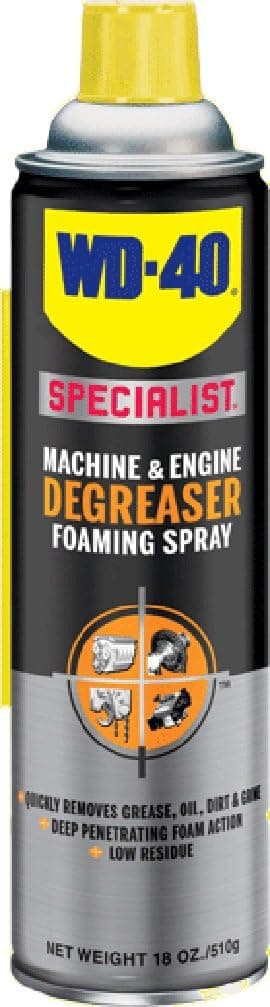
Apply a diluted all-purpose cleaner or a dedicated engine degreaser to the plastic covers, painted surfaces, and grimy areas, and let it dwell briefly without drying. Agitate with a variety of brushes, soft ones for delicate covers and stiffer detailing brushes for greasy brackets and crevices. Work in sections so nothing dries on the surface. Avoid harsh, highly caustic degreasers on painted or anodized parts where they can stain or dull the finish.
Rinse with the lightest touch possible. Use a gentle stream from a hose or, better, a pump sprayer or damp microfiber rather than a pressure washer. High pressure can force water past seals and into connectors. Wipe surfaces down with damp then dry microfibers, and use a blower or compressed air to push standing water out of crevices so nothing sits pooled around electrical parts.
Once everything is dry, remove your plastic covers and let the bay air out, ideally running the engine briefly to evaporate residual moisture. To finish, apply a water-based trim and rubber dressing to the plastic covers and hoses for a clean, low-sheen look, avoiding greasy silicone-heavy dressings near belts. Done carefully and cool, an engine bay clean is safe, satisfying, and genuinely useful for keeping tabs on your car's health.
Products from this article
The highest-scoring picks from the buying guides mentioned above. Scores are our editorial assessment, not customer ratings.
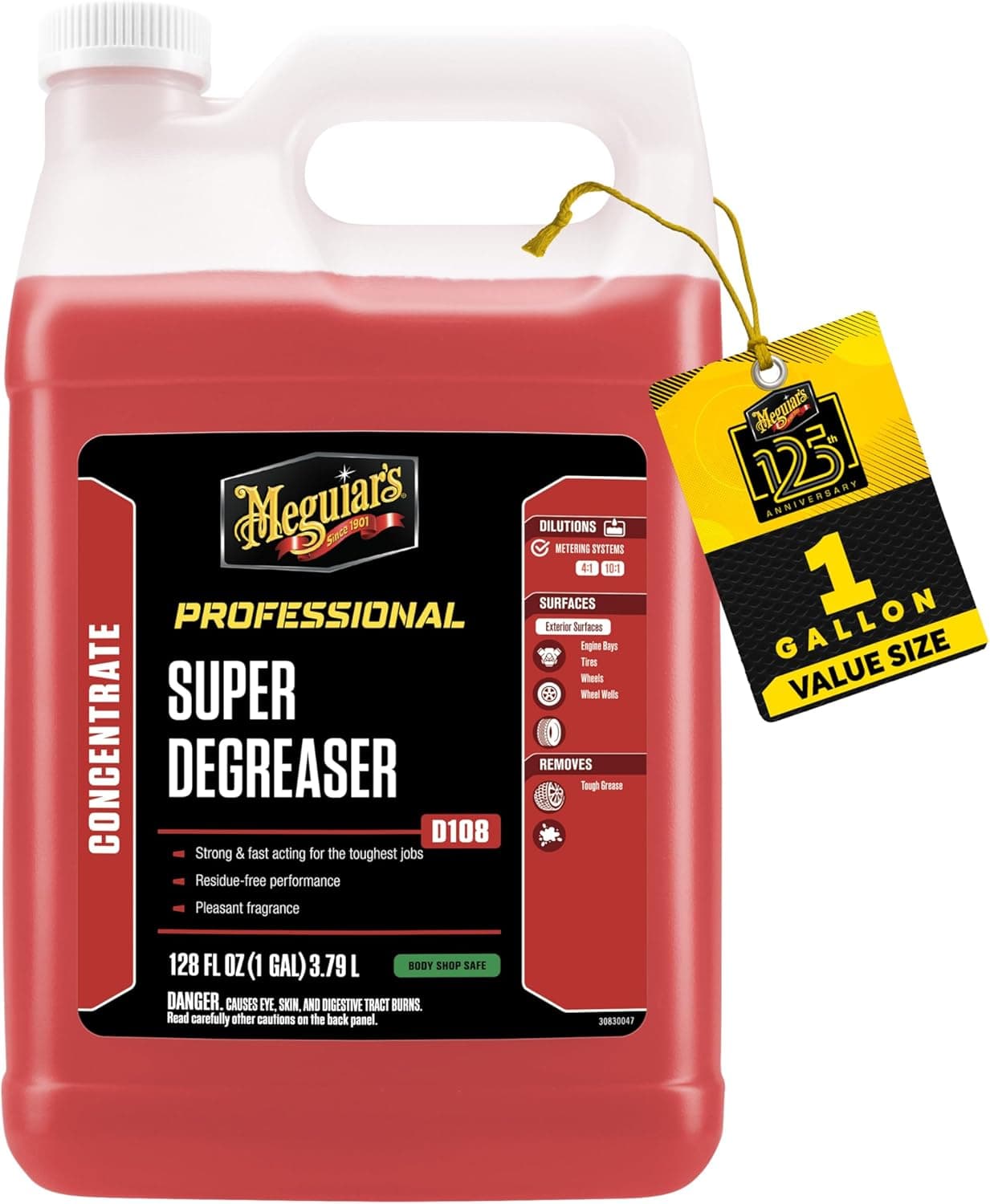
+ 1 Gallon concentrate provides many engine cleanings
From our guide: Best Engine Bay Cleaners for a Clean, Dressed Engine
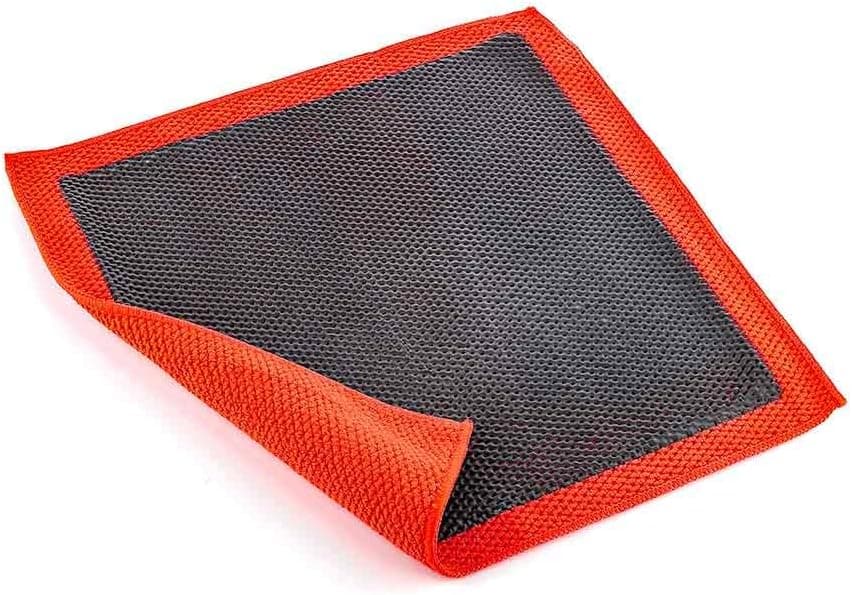
+ Fine grade clay is less likely to haze soft or dark paint
From our guide: Best Clay Mitts
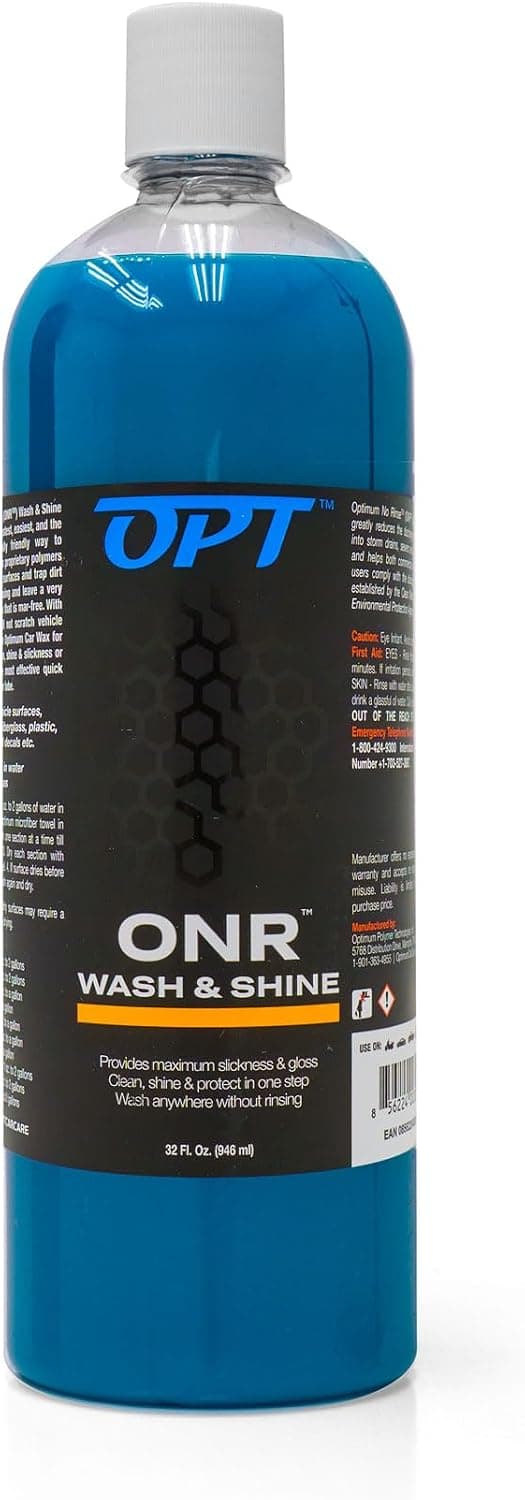
+ Concentrate dilutes into many buckets, so one bottle lasts a long time
From our guide: Best Rinseless Car Wash Solutions for Low-Water Detailing
+ Phosphate and solvent-free formula is gentler on rubber
From our guide: Best Engine Bay Cleaners for a Clean, Dressed Engine
Popular right now
- Best Finishing Polishes for Maximum Gloss and ClarityBuying guide
- Best Spray Ceramic CoatingsBuying guide
- Cleaning Car Carpets and Fabric UpholsteryArticle
- Best Cutting Compounds for Removing Deep ScratchesBuying guide
- Best Car Scratch RemoversBuying guide
- Interior Detailing Step by StepArticle
Based on the last 28 days of search and visitor data.