How to Clean Car Wheels and Tires
As an Amazon Associate I earn from qualifying purchases.
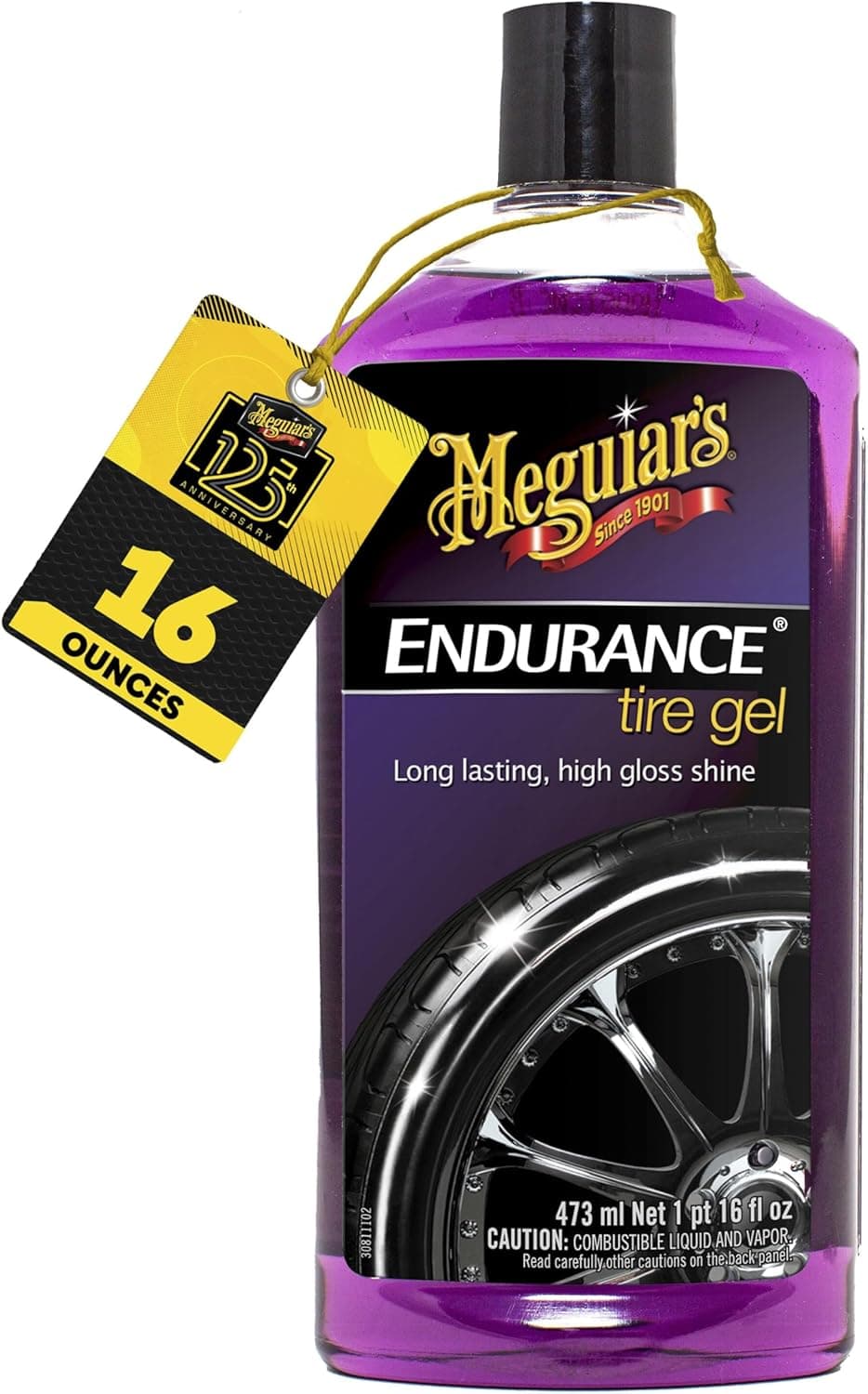
Wheels and tires collect the dirtiest grime on the whole car: brake dust, road tar, and embedded iron. Because that grime is abrasive, cleaning wheels first keeps it away from your paint. With the right cleaner, a few brushes, and a good tire dressing, you can turn dull, dusty wheels into a sharp finishing touch. Here is how to clean wheels and tires the right way.
Start With a Dedicated Wheel Cleaner
Wheels need a cleaner built to cut through brake dust and road film without harming the finish. Rinse the wheel first to remove loose grit, then apply the cleaner and let it dwell so it can break down the buildup.
Choose a formula that is safe for your wheel type, since some finishes are sensitive to strong chemicals. A good wheel cleaner does most of the work, so you scrub less and protect the coating.
Use the Right Brushes for Every Nook
Wheels have faces, spokes, barrels, and lug areas that a single tool cannot reach. A set of soft-bristle detailing brushes lets you clean the front, work into the spokes, and reach the inner barrel without scratching.
Match the brush to the job: a long, flexible brush for the barrel and smaller brushes for tight spots. Keeping these brushes separate from your paint tools avoids dragging wheel grit onto the body later.
Tackle Embedded Iron and Brake Dust
Some brake dust bonds to the wheel and does not rinse off even after scrubbing. An iron remover reacts with those embedded particles and dissolves them, often changing color as it works so you can see it lifting the contamination.
Spray it on a rinsed wheel, let it dwell, then rinse thoroughly. This step clears the fallout that plain cleaning leaves behind and leaves the wheel genuinely clean rather than just wiped down.
Dress the Tires for a Clean Finish
Clean tires look faded until you dress them. A tire shine product restores dark, rich color and can be applied for a satin or glossy look depending on your preference.
Apply it to a clean, dry tire with an applicator and wipe off any excess so it does not sling onto your paint. A light, even coat lasts longer and looks more natural than a heavy layer.
Keep a Separate Wheel Bucket
Because wheel grime is so abrasive, it should never mix with the water you use on your paint. A dedicated wheel bucket with its own grit guard keeps that contamination isolated from the rest of your wash.
Label the bucket so it is always used for wheels only. This simple habit is one of the easiest ways to protect your clear coat from the dirtiest part of the car.