How to Keep Your Car Interior Dust-Free
As an Amazon Associate I earn from qualifying purchases.
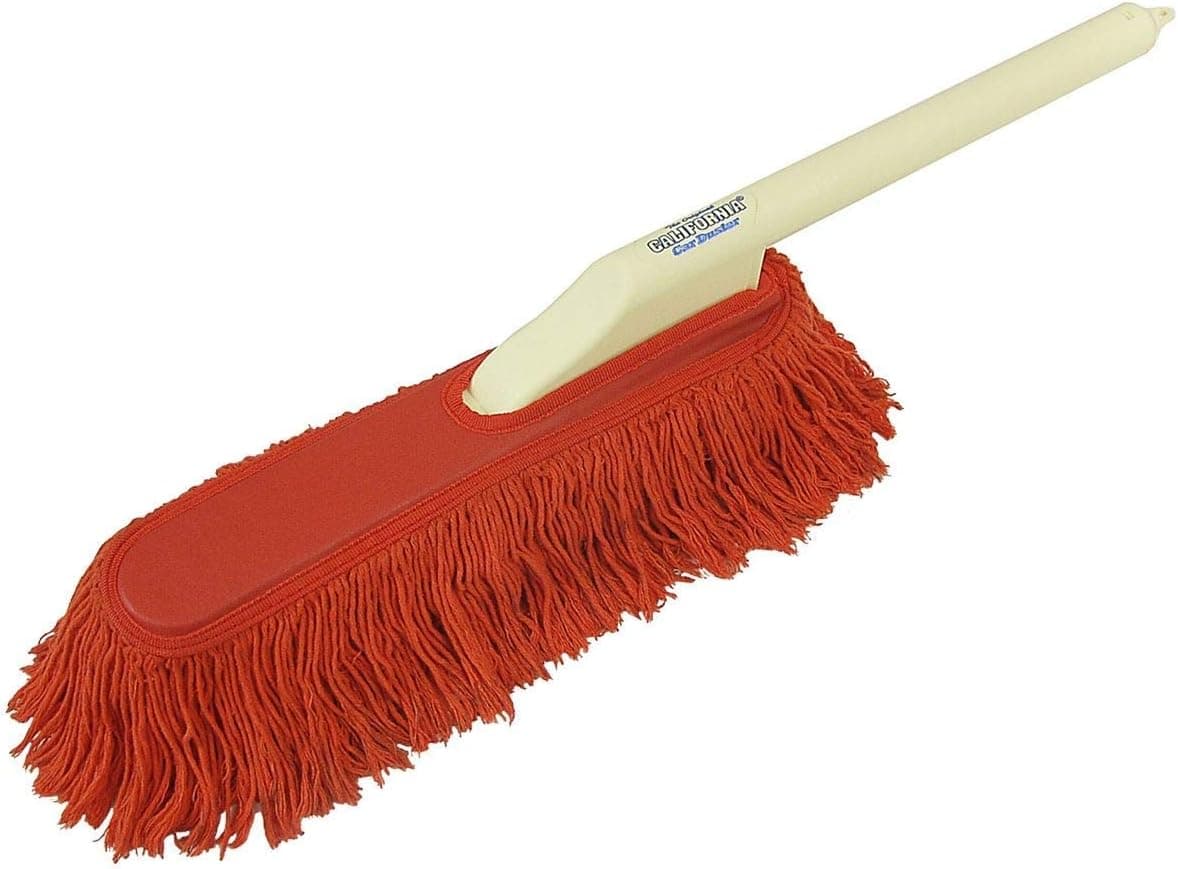
Dust settles on a car dashboard faster than almost any surface in your home, dulling the finish and making the whole cabin feel dirty. It also drifts into vents, gauges, and seams where a cloth cannot easily reach. This guide covers the tools and routines that keep interior surfaces clean, from quick daily dusting to the detailed work that removes buildup from every crevice and keeps your glass clear.
Why Dust Loves Your Dashboard
The plastics used across a car interior carry a slight static charge that actively pulls fine dust out of the air and holds it to the surface. Heat from sunlight through the windshield makes this worse, which is why the dashboard and upper door panels always seem to collect the most. Understanding this helps explain why simply wiping once in a while never keeps up.
Dust is also more than a cosmetic annoyance. When it mixes with the oils in dashboard plastics it forms a filmy haze that scatters light and creates glare on the windshield. Staying ahead of it keeps both the look of your interior and your forward visibility in better shape.
Quick Daily Dusting
The single most effective habit is a fast pass with a dedicated car duster whenever you notice buildup. A good duster lifts and traps dust rather than pushing it around or letting it float back down onto the seats. Keeping one within reach means the job takes under a minute and never piles up into a bigger chore.
Use light strokes and let the duster do the work, moving from the top surfaces downward so anything that falls lands on areas you have not cleaned yet. Finishing at the lower panels and footwells means the last places you touch stay clean instead of catching fresh fallout.
Reaching Vents, Seams, and Buttons
Dust hides in the places a duster and cloth cannot follow, such as air vent slats, the gaps around buttons, and the seams between panels. These spots need a soft detailing brush that can slip into narrow channels and sweep the debris out where you can wipe or vacuum it away.
Work methodically across the cabin, brushing vent fins one direction and running the bristles along every seam and control cluster. Pairing the brush with a vacuum nozzle held nearby catches the loosened dust immediately so it does not just resettle a few inches away.
Wiping Down Hard Surfaces Properly
After the loose dust is gone, wipe hard surfaces with a proper interior cleaner and a microfiber cloth to remove the oily film that plain dusting leaves behind. Choose a product that cleans without leaving a greasy shine, since a slick residue only attracts dust back to the surface faster.
Fold your cloth into clean sections as you go and avoid oversaturating it, because excess product pools in seams and around trim. A lightly dampened cloth lifts the film cleanly and dries quickly, leaving a natural matte finish that resists static and stays cleaner longer.
Keeping Interior Glass Dust-Free
The inside of your windshield and windows collects a thin dusty haze that becomes obvious when the sun hits it at an angle. Cleaning interior glass with a proper glass cleaner and a dedicated microfiber towel clears that film and cuts the glare that makes driving into the sun uncomfortable.
Spray the cleaner onto the cloth rather than directly onto the glass to avoid overspray drifting onto the dashboard. Wipe in overlapping strokes and finish with a dry side of the towel for a streak-free result that stays clear far longer than a quick swipe with a paper towel.