How to Protect Car Upholstery From Stains
As an Amazon Associate I earn from qualifying purchases.
Spilled coffee, muddy shoes, and melting snacks are a fact of life inside any car. Fabric upholstery soaks up liquids fast, which means a small accident can turn into a permanent mark if you are not prepared. This guide shows you how to protect cloth seats and carpets before problems happen, and how to react quickly when a spill does occur so stains never get the chance to set in.
Start With Deeply Clean Upholstery
Protection only works on a clean surface, so treat any existing dirt before you seal anything in. Vacuum thoroughly to pull grit out of the fibers, then deep clean the fabric to lift oils and old stains. Applying a protector over embedded dirt simply traps that grime and locks in the very marks you are trying to prevent.
For seats and carpets that have absorbed a lot over time, a machine that flushes and extracts moisture does a far better job than surface wiping. Pulling the dirty water back out leaves the fibers clean to their base, giving your protective treatment a fresh foundation to bond with.
Applying a Fabric and Carpet Protector
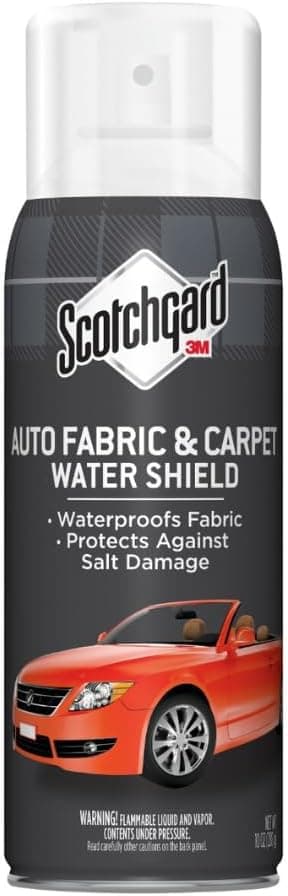
A dedicated fabric protector coats each fiber with an invisible barrier that makes liquids bead up instead of soaking in. This gives you precious seconds to blot a spill before it reaches the padding underneath. Apply it to fully dry, clean upholstery in even passes, and let it cure completely before anyone sits back down.
Most protectors need reapplication over time, especially on high-contact areas like seat cushions and the driver footwell. Plan to refresh the coating a couple of times a year, or sooner if you notice water no longer beads the way it did when the treatment was new.
Building Good Habits Inside the Car
The easiest stain to remove is the one that never lands. Keep a small kit of interior cleaning supplies in the trunk so you can wipe up messes the moment they happen rather than waiting until you get home. Simple habits like using spill-proof cups and shaking off wet shoes go a long way toward keeping fabric clean.
Having the right products on hand also encourages regular light maintenance instead of rare deep cleans. A quick weekly wipe of the seats and console keeps everyday grime from accumulating, which means your fabric protector has less to fight against and lasts noticeably longer.
Treating Spills the Right Way
When a spill happens, blot rather than rub. Rubbing pushes liquid deeper into the weave and spreads the stain outward. Press a clean, absorbent cloth straight down to draw the liquid up, and keep switching to dry sections of the cloth until no more transfers. This alone stops most fresh spills from becoming stains.
For messes trapped in textured fabric or seams, work a cleaner into the fibers with a soft brush using gentle circular motions. Agitating the fabric lifts the residue out of the weave so your cloth can carry it away, and it reaches into folds where a flat wipe simply glides over the top.
Preventing Lingering Odors After Spills
Even a well-blotted spill can leave moisture behind, and trapped dampness in seat padding is where musty smells begin. After treating a stain, help the area dry fully by cracking the windows or running the fan, and avoid layering protector over fabric that still feels damp underneath.
If a spill involved something like milk or a sugary drink, follow up with an odor treatment once the fabric is dry to neutralize anything that seeped past the surface. Handling the smell early keeps a minor accident from turning into a persistent problem you notice every time you get in.