How to Protect Your Wheels and Glass
As an Amazon Associate I earn from qualifying purchases.
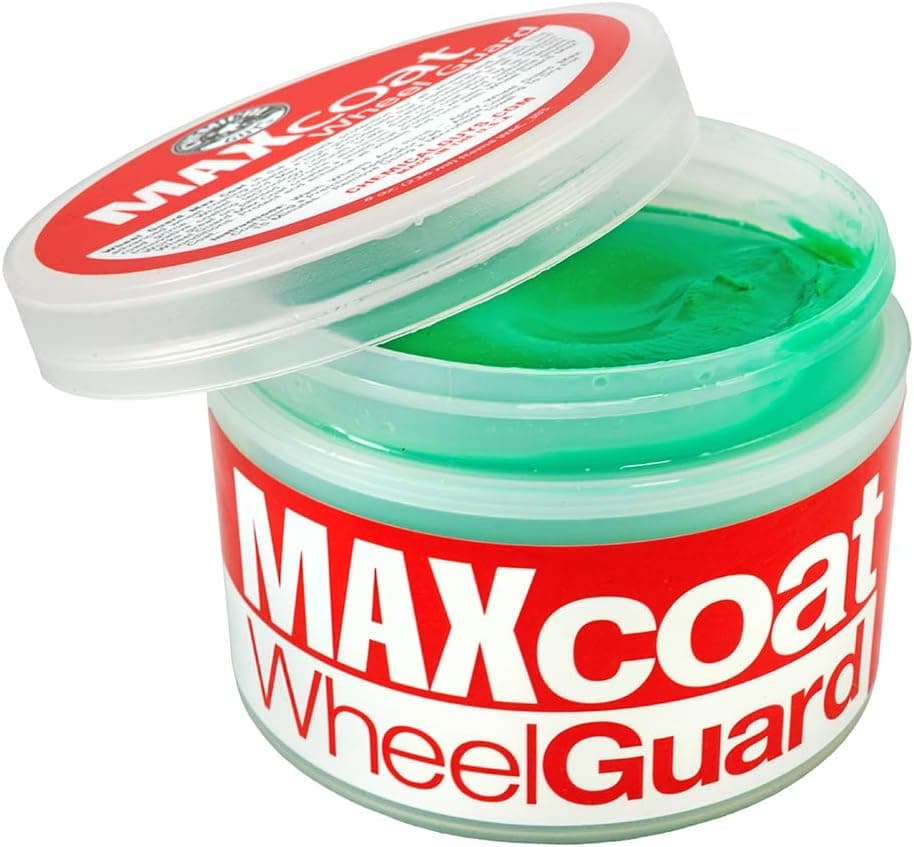
Wheels and glass take a beating from brake dust, road grime, and weather, yet they are often the last surfaces detailers protect. Sealing them pays off in easier cleaning and safer driving: coated wheels shed brake dust, and treated glass sheds rain for clearer visibility. This guide walks through cleaning, decontaminating, and sealing both surfaces so they stay cleaner and perform better between washes.
Start With Thoroughly Clean Wheels
Any wheel protection only bonds properly to a clean surface, so start by removing built-up brake dust and grime. Brake dust bakes onto wheels under heat, so a dedicated wheel cleaning session is worth the effort before you think about sealing.
Getting into the barrels and around spokes takes the right brushes and patience, but skipping it means your sealant bonds to grime instead of the wheel. A truly clean starting point is what makes the protection step actually last.
Removing Embedded Iron From Wheels
Brake systems shed iron particles that embed into wheel faces and paint, and normal cleaning will not lift them. An iron remover chemically dissolves these particles, often turning purple as it reacts, and rinses them away without scrubbing.
Treating wheels with an iron remover before sealing leaves a genuinely decontaminated surface for your protection to bond to. It also helps prevent the orange staining that embedded iron can cause over time on both wheels and paint.
Sealing Wheels So Brake Dust Rinses Off
Once wheels are clean and decontaminated, a wheel sealant creates a slick barrier that stops brake dust and grime from bonding tightly. On sealed wheels, most buildup rinses away with a light spray instead of demanding heavy scrubbing.
Beyond easier cleaning, sealing adds a layer of heat and chemical resistance that helps wheels stay looking fresh longer. It is a small step that dramatically cuts the effort of keeping wheels clean week to week.
Prepping Glass for a Water Repellent
Glass repellents bond best to a truly clean, decontaminated surface, so wash the glass and clay it to remove bonded deposits first. Water spots and film left behind will keep a repellent from adhering evenly, so thorough prep is essential.
Take the time to clean both the outside and the edges where grime collects. A clean, smooth glass surface lets the repellent form an even layer, which is what produces that clear, beading effect in the rain.
Applying Glass Repellent for Clear Vision
A windshield water repellent makes rain bead up and sheet away as you drive, improving visibility in bad weather and reducing your reliance on wipers. Applied to a clean windshield, it can noticeably improve how you see the road when it rains.
Apply the repellent in even strokes and buff off the excess so you are left with a clear, streak-free coating. Refreshing it periodically keeps the beading strong, making it one of the most practical protection steps for everyday driving.