How to Remove Odors From Your Car
As an Amazon Associate I earn from qualifying purchases.
A bad smell can ruin an otherwise clean car, and masking it with an air freshener only hides the problem for a day or two. Real odor removal means finding the source, cleaning it out, and treating the surfaces where smells hide. This guide walks you through tracking down the cause, deep cleaning fabric and carpet, neutralizing what remains, and protecting your interior so odors do not return.
Find the Source of the Smell
Odor removal starts with detective work, because you cannot treat a smell you have not located. Check the usual suspects first: forgotten food under the seats, damp floor mats, spills soaked into the carpet, and moisture trapped in the padding. Trace strong smells to their origin before you reach for any product.
A general odor treatment helps once you have cleaned the source, but applying it blindly over an untouched smell only buys a little time. Confirm what you are dealing with, whether it is smoke, mildew, or a spill, so you can match your cleaning approach to the actual problem.
Deep Clean Fabric and Upholstery
Soft surfaces absorb and hold odors more than any other part of the cabin. Steam cleaning penetrates fabric seats, headliners, and vents with heat that loosens trapped grime and helps clear the smells baked into the material, all without soaking everything in cleaning solution.
Work section by section and let the heat lift the residue before wiping it away. Because steam relies mostly on temperature rather than harsh chemicals, it is well suited to the delicate fabrics inside a car and reaches into the vents and crevices where odor-causing buildup tends to settle.
Extract Odors Trapped in Carpet
When a smell lives in the carpet or floor mats, surface cleaning is not enough because the odor sits deep in the fibers and padding. A carpet extractor sprays cleaning solution into the material and then vacuums the dirty liquid back out, pulling the source of the smell out with it.
This flush-and-extract process is especially effective for spills that soaked in and dried, since it lifts residue from the base of the carpet rather than just the top. Make a few passes and remove as much moisture as possible so nothing is left behind to start smelling again.
Neutralize and Freshen the Cabin
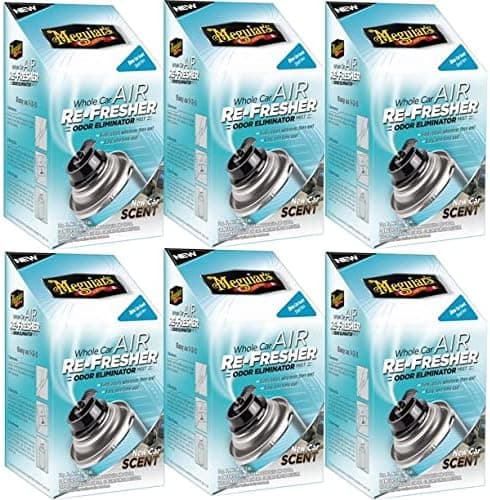
Once the sources are cleaned, treat the whole cabin to neutralize any lingering scent molecules rather than covering them up. A proper odor eliminator targets the smell itself, and treating the air along with the surfaces gives you a genuinely fresh result instead of a fragrance fighting a bad smell underneath.
Do not forget the ventilation system, since odors circulate through the vents every time the fan runs. Treating the air paths as part of the process helps ensure the fresh result you achieve on the surfaces actually lasts once you close the doors and drive.
Prevent Odors From Returning
The best way to stay odor-free is to stop smells from taking hold in the first place. Treating your seats and carpets with a fabric protector makes future spills bead up so you can blot them before they soak into the padding, which is where most stubborn smells begin.
Combine that protection with simple habits like drying wet mats, removing trash promptly, and airing the cabin out after damp days. A protected interior is far easier to keep fresh, turning odor control into quick maintenance rather than a recurring deep-cleaning project.