How to Use a Clay Mitt
As an Amazon Associate I earn from qualifying purchases.
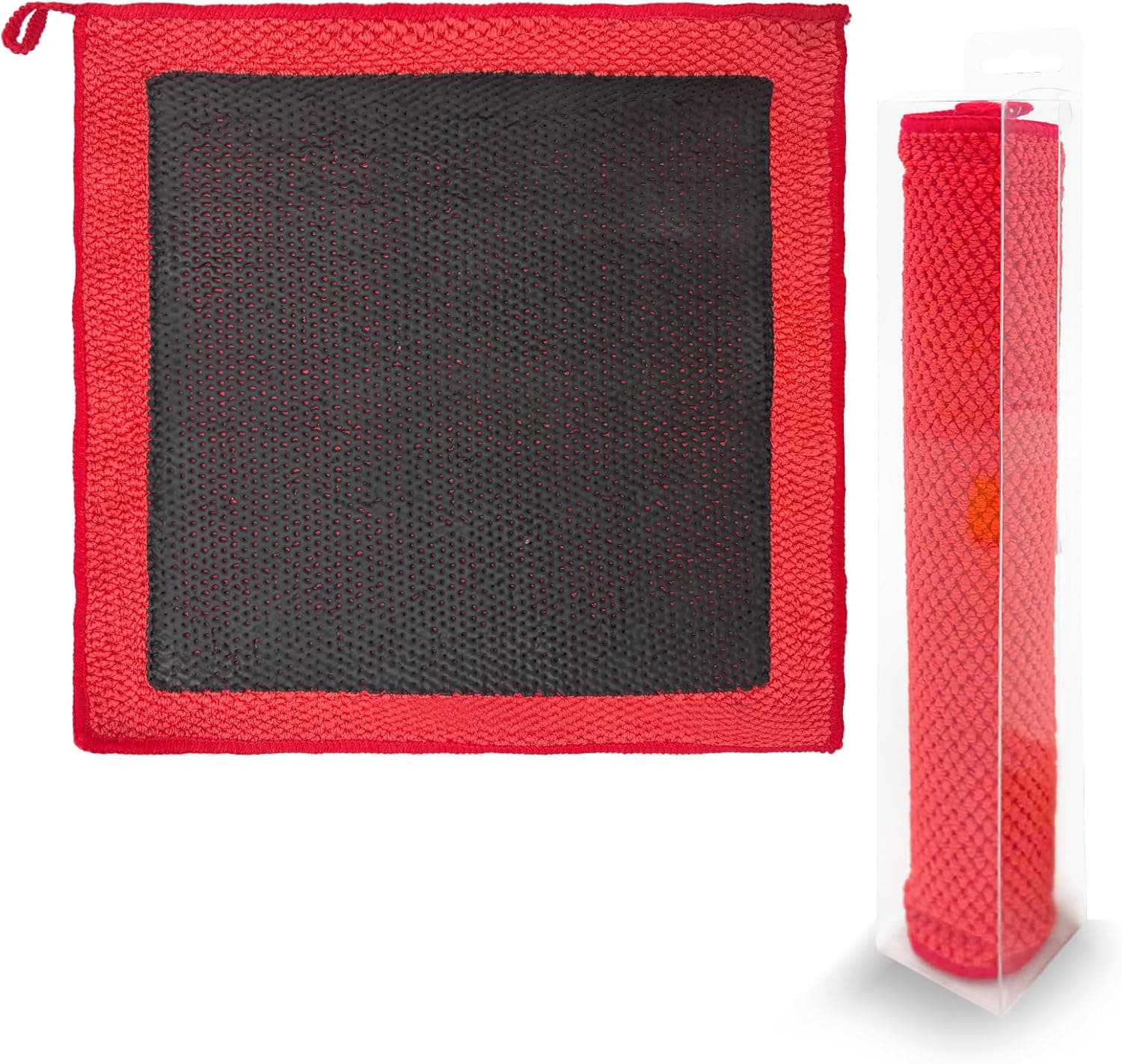
A clay mitt is one of the fastest ways to pull bonded contaminants out of your car's paint and leave it glassy smooth. Unlike a traditional clay bar, a mitt covers more surface at once and can be rinsed if dropped. This guide explains how to use one correctly, from washing and lubrication to technique, so you decontaminate without adding marring.
Why Claying Comes Before Waxing or Polishing
Even a freshly washed car carries bonded contaminants like industrial fallout and road grime that soap cannot remove. Run your hand over clean paint and you may feel a rough texture; that roughness is what a clay mitt removes, leaving a slick surface.
Skipping decontamination means sealing those contaminants under your wax or dragging them around during polishing. Claying first gives you a truly clean canvas, which is why it belongs early in any serious detailing routine.
Washing the Car Before You Start
A clay mitt should never touch dirty paint, because loose dirt trapped against the mitt will scratch the surface. Begin with a thorough wash to remove as much grime as possible, then keep the panel wet or well lubricated as you work.
Working panel by panel helps you keep each section clean and slick. Rewash or rinse any area that has dried out or picked up fresh dust before you glide the mitt across it, and your results will stay marring-free.
Lubrication Is Not Optional
A clay mitt only works safely when it glides on a generous layer of lubricant. Spray the panel and the mitt liberally so there is always a slick barrier between the clay surface and the paint, preventing the mitt from grabbing and marring.
If you feel the mitt starting to stick or drag, that is your signal to add more lubrication immediately. Plenty of slickness lets the clay surface shear off contaminants cleanly without applying pressure that could scratch the finish.
Using the Right Technique and Pressure
Glide the mitt back and forth in straight lines using light, even pressure rather than circles or scrubbing. Let the clay surface do the work as it grabs and releases contaminants, and periodically feel the paint to check whether it has turned smooth.
Keep the mitt clean by rinsing it if it picks up heavy grime, and inspect the paint under good light to confirm your progress. Straight-line motion also makes any stray marring easier to spot and correct later.
Sealing the Bare Paint Afterward
Claying leaves the paint clean but also strips away any protection, so the surface is left bare and vulnerable. Follow up promptly with a wax, sealant, or polish so the fresh finish is not exposed to the elements.
This is the ideal moment to apply protection because the paint is at its smoothest and cleanest. If you plan to polish, do it now while the surface is decontaminated, then seal your work to lock in the results.