How to Wash a Car in Winter
Published How we research

Winter is when washing matters most, because road salt and de-icing chemicals corrode paint chips, brake parts, and especially the underbody. Prioritise rinsing the underbody, wheel wells, and rockers over a spotless top coat. Wash above freezing on a day the car can dry before an overnight freeze, use lukewarm not hot water, dry the door jambs and shuts so they do not freeze shut, and keep a durable sealant or coating on the paint so salt rinses off with less contact. Many drivers stop washing their cars in winter, assuming it is pointless when the roads are dirty and the car will be filthy again by morning. In reality winter is when washing matters most. Road salt and de-icing chemicals are highly corrosive, and left on the car they attack paint chips, brake components, and especially the underbody. A regular winter wash is one of the best things you can do to prevent long-term rust.
In winter, salt removal beats gloss
The priority in winter shifts from gloss to salt removal, and the underbody becomes the star of the show. Salt accumulates in wheel wells, along rockers, under the floor, and around suspension and brake parts where you never see it. Rinsing the underbody thoroughly is arguably more important than a spotless top coat, because that hidden salt is what quietly eats a car over the years. Use an underbody rinse attachment or angle your hose up into the wells and beneath the sills.
Timing and temperature
Timing and temperature take some planning. Wash when temperatures are above freezing if at all possible, and choose a day when the car will have time to dry before an overnight freeze. Water left in door shuts, locks, and seals can freeze and jam things shut or damage rubber. If you must wash near freezing, work quickly and dry the crevices with a blower or towel so water does not linger and freeze.
Use warm, not hot, water
Use warm, not hot, water if you can, and never blast very hot water onto ice-cold glass, since the sudden thermal shock can crack a windshield. Lukewarm water helps loosen grime and keeps your hands functional, but let extremes even out rather than shocking cold surfaces. The two-bucket method still applies, because winter grime is gritty and abrasive, exactly the sort that causes scratches if you get careless.
Protect against freezing after the wash
Protect against freezing after the wash. Dry door jambs, the hood and trunk shuts, and around the fuel door so they do not freeze closed. A light application of a rubber-safe protectant on door and trunk seals keeps them from sticking and freezing to the body, a small step that saves you from tearing weatherstripping on a frozen morning. Treat locks with a suitable lock lubricant if they tend to freeze.
Why protection pays off in winter
Protection pays off enormously in winter. A durable sealant or ceramic coating applied before the season makes salty grime rinse away with far less contact, which means fewer scratches and less time standing in the cold. Coated paint sheds slush and salt spray better and gives the corrosive chemicals less to cling to. Reapplying a spray sealant every few weeks through winter keeps that barrier fresh.
Do not neglect the wheels and arches
Do not neglect the wheels and arches, where salt and brake dust combine into an especially corrosive paste. Clean them each wash and consider a wheel sealant. Winter washing is less about a showroom shine and more about defense, protecting the metal, seals, and mechanical parts from months of salt. Keep it regular, prioritize the underbody, and dry the crevices, and your car will emerge from winter in far better shape.
Frequently asked questions
Should I wash my car in winter? Yes, regularly. Road salt left on the car quietly corrodes the underbody, brake components, and paint chips over the years, and a winter wash is one of the best rust-prevention steps you can take.
What is the most important part to wash in winter? The underbody: wheel wells, rockers, and the area around suspension and brake parts, where salt accumulates out of sight and does the most damage.
Can I wash my car when it is below freezing? It is risky. Water in door shuts, locks, and seals can freeze and jam things. If you must, work fast, use lukewarm water, and dry every crevice with a blower or towel.
Will hot water crack my windshield in winter? Very hot water on ice-cold glass can cause thermal shock and crack it. Use lukewarm water and let temperature extremes even out.
Products from this article
The highest-scoring picks from the buying guides mentioned above. Scores are our editorial assessment, not customer ratings.
+ Chenille fingers pull dirt away from the paint surface
From our guide: Best Car Wash Mitts
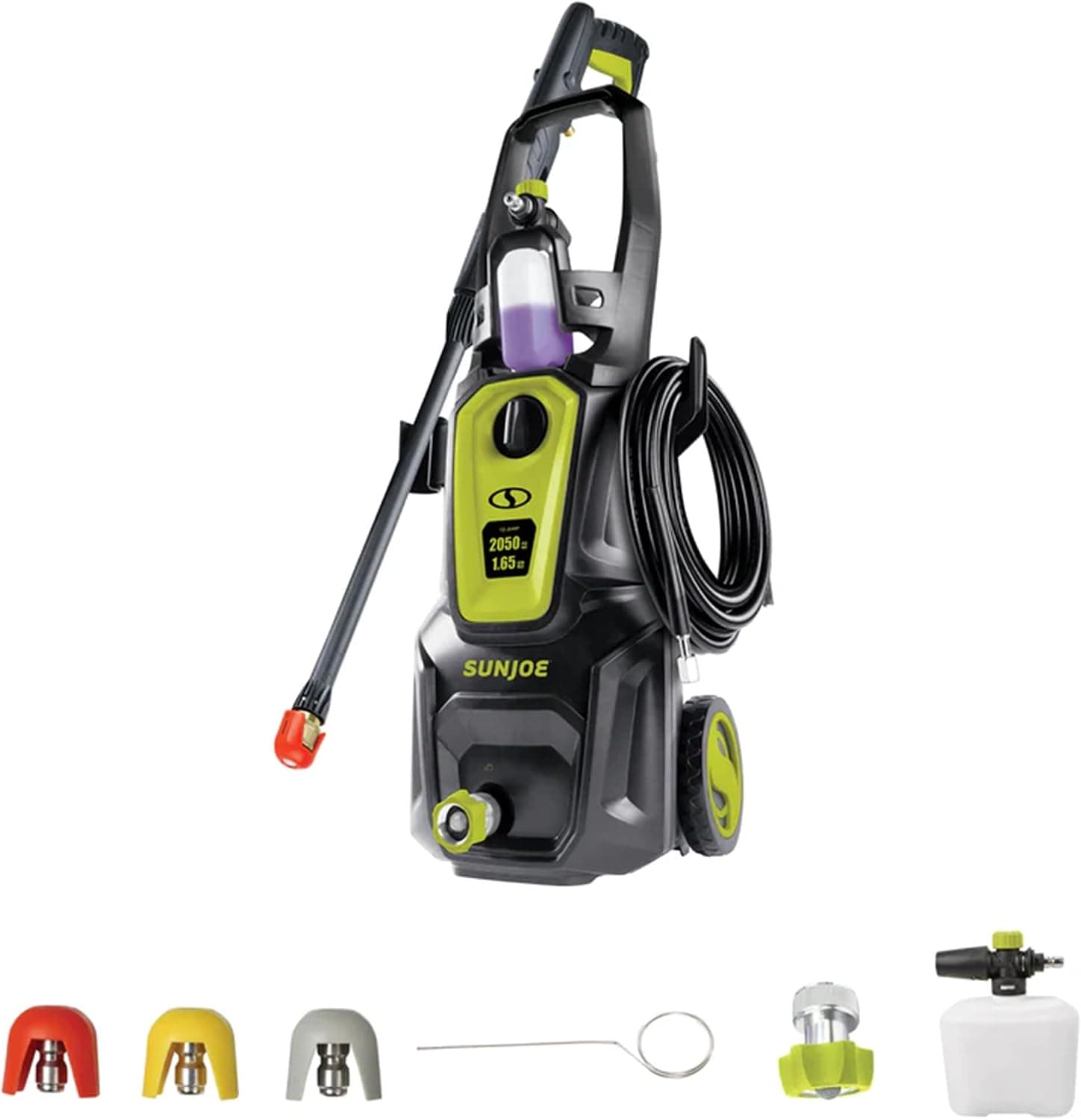
+ Dual soap tanks let you switch between car soap and another cleaner
From our guide: Best Pressure Washers for Cars
+ Included foam cannon lets you snow foam right out of the box
From our guide: Best Pressure Washers for Cars
+ Detachable foam cannon is ready for snow foam pre-washing
From our guide: Best Pressure Washers for Cars


Popular right now
- Best Finishing Polishes for Maximum Gloss and ClarityBuying guide
- Best Spray Ceramic CoatingsBuying guide
- Cleaning Car Carpets and Fabric UpholsteryArticle
- Best Cutting Compounds for Removing Deep ScratchesBuying guide
- Best Car Scratch RemoversBuying guide
- Interior Detailing Step by StepArticle
Based on the last 28 days of search and visitor data.