Iron Fallout Removers Explained
Published How we research
Iron fallout removers chemically dissolve the microscopic ferrous particles from brake and rail dust that bond to paint and wheels and that washing and clay struggle with; they bleed purple as they react. Spray onto cool, pre-rinsed wheels or panel by panel on washed paint, let it dwell without drying, and rinse thoroughly in a well-ventilated area. Use it as a periodic deep clean a couple of times a year, and reprotect afterward because it strips wax and sealant too. If your paint still feels gritty after a thorough wash, or your wheels have a stubborn dirty cast that will not scrub off, embedded iron is often the culprit. Iron fallout removers are one of the more dramatic products in detailing, chemically dissolving tiny metal particles that soap and clay struggle with. Watching them react and bleed purple is memorable, but understanding what they do keeps you using them safely.
What iron fallout actually is
Iron fallout is made up of microscopic ferrous particles from brake dust, railway dust, and industrial pollution that land on the car and bond to the surface. Because they are metallic, they begin to rust and etch into the paint and wheels over time, which is why neglected surfaces develop orange freckles and a rough texture. Ordinary washing cannot remove them because they are chemically bonded and partly embedded.
How an iron remover works chemically
An iron remover works chemically rather than mechanically. It contains compounds that react with the iron particles, dissolving them into a soluble form that rinses away with water. The signature color change, where the product turns deep purple or red as it contacts iron, is that chemical reaction happening in real time. More color means more iron is being dissolved and lifted from the surface.
Using it on wheels and on paint
Wheels are the most common place to use an iron remover, since brake dust makes them the heaviest source of ferrous contamination. Spray it onto cool, pre-rinsed wheels, let it dwell as it bleeds, agitate lightly if needed, and rinse thoroughly. On paint, use it as a decontamination step after washing, spraying panel by panel, letting it react without drying, and rinsing well before moving on. It pairs naturally with a clay treatment for full decontamination.
Safety and ventilation
Safety and ventilation matter with these products. Iron removers have a strong sulfurous smell and should be used in a well-ventilated area, ideally outdoors, with the surface cool and out of direct sun. Do not let the product dry on the surface, and avoid using it on bare metal, and be cautious around sensitive trim. Follow the label dwell times rather than leaving it on indefinitely, and always rinse comprehensively when finished.
A periodic deep clean, not an every-wash product
Use iron removers as a periodic deep-clean rather than a routine every-wash product. Most cars benefit from an iron decontamination a couple of times a year, or whenever the paint feels rough after washing and claying does not fully smooth it. Overusing strong chemicals unnecessarily is pointless and strips protection, so reserve them for when the contamination actually warrants it.
Reprotect after decontaminating
Because iron removers strip wax and sealant along with the contamination, plan to reprotect afterward. On decontaminated wheels, follow with a wheel sealant to slow future fallout bonding, which makes cleaning far easier. On paint, this step usually precedes polishing and coating anyway. Used correctly, iron removers restore a genuinely smooth, clean surface that clay and soap alone cannot, and they stop embedded metal from quietly damaging your finish.
Frequently asked questions
Why is my paint still rough after washing and claying? Embedded iron particles that clay cannot fully shear out. An iron fallout remover dissolves them chemically so they rinse away.
Why does iron remover turn purple? That colour change is the chemical reaction between the product and the iron particles happening in real time; more colour means more iron being lifted.
How often should I use an iron fallout remover? A couple of times a year, or whenever the paint feels rough after washing and claying does not fully smooth it. Overusing strong chemicals just strips protection.
Do I need to reapply protection after using it? Yes. Iron removers strip wax and sealant along with the contamination, so follow with a wheel sealant on wheels, or polish and coat the paint.
Products from this article
The highest-scoring picks from the buying guides mentioned above. Scores are our editorial assessment, not customer ratings.
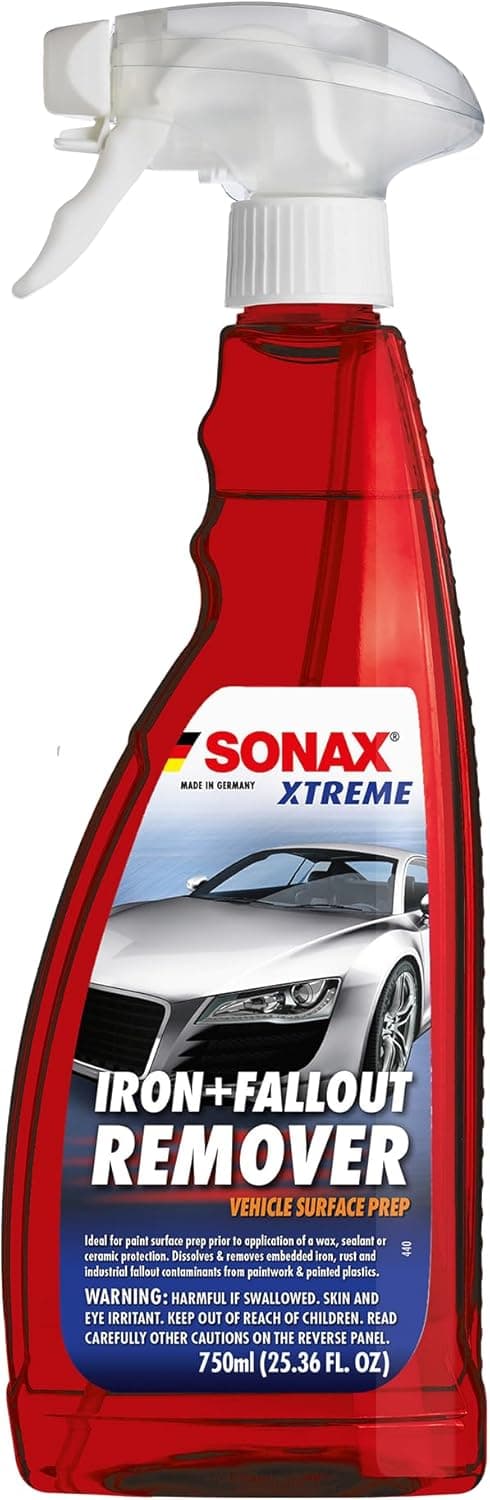
+ 750ml bottle gives plenty of product for full paint and wheel decon
From our guide: Best Iron Removers for Cars and Wheels
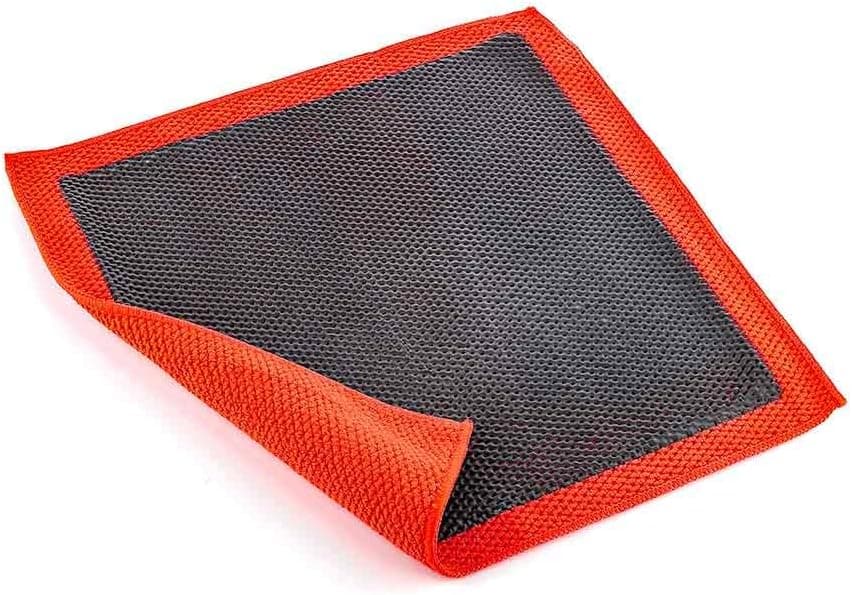
+ Fine grade clay is less likely to haze soft or dark paint
From our guide: Best Clay Mitts
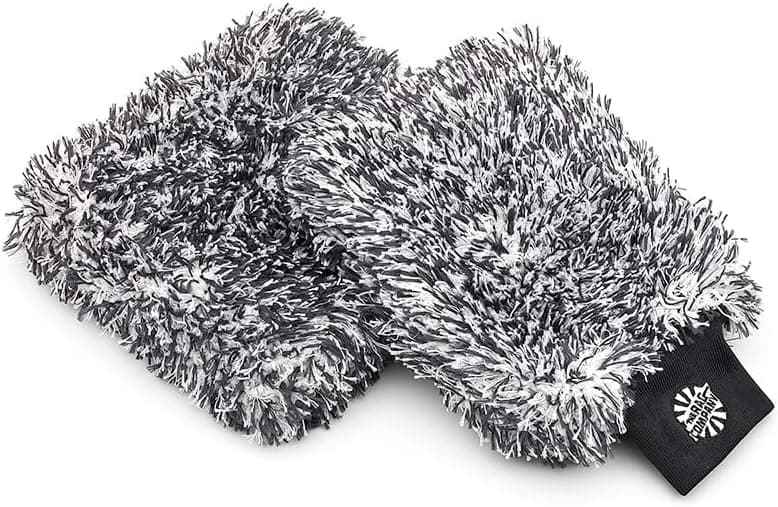
+ Mix of mitt and pad lets you choose grip or flat pressure for different panels
From our guide: Best Wash Mitts, Buckets and Grit Guards
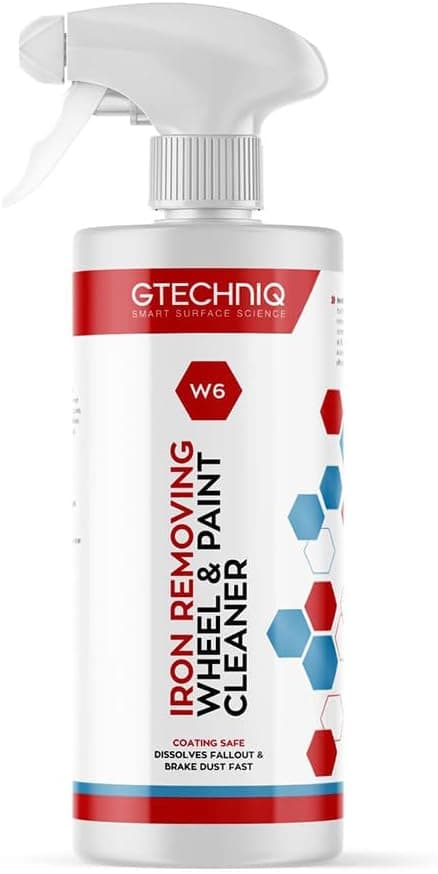
+ Works on both wheels and paint so one bottle handles full decon
From our guide: Best Iron Removers for Cars and Wheels
Popular right now
- Best Finishing Polishes for Maximum Gloss and ClarityBuying guide
- Best Spray Ceramic CoatingsBuying guide
- Cleaning Car Carpets and Fabric UpholsteryArticle
- Best Cutting Compounds for Removing Deep ScratchesBuying guide
- Best Car Scratch RemoversBuying guide
- Interior Detailing Step by StepArticle
Based on the last 28 days of search and visitor data.