Machine Polishing for Beginners
Published How we research
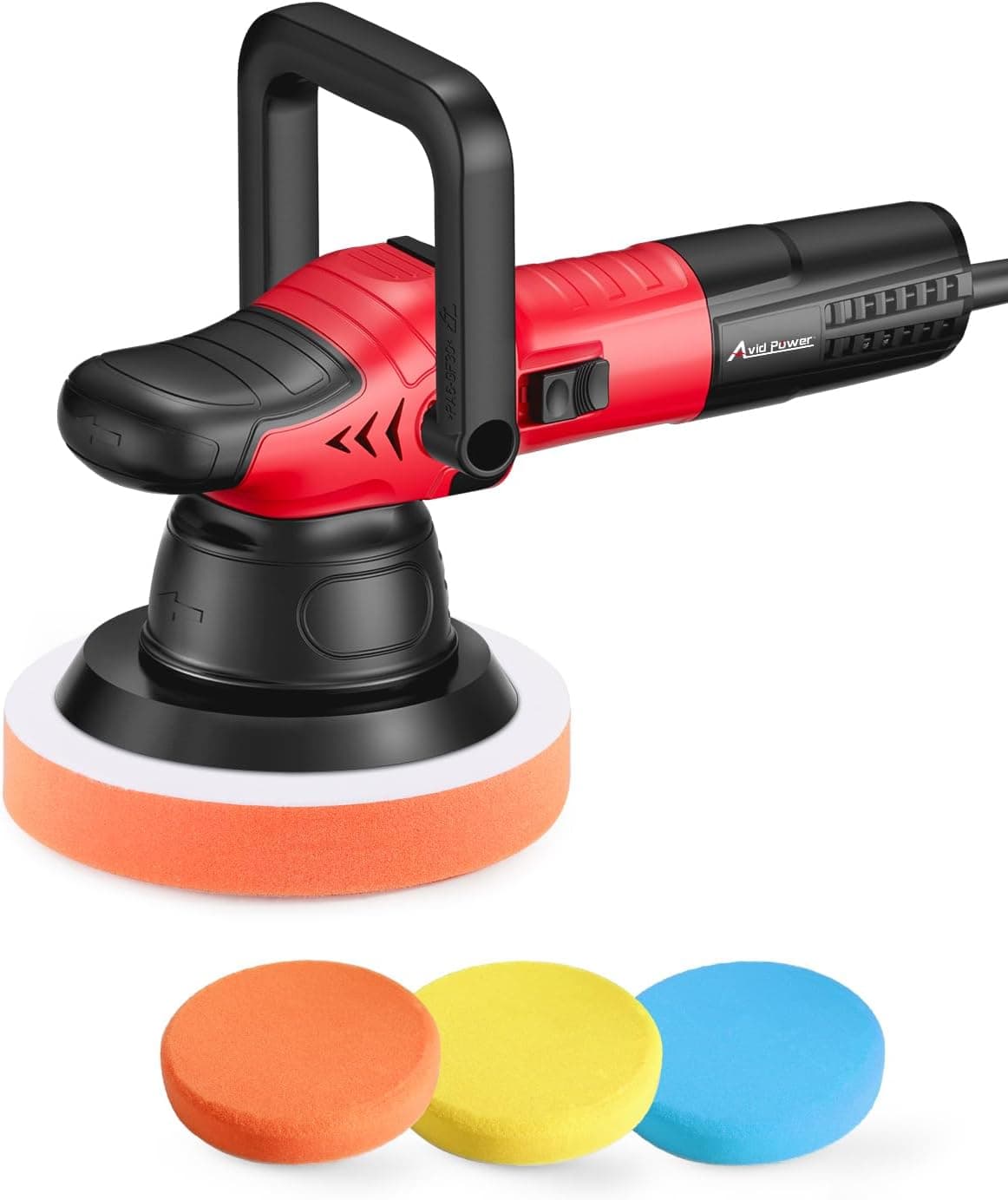
Machine polishing looks intimidating, but a dual-action polisher is one of the most beginner-friendly power tools you can own. It removes swirls, oxidation, and light scratches far faster and more evenly than hand polishing, and unlike an aggressive rotary buffer, a modern dual-action machine is very forgiving. Understanding a few fundamentals is enough to get safe, satisfying results your first weekend.
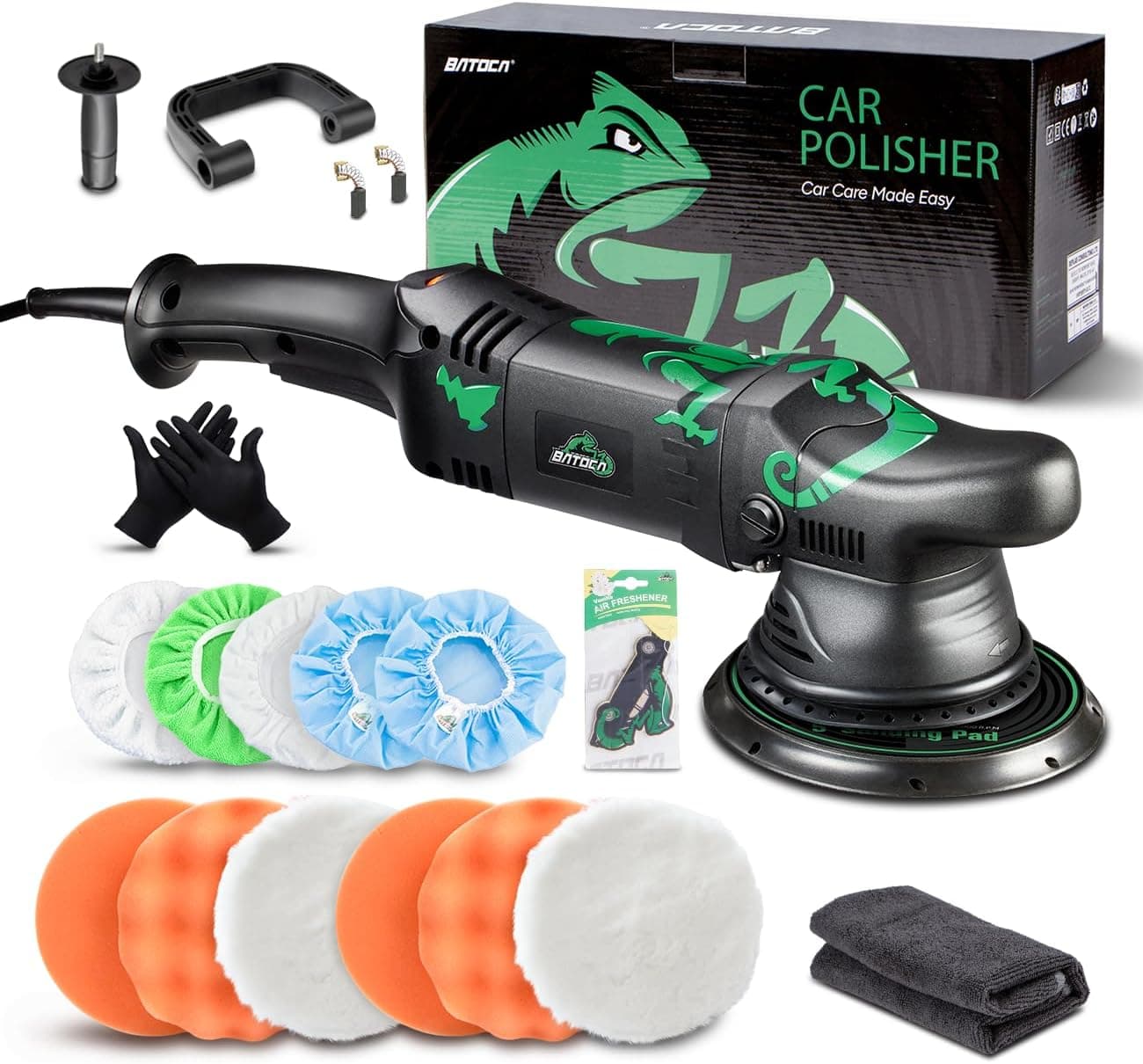
Start with the machine itself. A dual-action, or DA, polisher spins the pad while also oscillating it in a small orbit. That dual motion spreads heat and prevents the pad from digging in one spot, which is what makes it so hard to burn through paint. For beginners this is exactly what you want. Rotary polishers are more powerful and used by professionals for heavy correction, but they generate concentrated heat and demand experience, so leave those for later.
Understand the system of pads and products. Correction works through a combination of pad aggressiveness and abrasive compound. Cutting pads and compounds remove more material and tackle heavier defects but leave micro-hazing. Polishing pads with finer polishes refine the finish to a high gloss. Finishing pads with fine polish add the final clarity. The golden rule for beginners is to start with the least aggressive combination that gets the job done, and only step up if needed.
Preparation is non-negotiable. Wash the car with the two-bucket method and clay the paint to remove bonded contamination. Any grit under the pad will scratch as you work. Tape off trim, plastic edges, badges, and panel gaps with painter's tape, because a spinning pad can scuff those areas and stain textured plastic. Work in the shade on cool panels so the polish does not dry too fast.
Now the technique. Prime the pad by spreading a few small dots of polish across it, then dab the pad onto the panel before turning the machine on. Spread the product at low speed first so it does not sling everywhere, then raise to a working speed and move slowly, about an inch per second, with overlapping passes in both directions. Keep the pad flat and let the machine do the work rather than pressing hard.
Work one small section at a time, roughly two feet square. Do several passes until the polish goes clear and breaks down, then stop and wipe the residue with a clean microfiber. Inspect with an angled light to see whether the defects are gone. If a section needs more, do another set of passes before reaching for a more aggressive pad. Keep your pads clean by brushing out spent product regularly, and switch to a fresh pad when one becomes saturated.
When you finish, the paint is bare and must be protected with a wax, sealant, or coating right away. Take your time, keep the machine moving, and resist the urge to fix everything in one pass. Machine polishing rewards patience, and once you feel how much depth and clarity you can bring back, it quickly becomes the most satisfying part of detailing.
Products from this article
The highest-scoring picks from the buying guides mentioned above. Scores are our editorial assessment, not customer ratings.
+ 1000-Watt motor offers strong, steady power for compounding
From our guide: Best Dual-Action Polishers
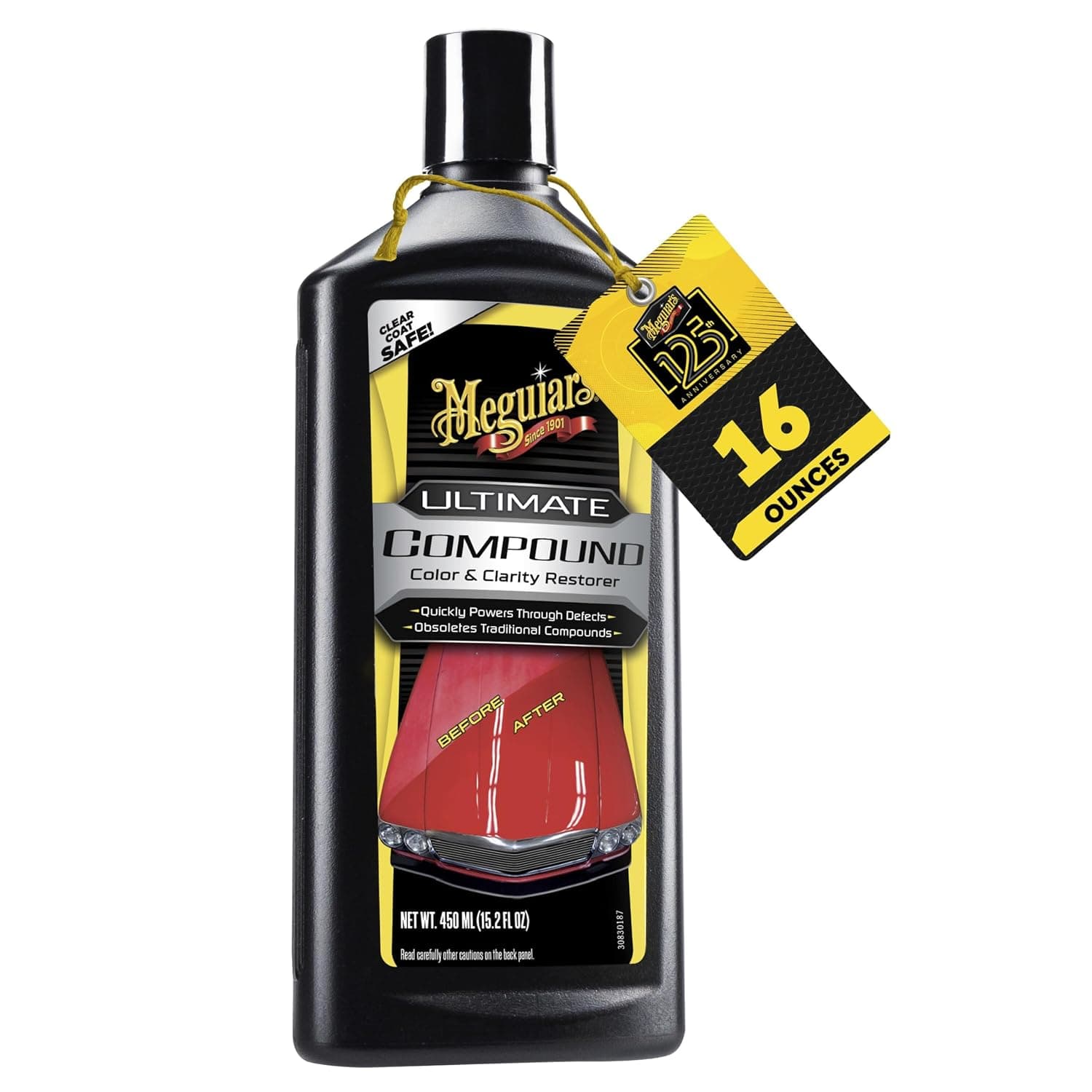
+ Pro-grade cut handles oxidation, swirls and moderate scratches
From our guide: Best Car Scratch Removers
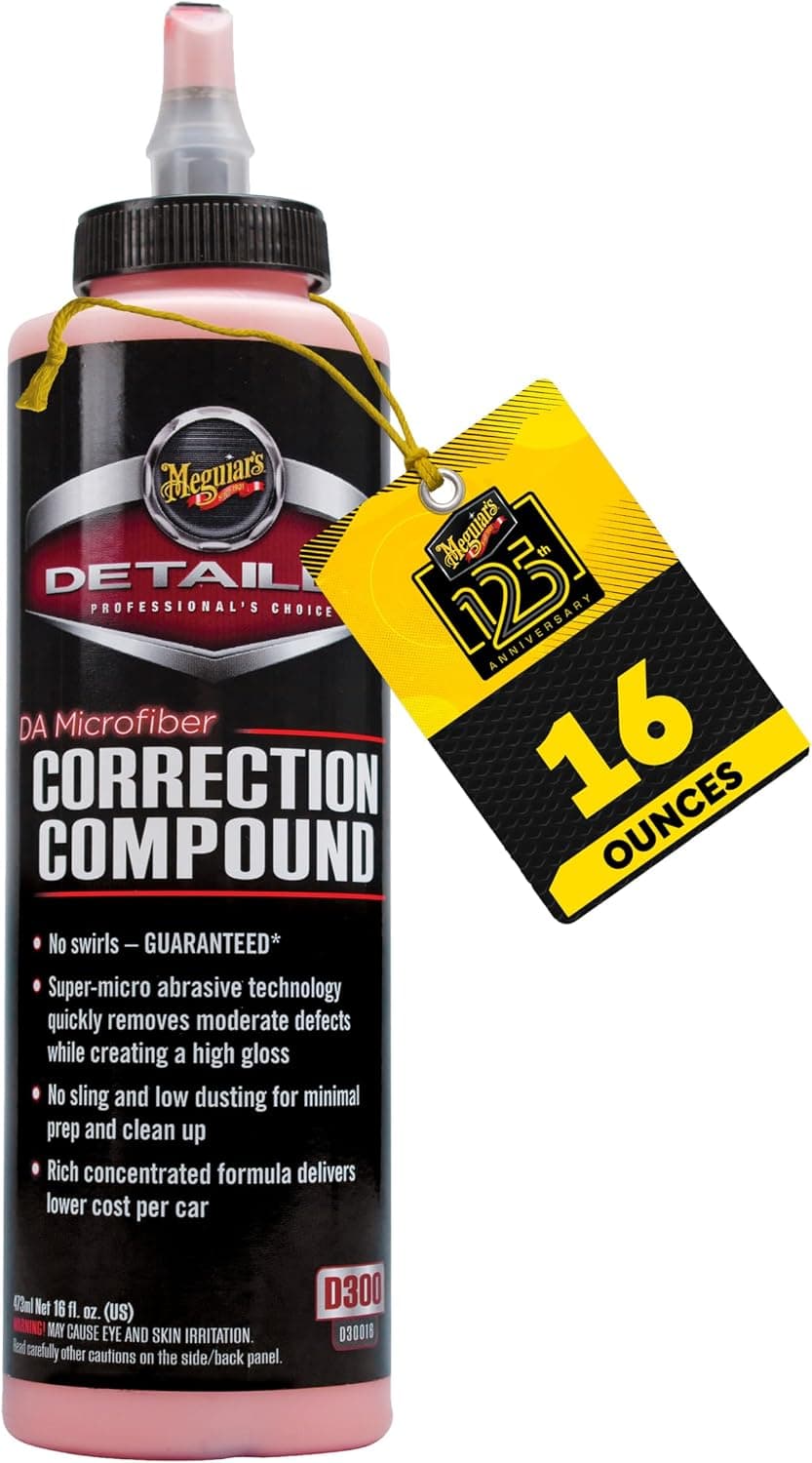
+ Designed for microfiber discs, giving strong cut on a DA polisher
From our guide: Best Polishing Pads and Compounds for Machine Correction
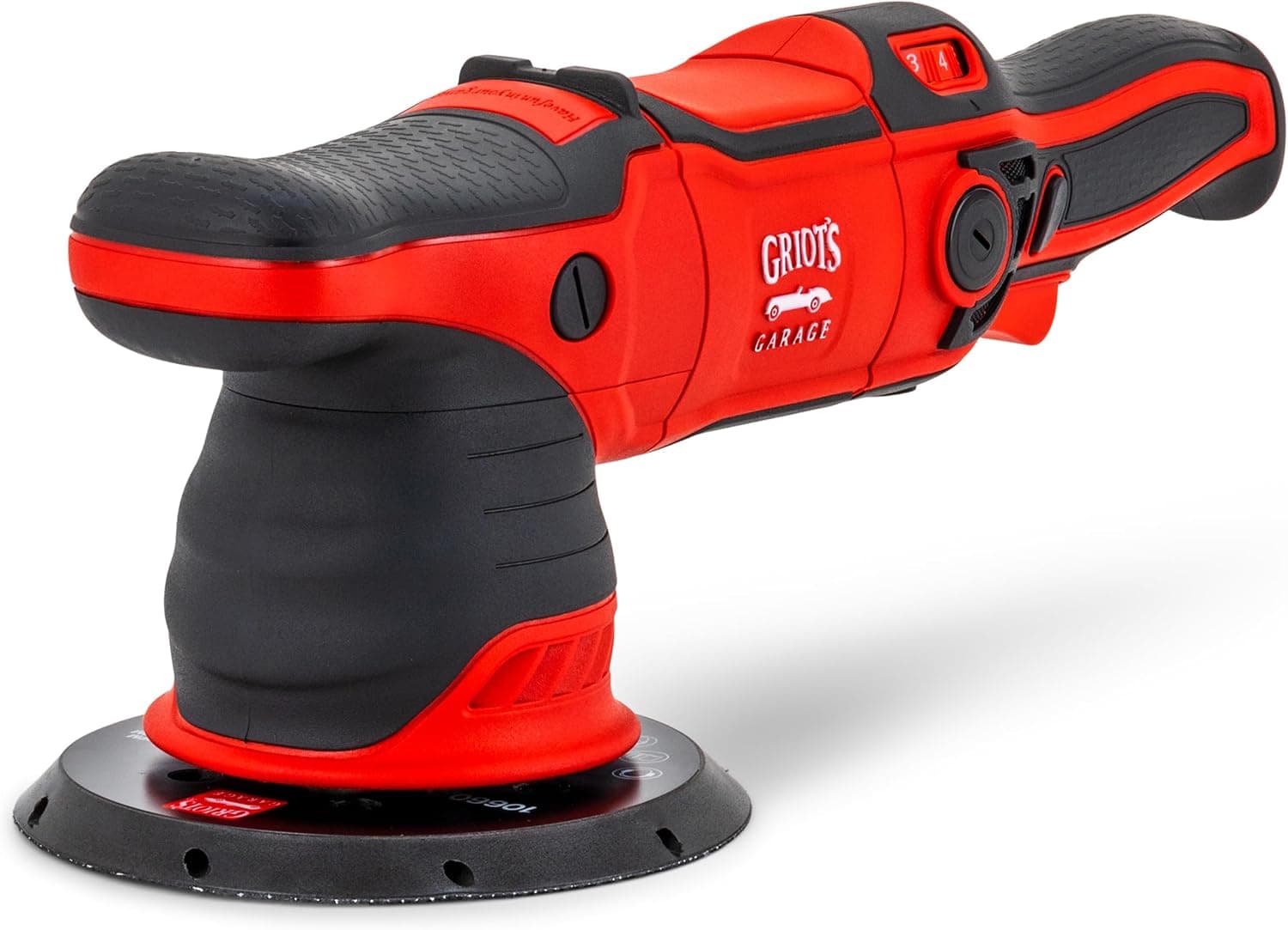
+ 15mm throw covers more paint per pass than short-orbit budget DAs
From our guide: Best Dual-Action Polishers
Popular right now
- Best Finishing Polishes for Maximum Gloss and ClarityBuying guide
- Best Spray Ceramic CoatingsBuying guide
- Cleaning Car Carpets and Fabric UpholsteryArticle
- Best Cutting Compounds for Removing Deep ScratchesBuying guide
- Best Car Scratch RemoversBuying guide
- Interior Detailing Step by StepArticle
Based on the last 28 days of search and visitor data.