Maintenance Washing a Ceramic-Coated Car
Published How we research
A ceramic coating is a significant investment, and how you maintain it determines whether it performs for its full lifespan or degrades early. Coatings are durable but not maintenance-free, and some common products and habits actively shorten their life. The upside is that washing a coated car is genuinely easier than washing uncoated paint, as long as you use the right approach and avoid a few specific pitfalls.
Products from this article
The highest-scoring picks from the buying guides this article links to. Scores are our editorial assessment, not customer ratings.
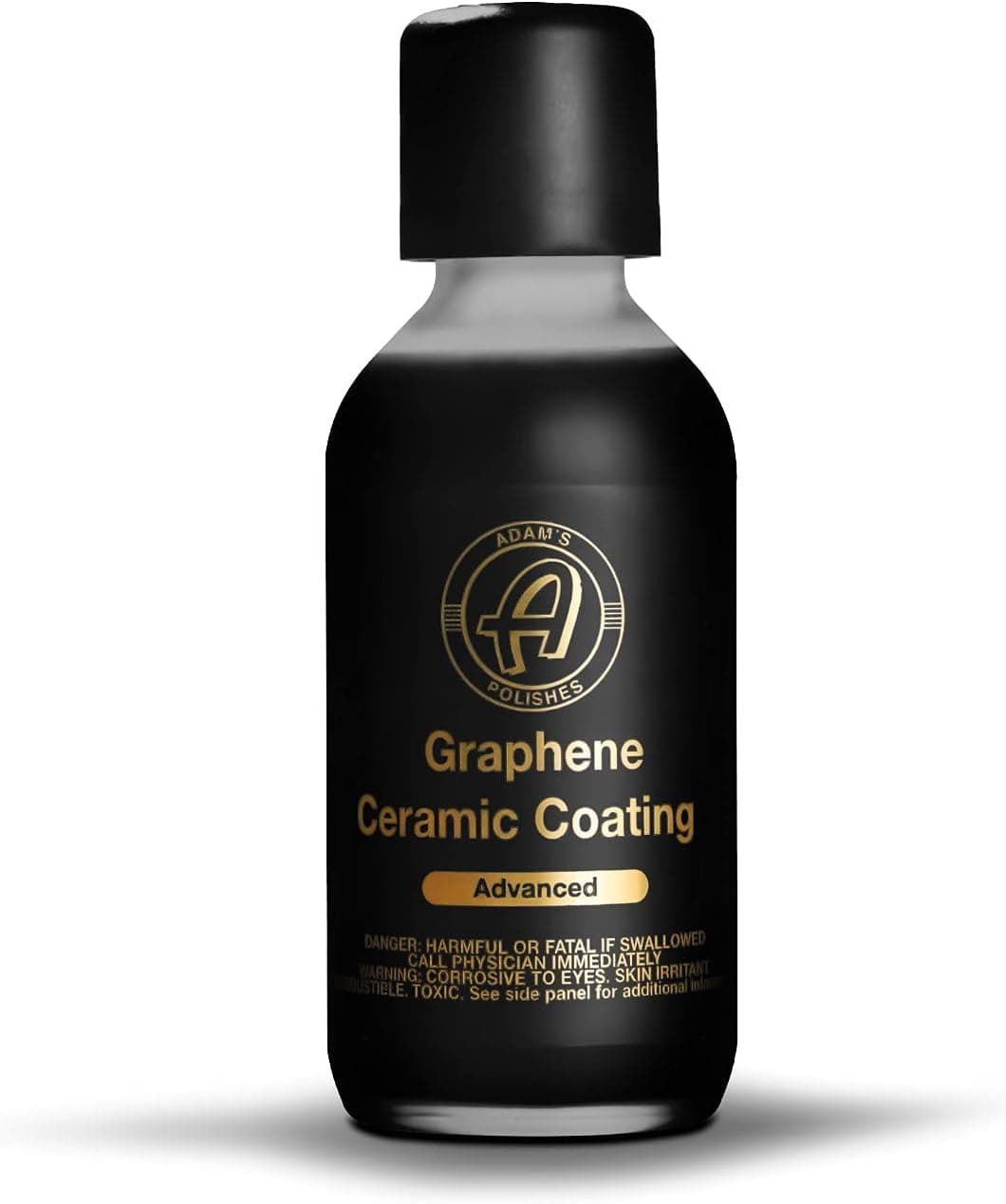
+ 9+ Years Protection claim aims at long-lasting paint defense
From our guide: Best Graphene Coatings for Durable Paint Protection
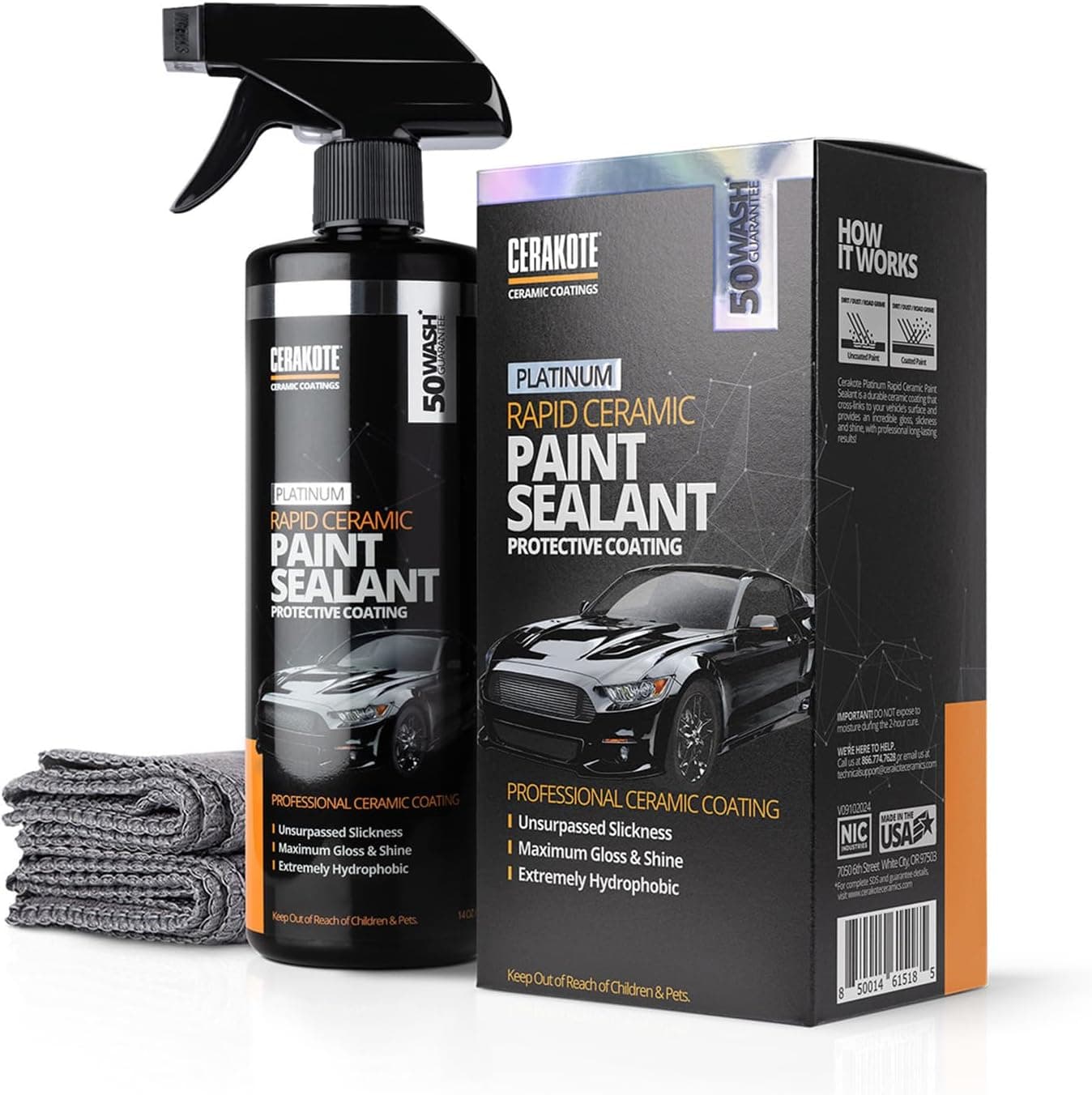
+ Rapid spray application protects a car quickly
From our guide: Best Spray Ceramic Coatings
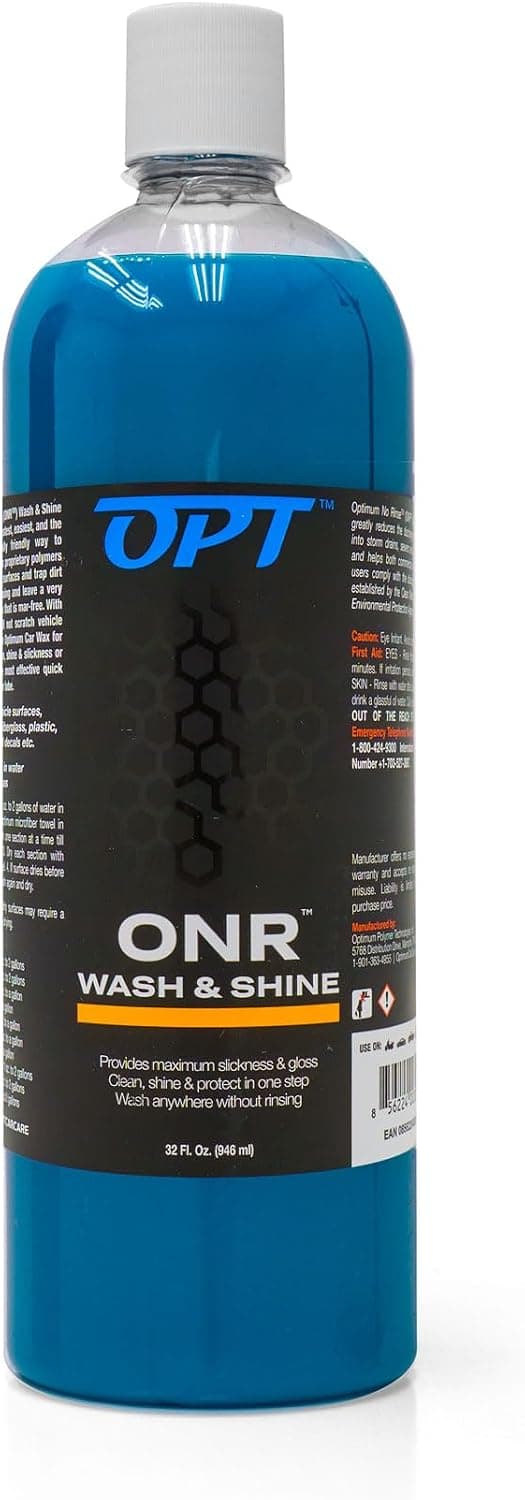
+ Concentrate dilutes into many buckets, so one bottle lasts a long time
From our guide: Best Rinseless Car Wash Solutions for Low-Water Detailing
+ UV Glow Technology shows high and low spots during application
From our guide: Best Graphene Coatings for Durable Paint Protection
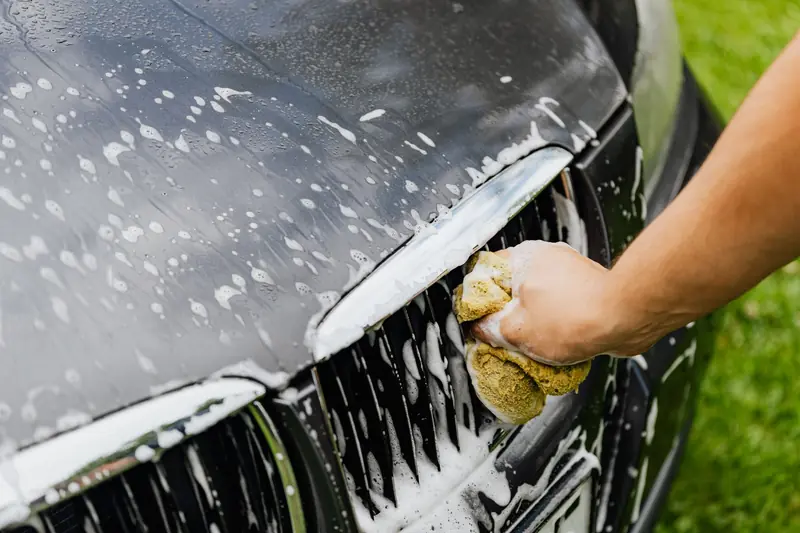
The biggest advantage of a coating is that dirt struggles to bond to it, so grime rinses away with far less effort and contact. This means fewer opportunities to inflict swirl marks during washing. Still, the coating is only the sacrificial top layer protecting your paint, and dragging grit across it will scratch the coating just as it would scratch clear coat. So the two-bucket method, clean mitts, and gentle technique remain just as important.
Wash frequency and timing help the coating last. Rinsing off contaminants like bird droppings, bug splatter, and tree sap promptly matters, because these are acidic and can etch even a coated surface if left to bake in the sun. The coating buys you time and makes removal easier, but it is not an excuse to let contaminants sit for days. Regular gentle washes keep the coating clean and performing.
Product choice is where coatings are easy to harm unintentionally. Avoid harsh, high-alkaline or acidic cleaners and strong degreasers on coated paint, as these can degrade the coating over time. Skip aggressive wax-stripping shampoos and any product not intended for coated surfaces. Use a dedicated pH-neutral car shampoo, ideally one labeled as coating-safe, which cleans effectively without attacking the silica layer.
Contrary to what some assume, you generally should not wax over a ceramic coating with traditional waxes, which can mask the coating's hydrophobic properties and do little good. Instead, when the water beading and self-cleaning start to weaken, use a dedicated ceramic booster or topper spray. These silica-based maintenance products chemically bond to the existing coating, refreshing its water behavior and gloss and extending its effective life between full reapplications.
Watch the coating's performance as a diagnostic. When you notice water no longer beading tightly and instead sheeting flatly or clinging, the coating is either dirty or beginning to lose its hydrophobics. Often a thorough wash restores the beading, as accumulated grime was simply masking it. If a clean coating still is not beading well, that is your cue to apply a booster spray to top it up.
Every so often a coated car benefits from a decontamination wash, since bonded contaminants like iron fallout can still accumulate on top of the coating over months. A gentle iron remover and a light chemical decon, using coating-safe products, clear this without harming the coating. Maintain with pH-neutral shampoo, prompt contaminant removal, careful contact technique, and periodic boosters, and a good coating will reward you with years of easy washing and strong water beading.
Popular right now
- Best Cordless Car PolishersBuying guide
- Best Clay MittsBuying guide
- Best Rinseless Car Wash Solutions for Low-Water DetailingBuying guide
- Best Finishing Polishes for Maximum Gloss and ClarityBuying guide
- Car Detailing Dilution Ratio ChartArticle
- How to Remove Tree Sap and Leaf Stains in FallArticle
Based on the last 28 days of search and visitor data.