Why Your Polisher Leaves Haze or Holograms
Published How we research
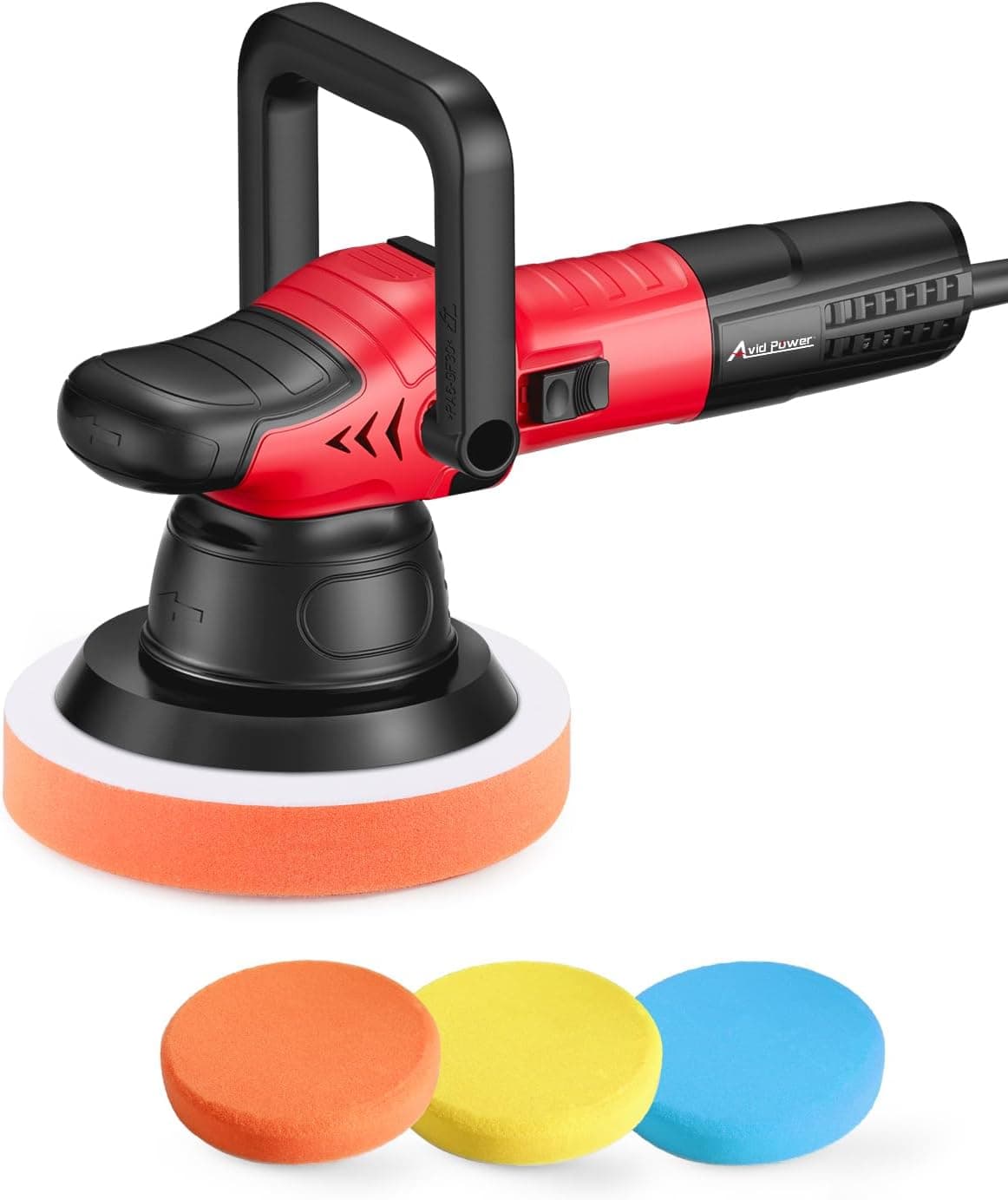
Machine polishing should leave paint clearer and glossier, but many beginners finish with a dull haze or swirling trails called holograms. The polisher is rarely the problem. It is usually the pad, the product, the speed or not finishing down after a cutting step.
Haze versus holograms
Haze is a dull, cloudy finish, often left by aggressive compounds and cutting pads that remove defects but leave fine micro-marring. Holograms are rotating trails or buffer marks visible in sunlight, most common with rotary polishers or poor technique.
Inspect under a strong light and in sunlight to see which you have, since the fix differs: haze needs refining, holograms need better technique and a finishing step.
Always finish after cutting
A cutting compound on a firm pad corrects deeper defects but rarely leaves a finished gloss on its own, especially on soft paint. Follow with a finishing polish on a soft pad to remove the haze left by the cutting step.
On many cars a one-step polish gives a good balance. Test a small spot first to find the least aggressive combination that removes the defects you care about.
Pad and product problems
Pads clogged with spent polish and paint residue cut unevenly and leave haze. Clean pads often with a brush or compressed air during work and switch to fresh pads when they become saturated.
Using too much polish creates a greasy film that hides progress and leaves residue. A few pea-sized drops per section is usually enough, and pads should be primed lightly before the first section.
Technique and machine settings
Keep the pad flat on the paint, use moderate even pressure and slow, overlapping passes. Tilting the pad concentrates pressure and causes marring. Work sections about two feet square until the polish turns clear.
For finishing, reduce pressure and speed in the final passes to refine the surface. Rotary polishers need extra care and a jeweling step; dual-action polishers are far more forgiving for beginners.
Check your work honestly
Polishing oils can temporarily fill fine scratches and make paint look perfect until you wash or wipe with a panel prep spray. Wipe each test section with a panel wipe to see the true result before moving on.
Use a paint thickness gauge on older or repainted cars, and never polish the same area repeatedly chasing perfection. Clear coat is thin, and some defects are too deep to remove safely.
Products from this article
The highest-scoring picks from the buying guides mentioned above. Scores are our editorial assessment, not customer ratings.
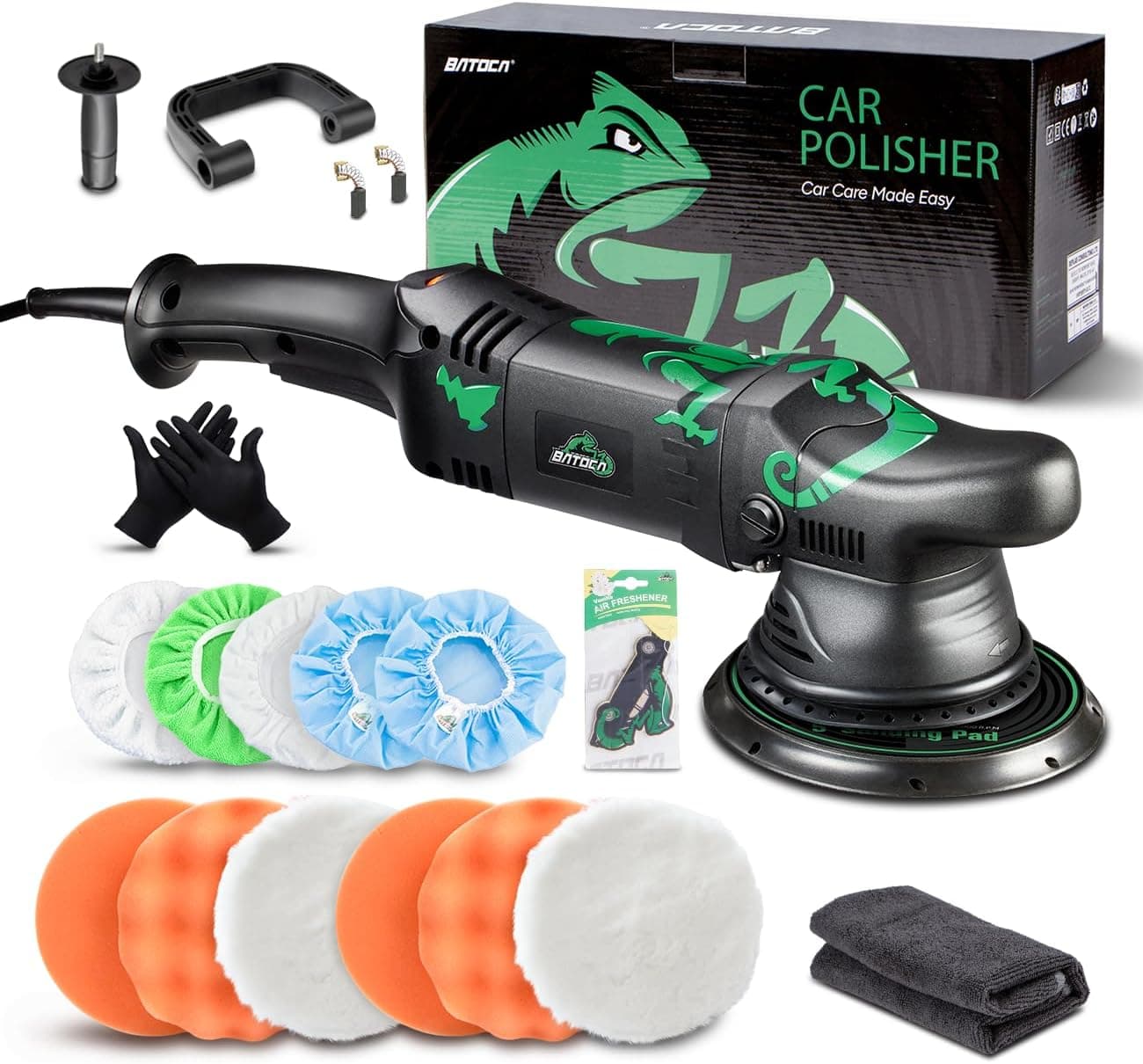
+ 1000-Watt motor offers strong, steady power for compounding
From our guide: Best Dual-Action Polishers
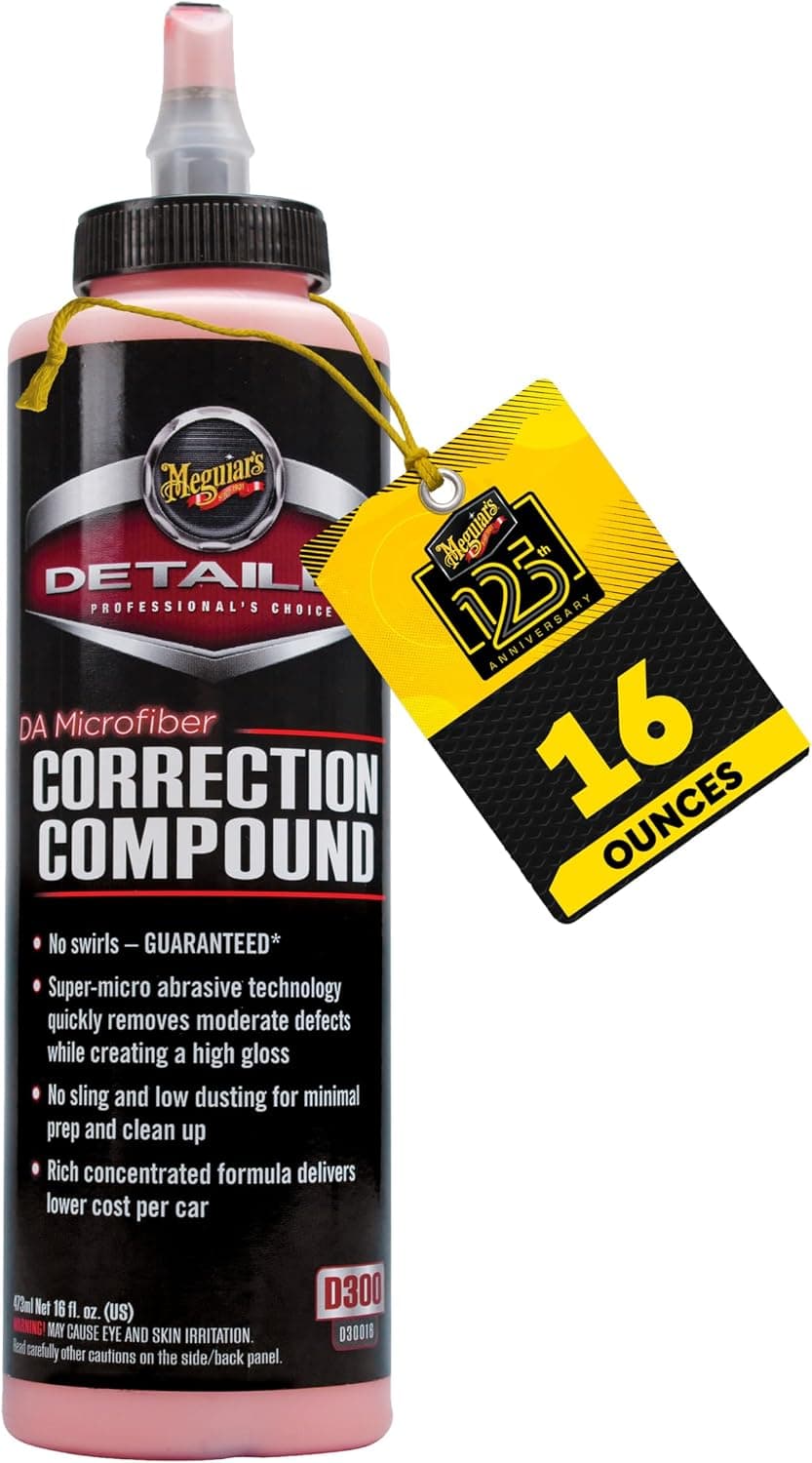
+ Designed for microfiber discs, giving strong cut on a DA polisher
From our guide: Best Polishing Pads and Compounds for Machine Correction
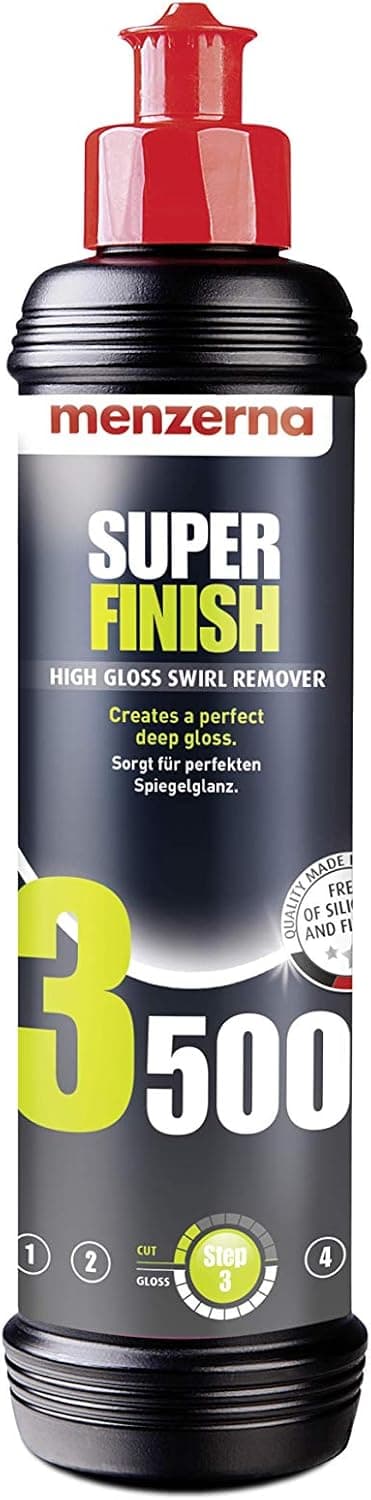
+ Super Finish 3500 is known for jeweling paint to a deep gloss
From our guide: Best Finishing Polishes for Maximum Gloss and Clarity
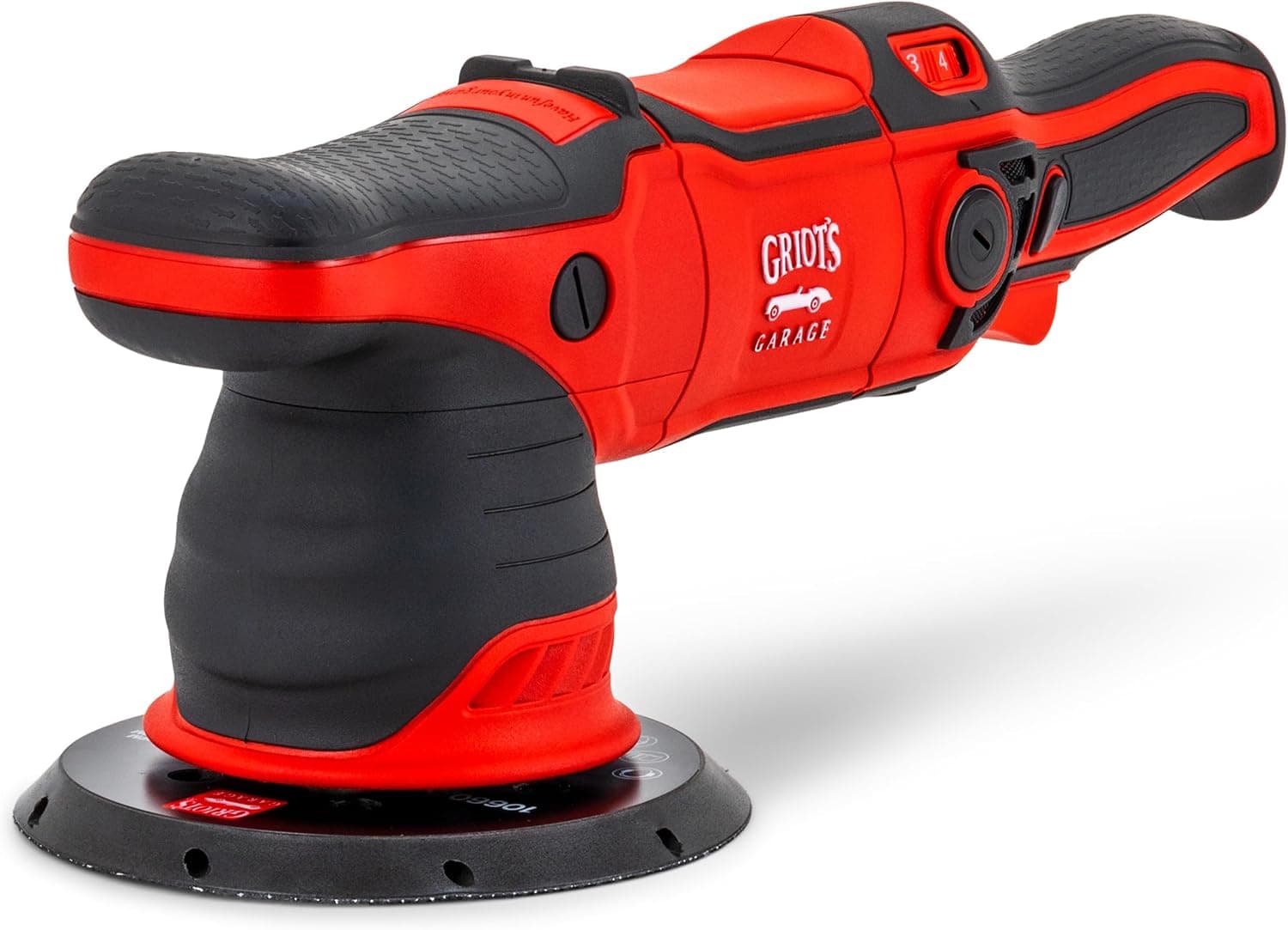
+ 15mm throw covers more paint per pass than short-orbit budget DAs
From our guide: Best Dual-Action Polishers
Popular right now
- Best Cordless Car PolishersBuying guide
- Best Finishing Polishes for Maximum Gloss and ClarityBuying guide
- Best Spray Ceramic CoatingsBuying guide
- Cleaning Car Carpets and Fabric UpholsteryArticle
- Best Car Scratch RemoversBuying guide
- Best Cutting Compounds for Removing Deep ScratchesBuying guide
Based on the last 28 days of search and visitor data.