Removing Tar and Road Grime Safely
Published How we research
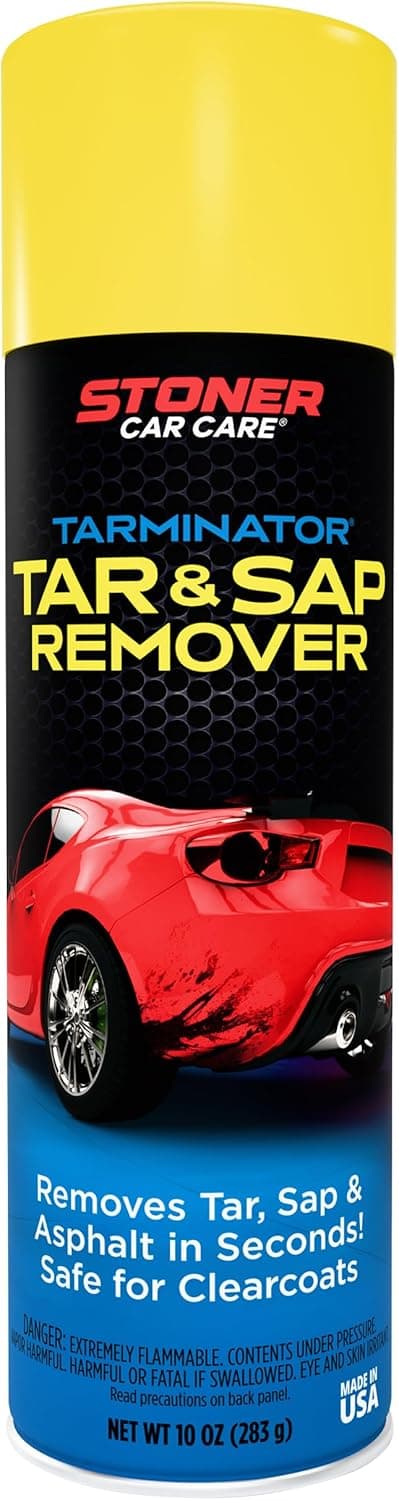
Black flecks along your lower doors, rockers, and rear bumper are usually tar and road grime, thrown up from fresh asphalt and hot roads. They bond stubbornly to paint and shrug off ordinary car soap, and if you attack them with a scrubbing pad you will scratch the finish before you lift the tar. The right approach is chemical, letting a dedicated solvent dissolve the bond so the tar wipes away with almost no pressure.
First identify what you are removing. Tar appears as small black or dark brown spots and streaks, concentrated low on the car where the tires kick up road debris. It often comes alongside other bonded contamination like industrial fallout and iron particles, so tar removal frequently pairs with a broader decontamination session. Handle the tar first, because its solvents also help loosen nearby grime.
Work on a clean, cool surface out of direct sun. Wash the car normally so loose dirt is gone and you are only dealing with the bonded spots. Then reach for a dedicated tar and adhesive remover. These solvent-based products are formulated to dissolve tar and glue residue while being safe on cured automotive clear coat when used as directed. Avoid harsh household solvents, which can dull or damage paint and trim.
Apply the remover to the affected area or onto a clean microfiber and let it dwell for the time the label specifies, usually under a minute. You will often see the tar begin to run and streak as the solvent breaks it down, which tells you it is working. Give it that dwell time rather than immediately rubbing, because the chemistry does the hard part and reduces how much you have to touch the paint.
Wipe gently with a soft microfiber, flipping to a clean face as it loads up with dissolved tar. Stubborn spots may need a second application rather than more elbow grease. The principle throughout is to let the solvent work and keep physical pressure minimal, since aggressive rubbing is what marrs the clear coat. For heavy tar along rockers, work in small sections and use fresh towel surfaces often so you are not smearing tar back onto the paint.
Be mindful of surfaces beyond paint. Tar removers can affect rubber trim, plastic, and matte finishes, so test in an inconspicuous area first and avoid prolonged contact on anything porous or textured. On glass, tar removers are generally safe and effective. Keep the product off freshly waxed or coated areas longer than necessary, because strong solvents can strip protection.
After the tar is gone, wash the treated areas again to remove solvent residue, then restore protection. Tar removers strip wax and sealant from wherever they touch, leaving bare clear coat exposed. Reapply your wax, sealant, or spray protectant to those lower panels, and consider a durable coating there since they take the most abuse. Clean, protected lower panels shed future tar more easily and make the next cleanup far quicker.
Products from this article
The highest-scoring picks from the buying guides mentioned above. Scores are our editorial assessment, not customer ratings.
+ Dissolves tar and asphalt spots without scrubbing hard
From our guide: Best Bug and Tar Removers for Bumpers and Paint
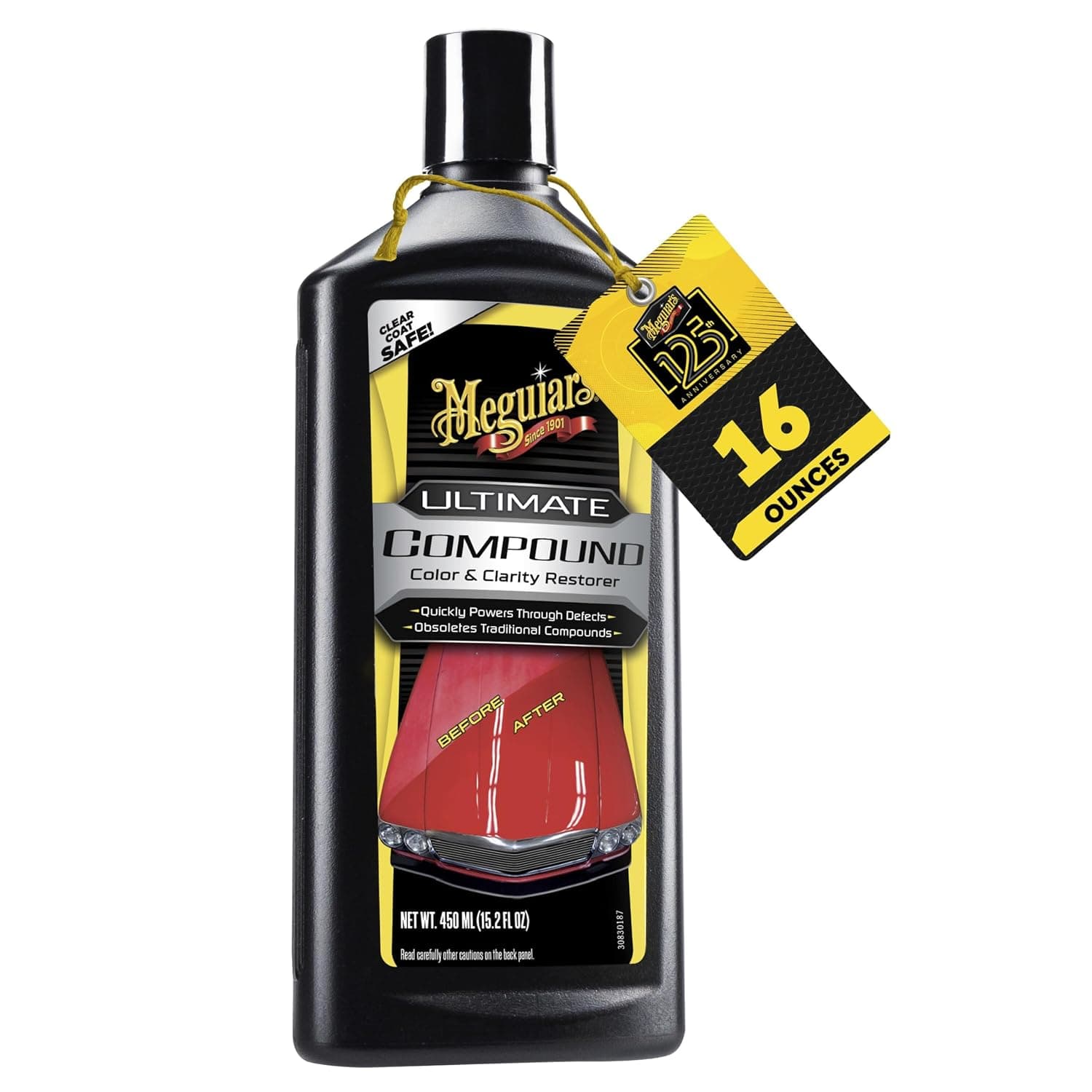
+ Pro-grade cut handles oxidation, swirls and moderate scratches
From our guide: Best Car Scratch Removers
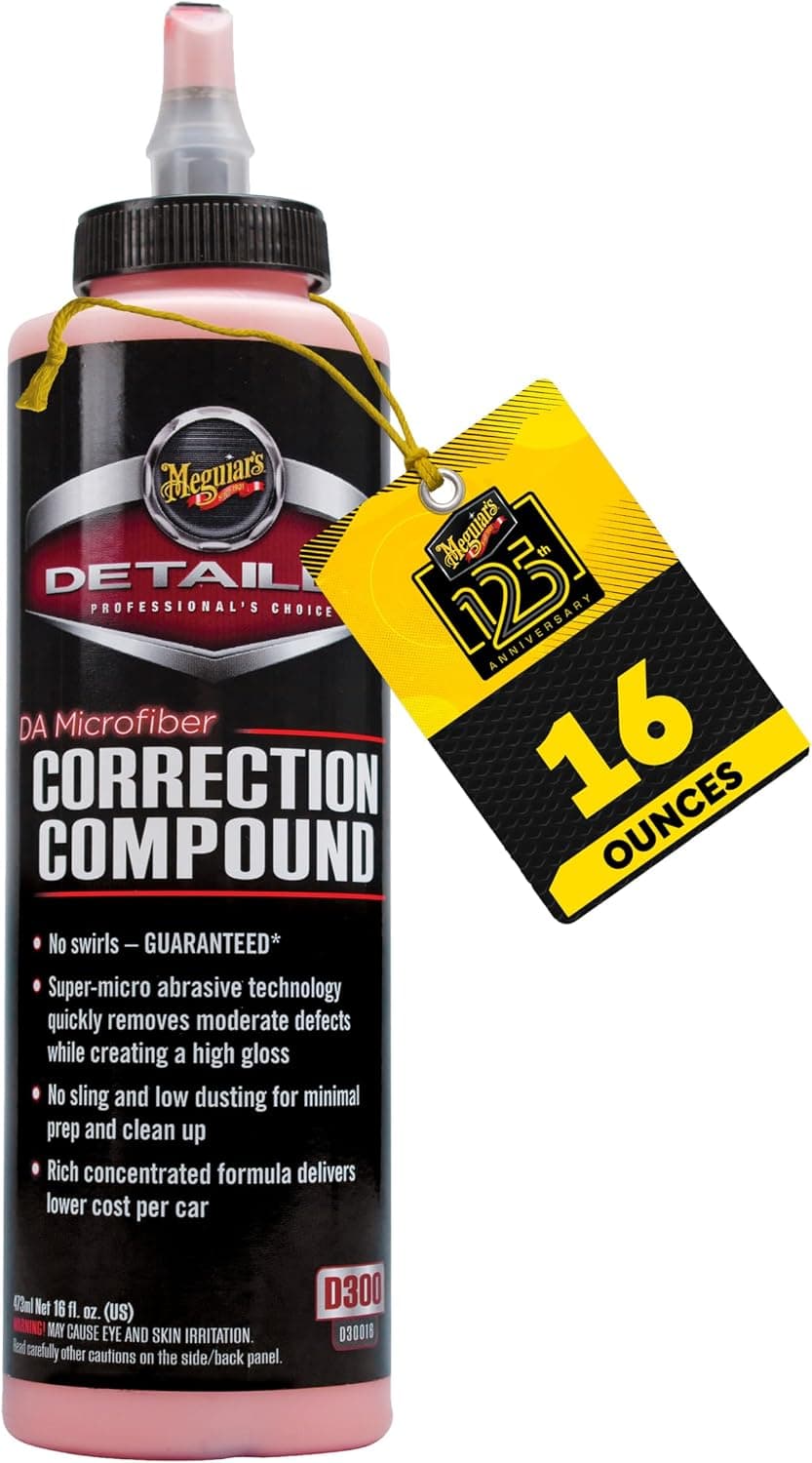
+ Designed for microfiber discs, giving strong cut on a DA polisher
From our guide: Best Polishing Pads and Compounds for Machine Correction
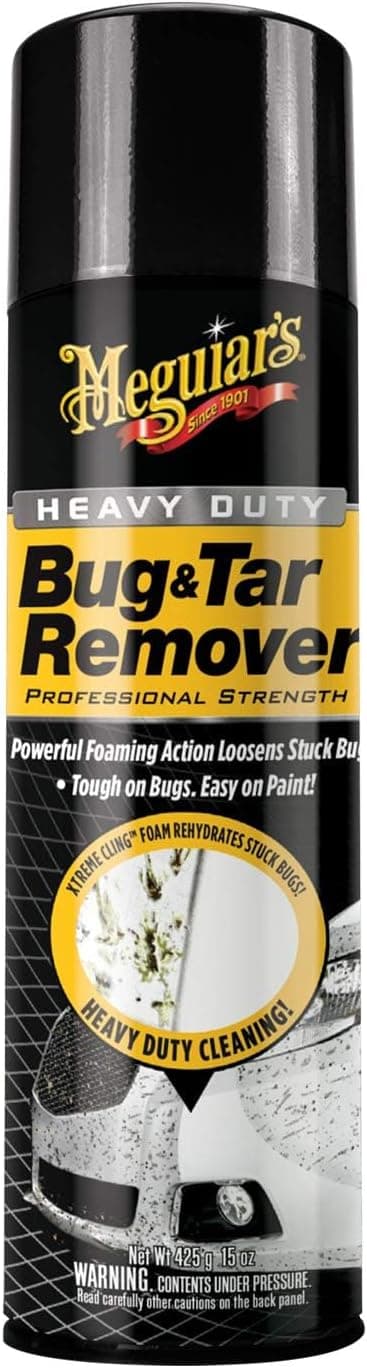
+ Heavy duty formula tackles dried bugs that soap alone leaves behind
From our guide: Best Bug and Tar Removers for Bumpers and Paint
Popular right now
- Best Finishing Polishes for Maximum Gloss and ClarityBuying guide
- Best Spray Ceramic CoatingsBuying guide
- Cleaning Car Carpets and Fabric UpholsteryArticle
- Best Cutting Compounds for Removing Deep ScratchesBuying guide
- Best Car Scratch RemoversBuying guide
- Interior Detailing Step by StepArticle
Based on the last 28 days of search and visitor data.