Removing Water Spots From Glass and Paint
Published How we research
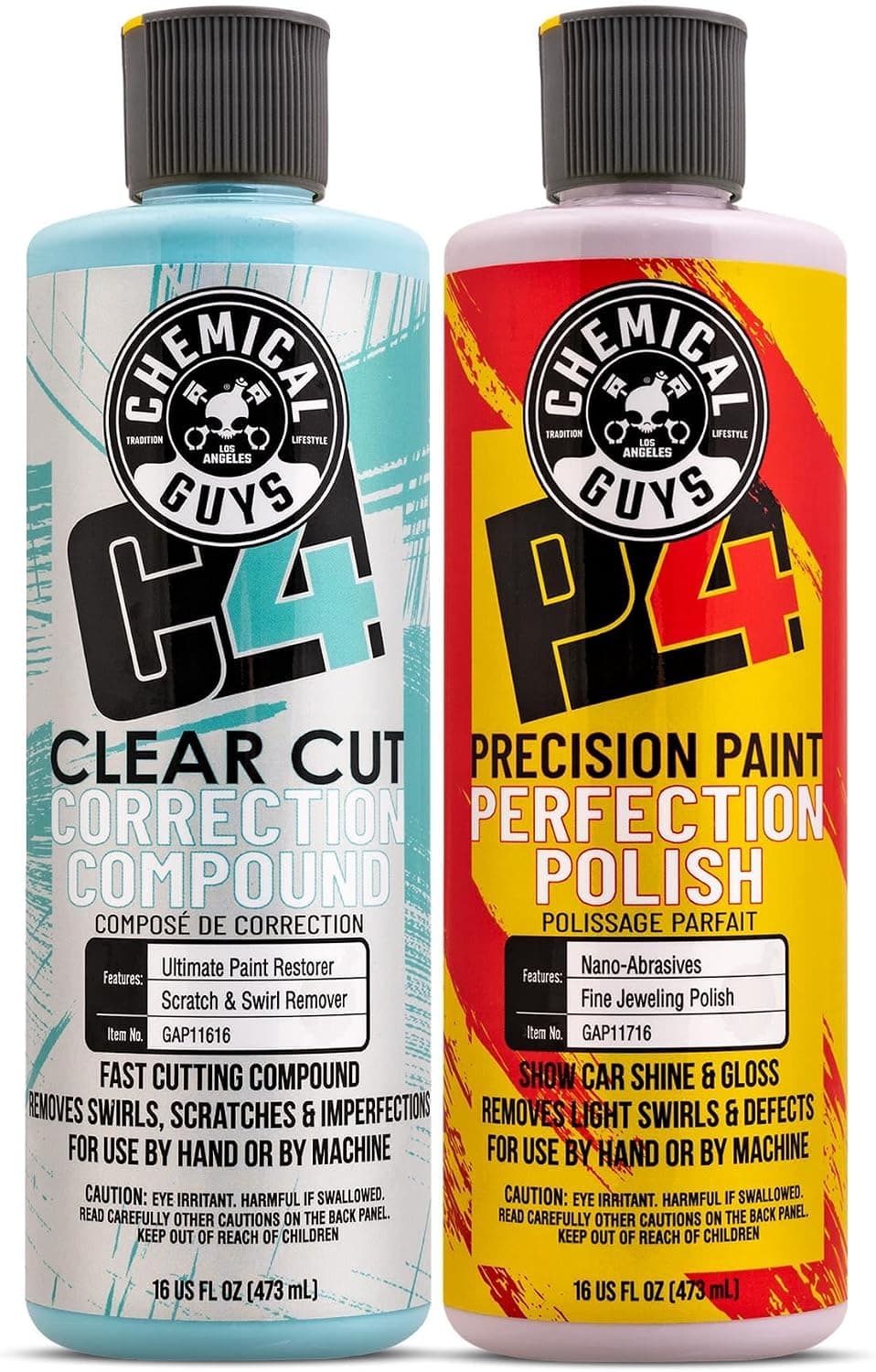
Water spots are one of the most common and frustrating blemishes on a car, and they are not all the same. Understanding which type you have determines whether a quick wipe fixes them or whether you need polishing or acid. Getting the diagnosis right saves you from either wasting effort on a mild spot or, worse, attacking a delicate surface too aggressively.
The mildest type is simple mineral deposit spots, the chalky white rings left when hard water evaporates and leaves its dissolved minerals behind on the surface. These sit on top of the paint or glass and have not damaged anything yet. They often wipe away with a dedicated water spot remover or a mild acidic solution like diluted white vinegar, followed by a rinse. The key is catching them before they progress.
The more serious type is etched water spots, where minerals or acidic contamination have actually eaten a small crater into the clear coat or glass. These will not wipe away because the surface itself is deformed. On paint, etched spots require polishing to level the surrounding clear coat down to the bottom of the etch, essentially the same process as removing a scratch. On glass, light etching may respond to a glass polish, while deep etching can be permanent.
Start with the least aggressive method and escalate only as needed. Wash the panel first, then try a purpose-made water spot remover on a microfiber. Let it dwell briefly to dissolve the mineral content, then wipe and rinse. For glass, these removers combined with a fine glass polishing compound handle most spotting, restoring clarity and improving how water and wipers behave across the windshield.
If mineral removers do not fully clear the spots on paint, the marks are likely etched and need machine or hand polishing. Use a light polish and pad, work the affected area with overlapping passes, and inspect under angled light. Because polishing removes clear coat, use only as much correction as the etching requires. Deeply etched spots that resist safe polishing may be better left slightly visible than risking burning through the clear coat chasing them.
Be cautious with acidic products. Diluted vinegar and commercial spot removers are acidic to dissolve alkaline mineral deposits, which is effective, but do not let them sit too long or use them on delicate finishes without testing. Always rinse thoroughly afterward and work out of direct sun so the product does not dry and create new spotting of its own. Never combine random household chemicals.
Prevention is far easier than removal. Water spots form when droplets sit and evaporate, so dry the car promptly after washing rather than letting it air dry, especially in hard-water areas. Avoid parking where sprinklers hit the car, and rinse off after rain in dusty or mineral-heavy regions. A hydrophobic sealant or coating that sheets water off quickly dramatically reduces spotting, giving droplets less chance to settle and dry into marks.
Products from this article
The highest-scoring picks from the buying guides mentioned above. Scores are our editorial assessment, not customer ratings.
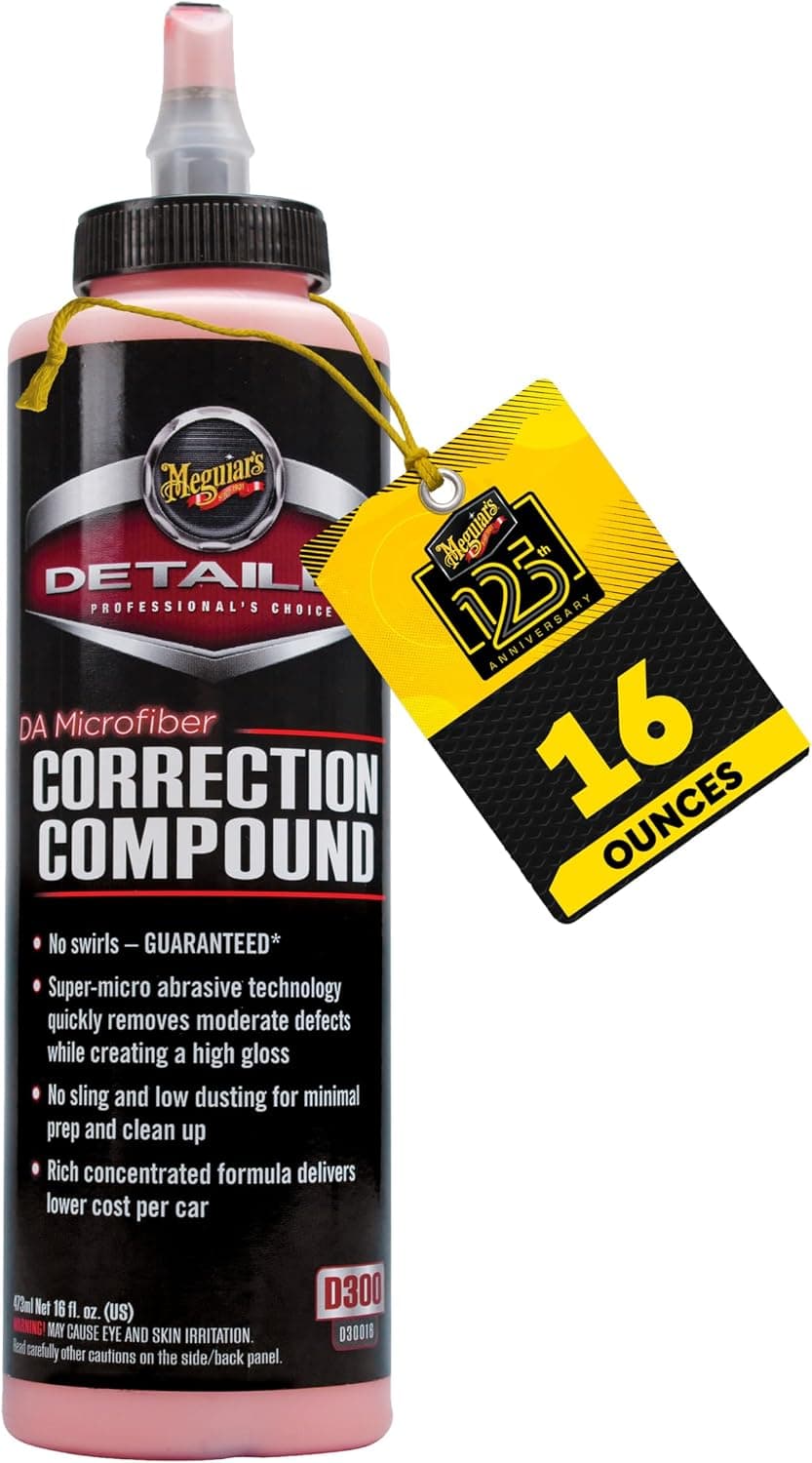
+ Designed for microfiber discs, giving strong cut on a DA polisher
From our guide: Best Polishing Pads and Compounds for Machine Correction
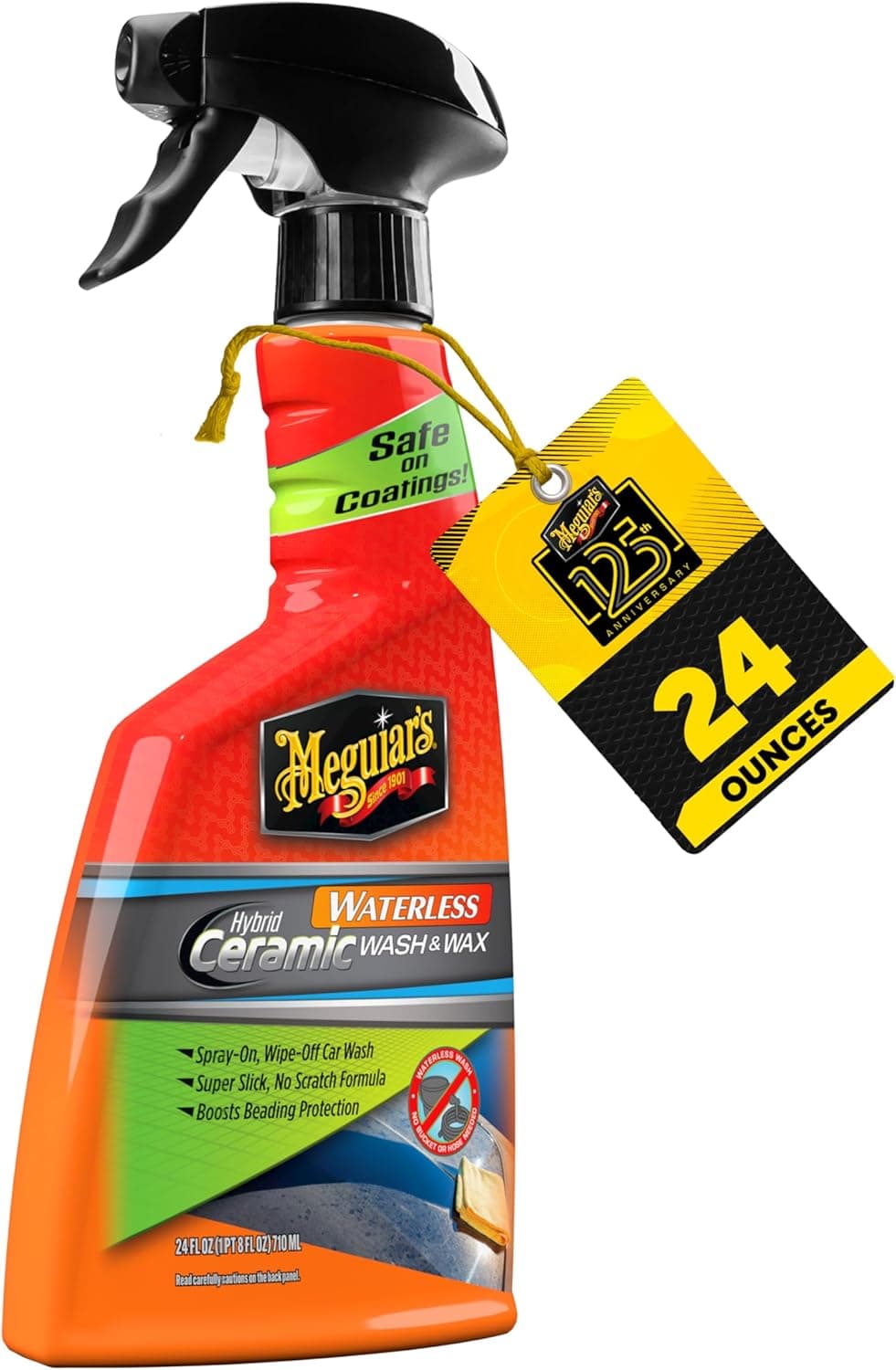
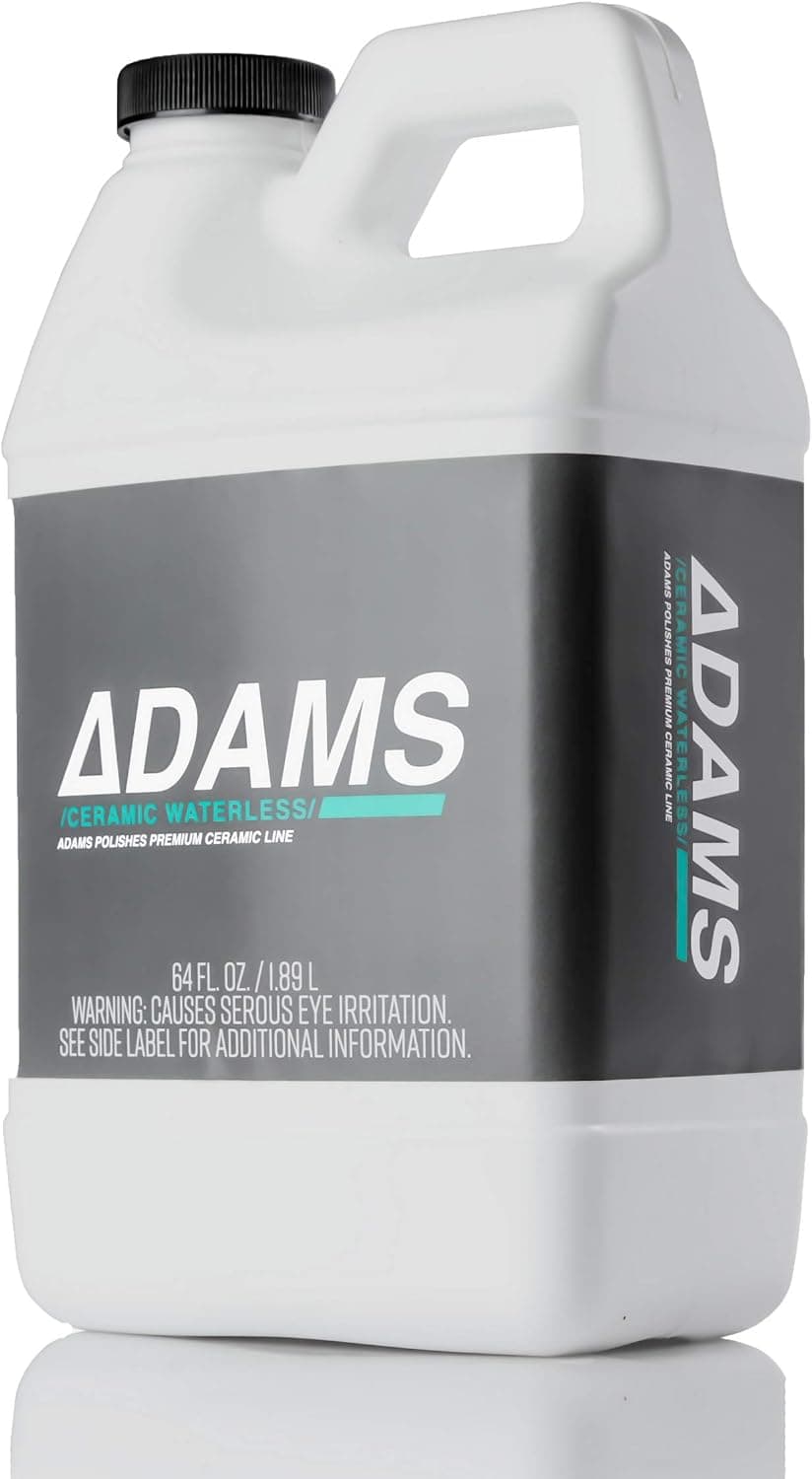
+ Hybrid ceramic formula adds water beading along with the clean
From our guide: Best Waterless Car Wash Sprays for Quick, No-Rinse Cleaning
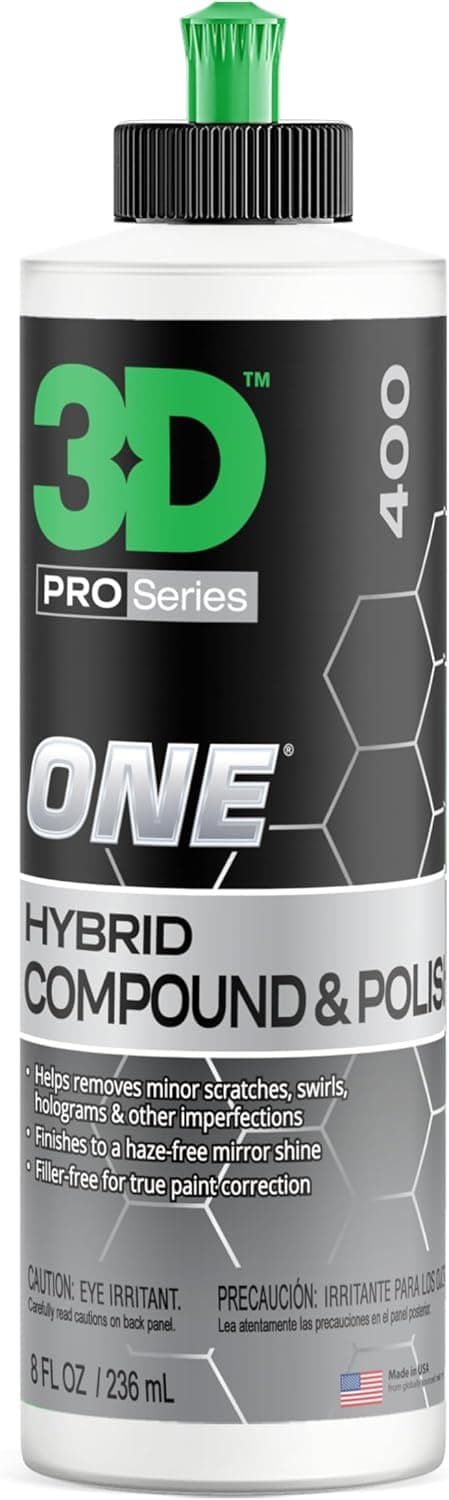
+ Hybrid formula cuts and finishes in one step to save time
From our guide: Best Polishing Pads and Compounds for Machine Correction
+ Half gallon size is great value for detailers who wash waterless often
From our guide: Best Waterless Car Wash Sprays for Quick, No-Rinse Cleaning
Popular right now
- Best Finishing Polishes for Maximum Gloss and ClarityBuying guide
- Best Spray Ceramic CoatingsBuying guide
- Cleaning Car Carpets and Fabric UpholsteryArticle
- Best Cutting Compounds for Removing Deep ScratchesBuying guide
- Best Car Scratch RemoversBuying guide
- Interior Detailing Step by StepArticle
Based on the last 28 days of search and visitor data.