A Safe Wheel Cleaning Guide for Every Finish
Published How we research
Wheels are the dirtiest part of any car and the easiest to damage with the wrong products. They collect brake dust, road grime, tar, and baked-on iron particles, all sitting on a finish that might be painted, clear-coated, polished, chrome, or ceramic coated. A cleaner or brush that is perfect for one finish can ruin another, so safe wheel cleaning starts with knowing what you are working on.
Brake dust is the main enemy. It is made of tiny metallic and carbon particles shed by the brake pads, and it is mildly abrasive and corrosive. Left on the wheel it bonds to the surface and, over time, etches into it. That is why wheels that are never properly cleaned develop a permanent grimy cast that no amount of soap will lift. Regular cleaning prevents that bonding from ever taking hold.
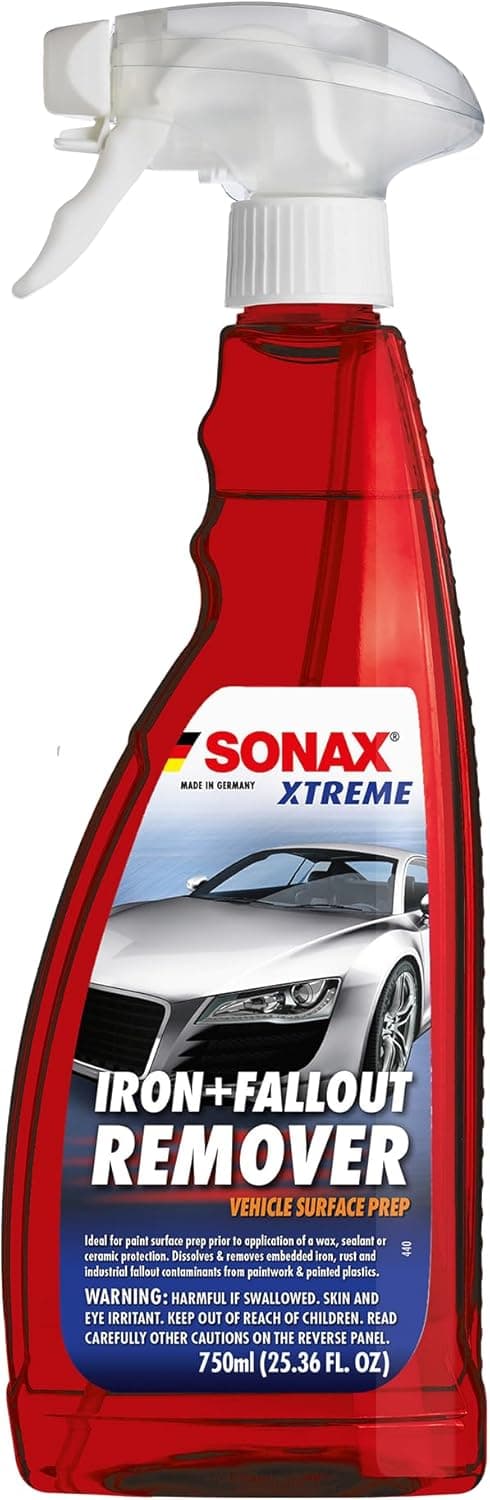
Start with the right cleaner. For most modern painted or clear-coated alloy wheels, a dedicated pH-neutral wheel cleaner is the safest choice. Acidic cleaners cut through grime aggressively but can etch clear coats and damage polished or delicate finishes, so reserve them for tough cases and never use them on chrome or bare polished metal. Iron-removing fallout removers are excellent because they chemically dissolve embedded brake particles and rinse away, often turning purple as they react.
Work on cool wheels, never hot from driving, because heat makes cleaners dry and flash before you can rinse them, which can cause staining. Rinse the wheel first to knock off loose dirt, then spray your cleaner and give it a minute of dwell time to break down the grime. Do not let it dry on the surface. Agitate with brushes chosen for the job.
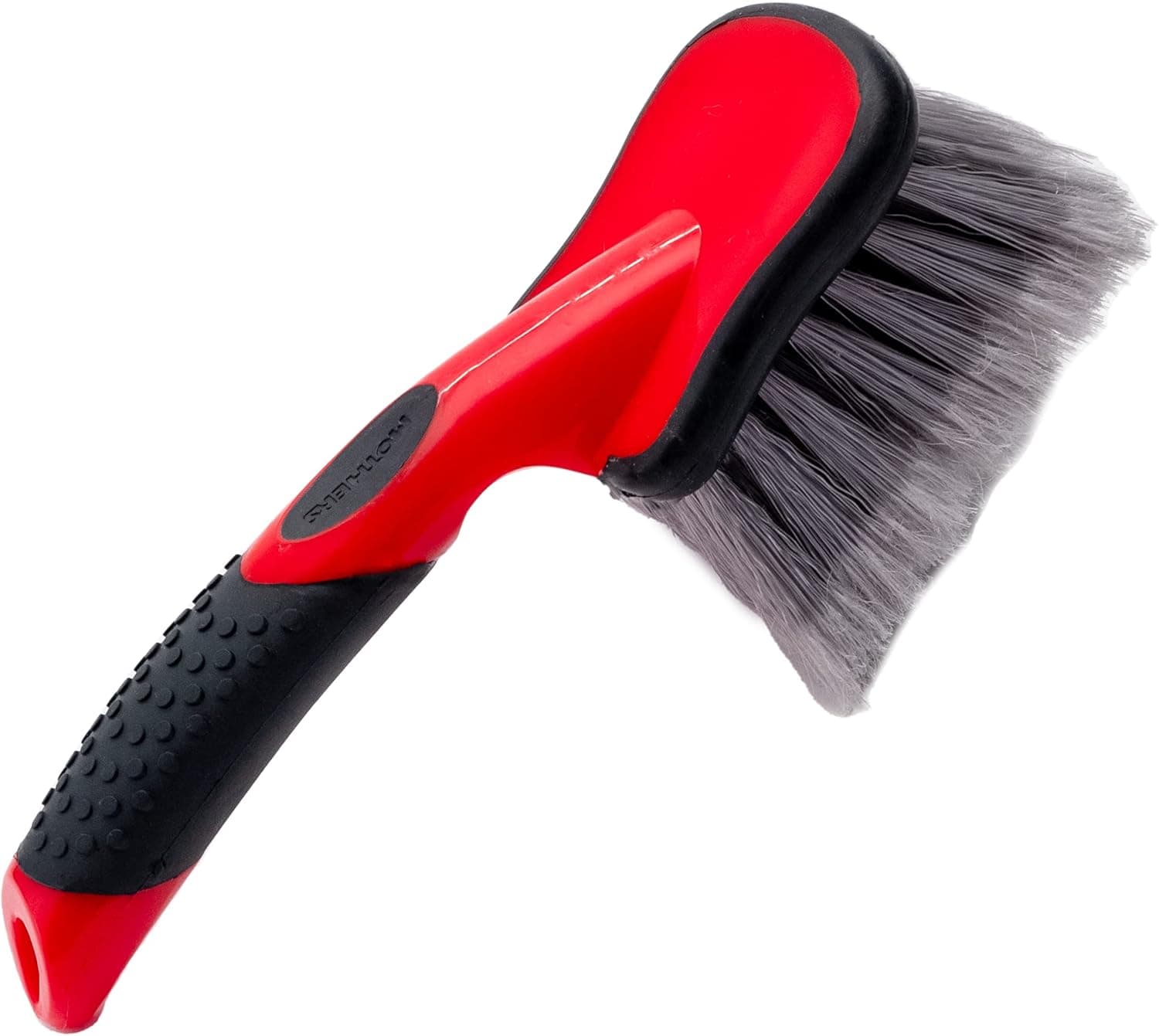
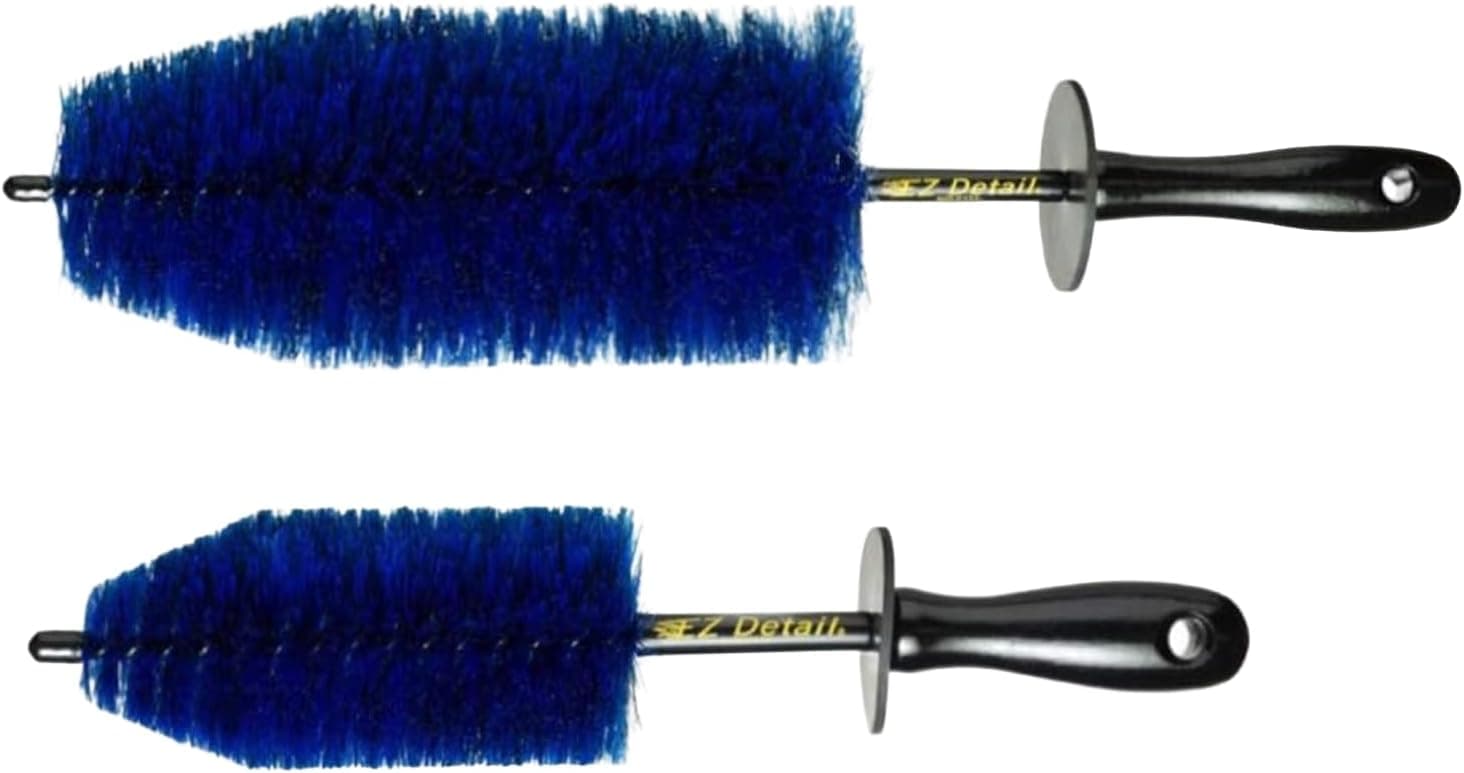
Brush selection protects the finish. Use a soft-bristled face brush for the visible spokes, a long, soft wheel woolie or barrel brush to reach behind the spokes and clean the inner barrel, and a stiffer detailing brush for lug nut recesses and tight crevices. Keep a separate set of brushes and buckets strictly for wheels, because they pick up metallic grit you never want touching your paint.
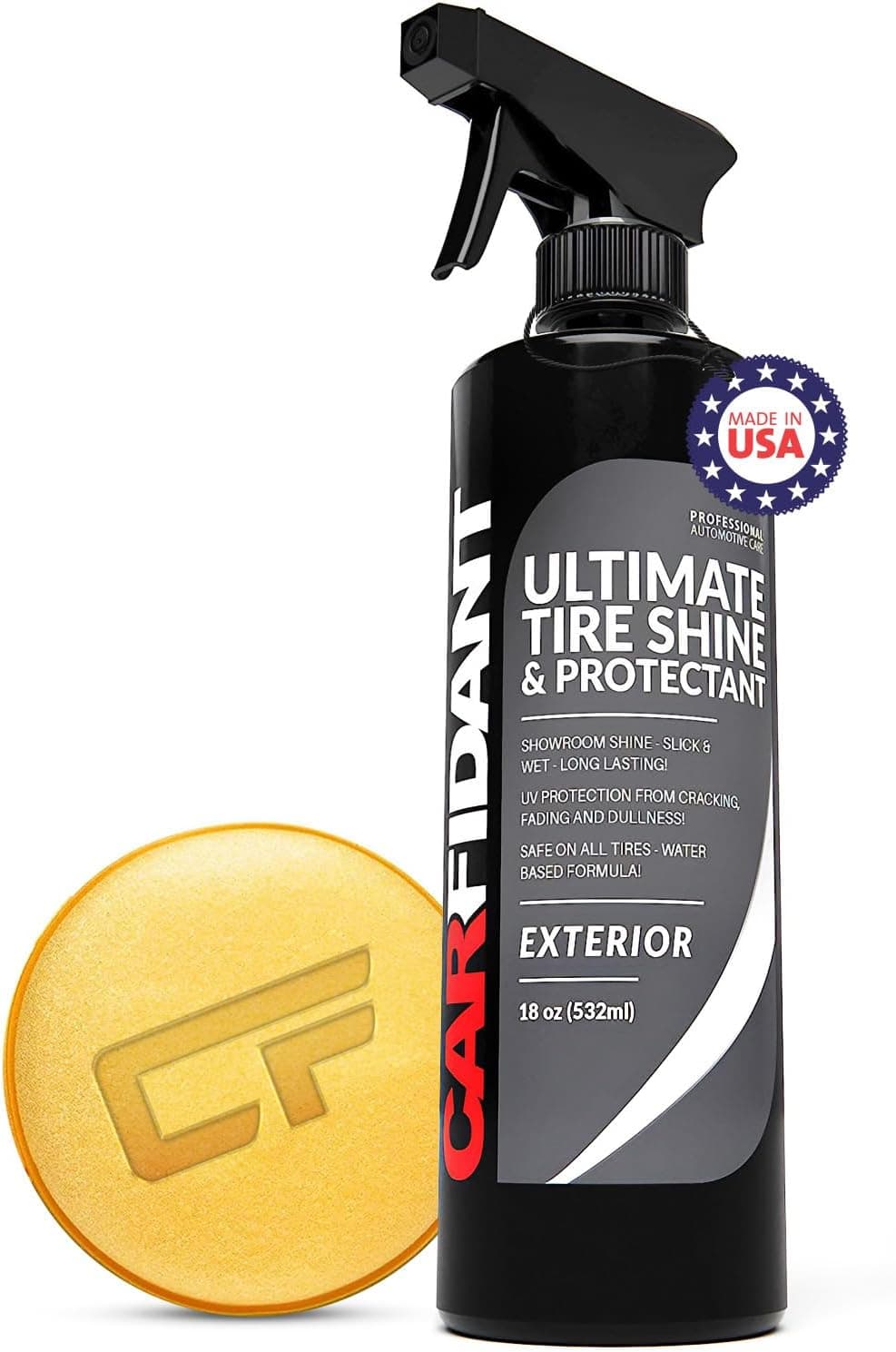
Do not forget the tires and wheel wells. Scrub the tire sidewalls with an all-purpose cleaner and a dedicated stiff tire brush to remove old dressing and brown oxidation, which is what makes tires look permanently gray. Rinse the arches and inner wells too. A clean tire takes dressing better and the whole wheel area looks sharper when the rubber is genuinely clean rather than just coated.
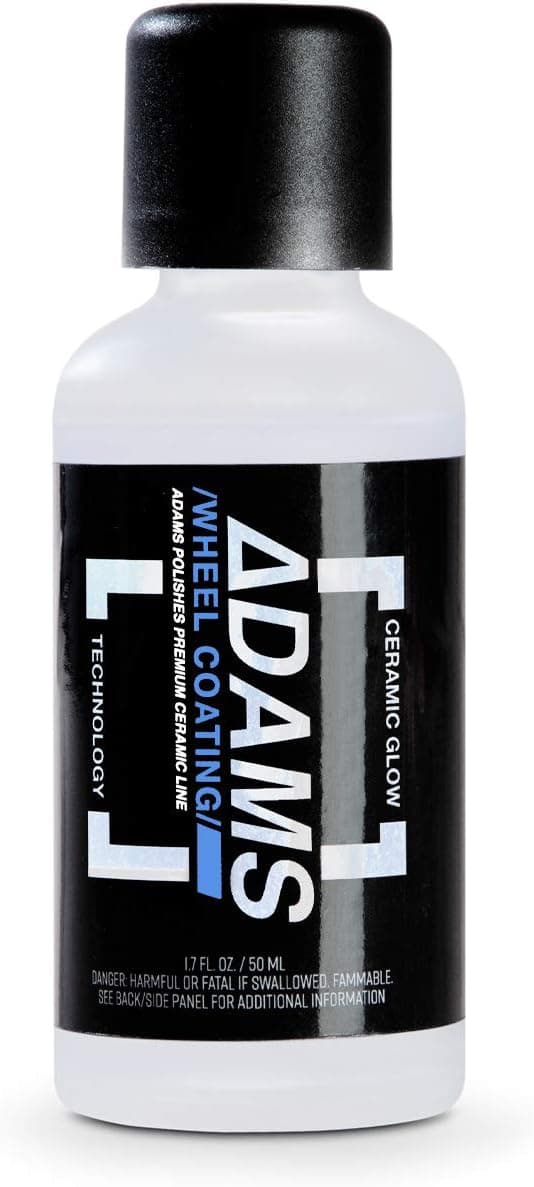
Rinse thoroughly, dry with a dedicated wheel microfiber, and consider protection. A wheel sealant or ceramic wheel coating makes future cleaning dramatically easier by stopping brake dust from bonding in the first place, so grime rinses off with far less effort. Reapply as needed, and your wheels will stay bright with minimal scrubbing rather than becoming a dreaded chore every wash.
Products from this article
The highest-scoring picks from the buying guides mentioned above. Scores are our editorial assessment, not customer ratings.
+ Big and little sizes cover wide barrels and narrow spoke gaps
From our guide: Best Wheel and Tire Cleaners
+ UV tracer shows coverage under a blacklight so you do not miss spots
From our guide: Best Wheel Sealants
+ 750ml bottle gives plenty of product for full paint and wheel decon
From our guide: Best Iron Removers for Cars and Wheels
+ Black satin finish looks rich without the wet, greasy shine some dislike
From our guide: Best Wheel and Tire Cleaners
Popular right now
- Best Finishing Polishes for Maximum Gloss and ClarityBuying guide
- Best Spray Ceramic CoatingsBuying guide
- Cleaning Car Carpets and Fabric UpholsteryArticle
- Best Cutting Compounds for Removing Deep ScratchesBuying guide
- Best Car Scratch RemoversBuying guide
- Interior Detailing Step by StepArticle
Based on the last 28 days of search and visitor data.