The Two-Bucket Wash Method Explained
Published How we research
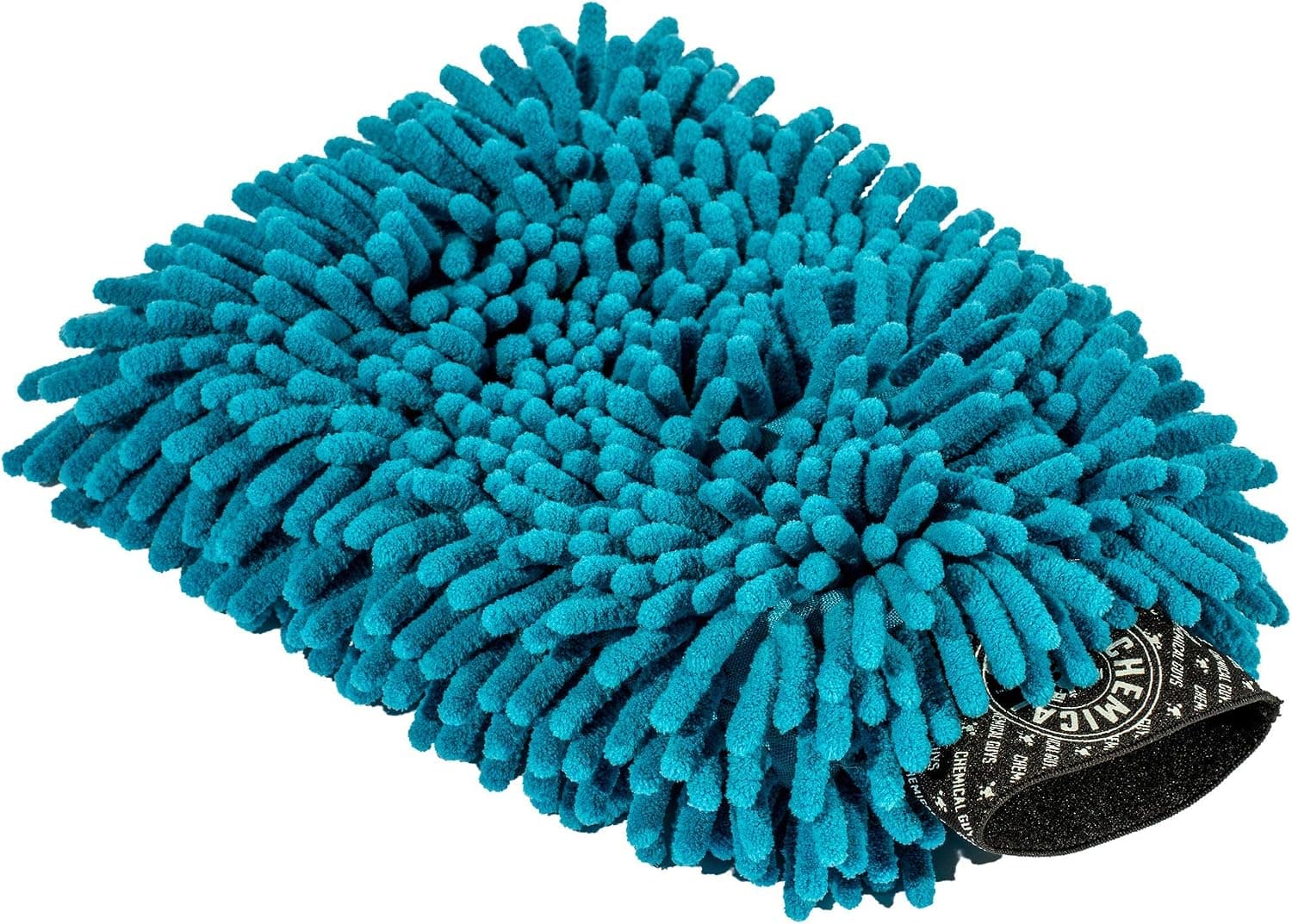
The two-bucket method separates soapy wash water from a plain rinse bucket, so you dunk and agitate the mitt in the rinse bucket before reloading it with soap, keeping lifted grit from grinding back into the paint. Grit guards in each bucket trap sediment below the mitt's reach. Wash top to bottom since lower panels carry heavier grime, using straight-line front-to-back motions rather than circles, which create swirl marks. Rinse each panel before soap dries to avoid water spots, then dry with a plush microfiber towel rather than air drying. This habit is the foundation that makes every later detailing step last longer. Most swirl marks and fine scratches in car paint do not come from car washes or parking lots. They come from the wash itself, specifically from grinding grit back into the clear coat with a dirty mitt. The two-bucket wash method exists to break that cycle. It is the single biggest upgrade a home detailer can make, and it costs almost nothing beyond a second bucket.
Products from this article
The highest-scoring picks from the buying guides this article links to. Scores are our editorial assessment, not customer ratings.
+ Mix of mitt and pad lets you choose grip or flat pressure for different panels
From our guide: Best Wash Mitts, Buckets and Grit Guards
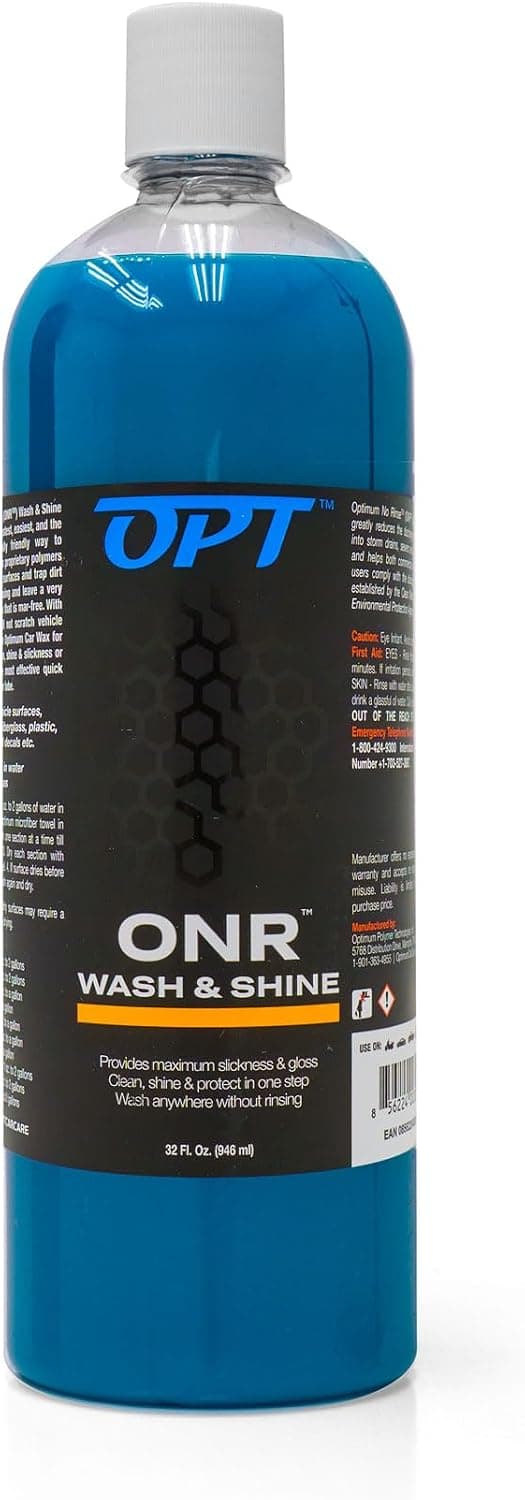
+ Concentrate dilutes into many buckets, so one bottle lasts a long time
From our guide: Best Rinseless Car Wash Solutions for Low-Water Detailing
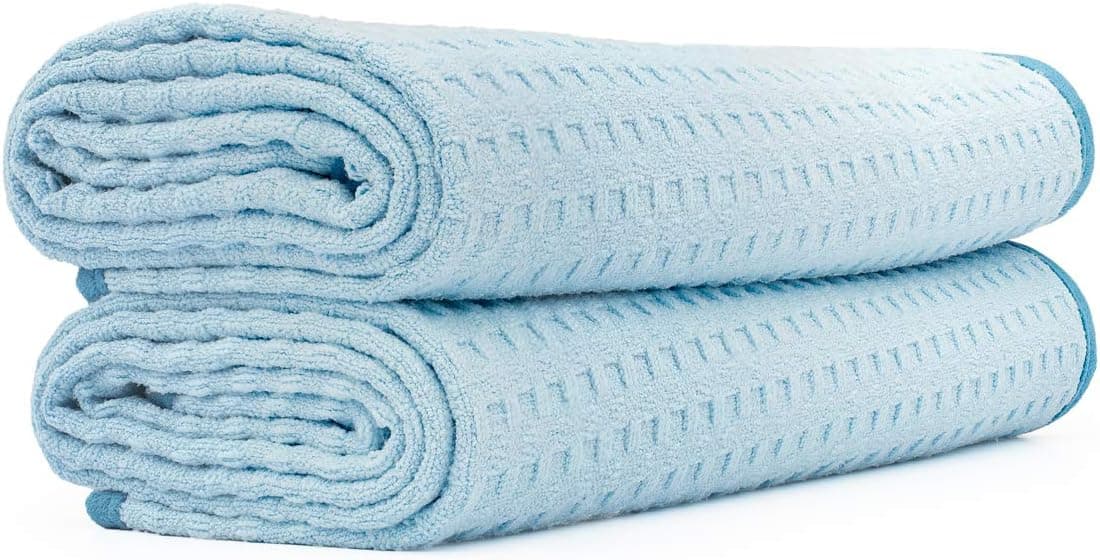
+ 70/30 blend balances absorbency with a soft touch on paint
From our guide: Best Car Drying Tools
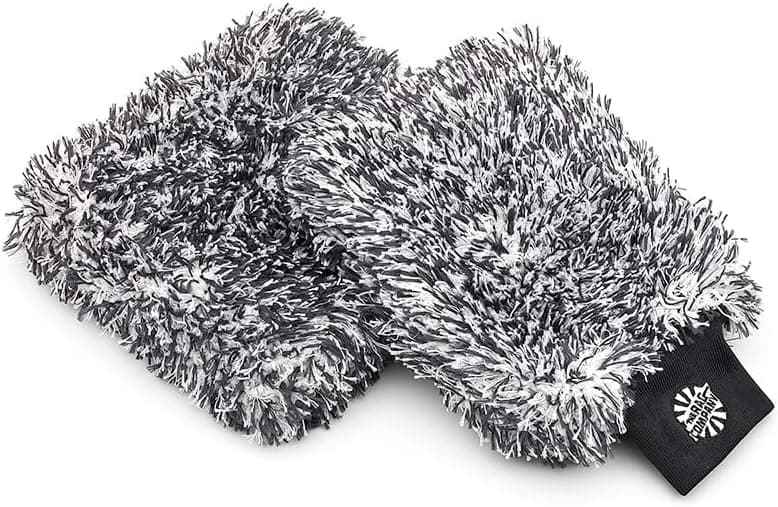
+ Gauntlet cuff covers the wrist, so soapy water drips down your arm less
From our guide: Best Wash Mitts, Buckets and Grit Guards

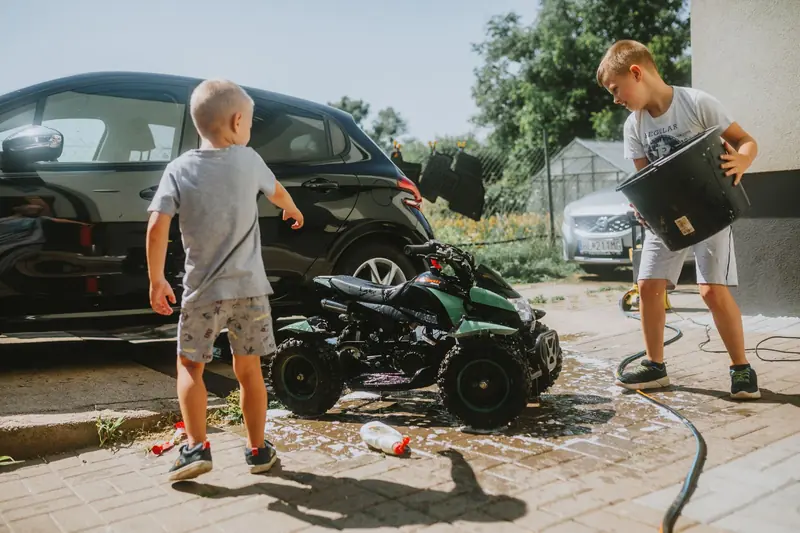
The idea is simple: separate clean and dirty water
The idea is simple. You use two buckets instead of one. The first holds your soapy wash solution. The second holds plain rinse water. Every time you finish wiping a section of the car, you plunge your wash mitt into the rinse bucket first, agitate it to release the dirt, and only then dip back into the clean soap bucket. That way the abrasive contamination you just lifted off the paint ends up sitting at the bottom of the rinse bucket instead of riding back onto your panels.
Grit guards and the right mitt matter too
To do it properly you want two grit guards, one for each bucket. A grit guard is a plastic grate that sits in the bottom and traps sediment below it, so when you dunk your mitt the debris stays down rather than swirling back up. Pair that with a quality microfiber or lambswool wash mitt, never an old sponge or towel, because those hold grit against the paint instead of letting it flow away from the surface.
Wash from the top down, one panel at a time
Start by rinsing the whole car thoroughly to knock off loose dirt before any contact. Then wash from the top down. The roof, glass, and upper panels are always cleanest, while the lower doors, rockers, and bumpers carry the heaviest grime. Working top to bottom means you are not dragging lower-body filth across cleaner paint. Do one panel at a time, rinse the mitt in the second bucket after each, and reload with soap.
Use straight-line motions, not circles
Use straight-line motions, front to back, rather than circles. Circular wiping is exactly what creates the spiderweb swirl pattern you see under direct sun. Straight passes still leave marring if you are careless, but any marks are far less visible and easier to correct later. Keep the mitt gliding with plenty of lubrication from the soap and never press hard.
Water quality and drying matter too
Water quality and drying matter too. Rinse each panel before the soap dries, especially on a warm day, to avoid water spots baking into the surface. When you are done, do a final sheeting rinse by letting water flow off the panels, then dry with a clean plush microfiber or a dedicated drying towel rather than letting the car air dry.
This method is the foundation everything else builds on
The two-bucket method is not glamorous, but it is the foundation everything else builds on. A clay treatment, a polish, or a ceramic coating will all last longer and look better if your regular maintenance wash is not quietly scratching the paint every week. Get this habit right first, and the rest of your detailing results improve automatically.
Frequently asked questions
Why does the two-bucket wash method prevent scratches? It separates clean soapy water from a rinse bucket, so dirt lifted off the paint by the mitt gets released in the rinse bucket instead of riding back onto the panels on the next dip.
What is a grit guard used for in car washing? A plastic grate that sits in the bottom of each bucket and traps sediment below it, so when you dunk your mitt the debris stays down rather than swirling back up onto the mitt.
Should you wash a car in circles or straight lines? Straight lines, front to back, since circular wiping is exactly what creates the spiderweb swirl pattern visible under direct sun, while straight passes leave marks that are less visible and easier to correct.
What order should you wash car panels in? Top to bottom, since the roof, glass, and upper panels are always cleanest while lower doors, rockers, and bumpers carry the heaviest grime, so washing top-down avoids dragging filth across cleaner paint.
Popular right now
- Best Cordless Car PolishersBuying guide
- Best Clay MittsBuying guide
- Best Rinseless Car Wash Solutions for Low-Water DetailingBuying guide
- Best Finishing Polishes for Maximum Gloss and ClarityBuying guide
- Car Detailing Dilution Ratio ChartArticle
- How to Remove Tree Sap and Leaf Stains in FallArticle
Based on the last 28 days of search and visitor data.