Applying Spray Wax and Quick Detailer the Right Way
Published How we research
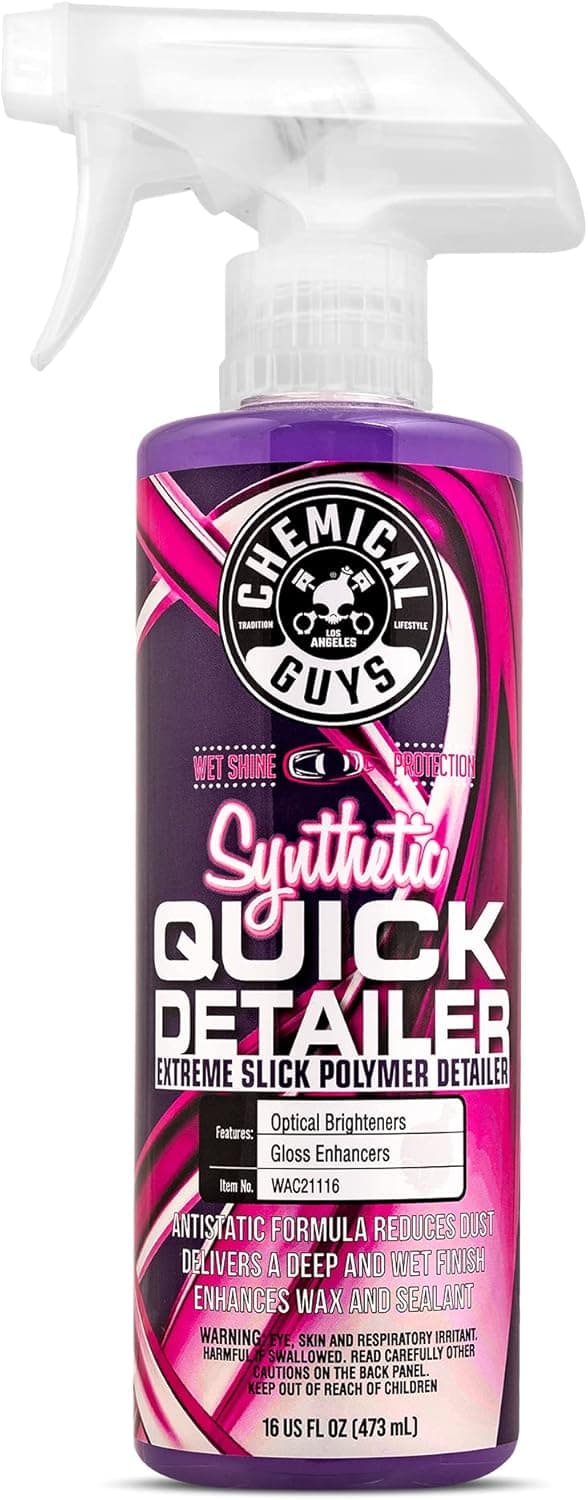
A quick detailer is a light lubricating spray for removing fresh dust and fingerprints between washes; a spray wax lays down a thin layer of protection to extend your existing wax or coating. Use either one only on genuinely clean paint, work in the shade one section at a time, mist a light layer, and buff with a plush clean microfiber, flipping it often. Less product is more: over-applying is what causes streaks and smearing. Spray waxes and quick detailers are the fastest way to boost gloss and top up protection without a full detailing session. They live in the same bottle-and-towel category but serve slightly different purposes, and using them correctly is the difference between a slick, glossy finish and a streaky, smeared mess. Both reward a light touch and clean towels.
Quick detailer vs spray wax
Understand the distinction first. A quick detailer is a light lubricating spray designed to remove fresh dust, fingerprints, and light contamination between washes, adding a little gloss and slickness in the process. A spray wax, sometimes sold as a spray sealant, is more focused on laying down a thin layer of protection, extending the life of your existing wax or coating. Many products blur the line, but the mindset is cleaning versus protecting.
Only use them on a clean surface
The cardinal rule for both is to only use them on a genuinely clean surface. Spraying a quick detailer onto a dusty, gritty panel and wiping means dragging that grit across your clear coat, which causes exactly the swirl marks you are trying to avoid. If the car is more than lightly dusty, rinse or wash it first. Quick detailers are for maintaining an already-clean car, not for cleaning a dirty one.
Working in the shade, one section at a time
Work in the shade on a cool panel, one section at a time. Mist a light, even layer onto the surface, or onto your microfiber for more control, then spread and wipe with minimal pressure. Use a plush, clean microfiber to spread the product and a second clean towel to buff it to a clear, streak-free shine. Flip and rotate your towels often so you are always working with a clean, dry face.
Less product is more
Less product is more. The most common mistake is over-applying, which leaves smears and streaks that are tedious to buff out and can attract dust. A few mists per panel is plenty. If you see streaking, you likely used too much product or your buffing towel was already saturated. Switch to a fresh dry towel and lighten the application, and the streaks will clear right up.
Application order and conditions
Application order and conditions matter. Avoid using these products in direct sun or on hot panels, where they flash and dry before you can buff them, causing hazing. Do the glass separately with a proper glass cleaner rather than spray wax, since wax on glass can smear and impair visibility. Keep the product off matte finishes and textured trim unless it is specifically labeled safe for them.
When these sprays shine
Used well, these sprays are perfect for a mid-week refresh, drying aids applied during a wash, or a fast pre-show wipe down. They are not a substitute for a real wax, sealant, or coating, but they extend and enhance that base protection while keeping the car looking freshly detailed. Keep a bottle and a few clean towels handy, use them sparingly on clean paint, and you can maintain a glossy finish in just a few minutes at a time.
Frequently asked questions
What is the difference between quick detailer and spray wax? A quick detailer is for cleaning light dust and fingerprints between washes; a spray wax (or spray sealant) is for adding a thin layer of protection over your existing wax or coating.
Why is my spray wax leaving streaks? You used too much product or your buffing towel was saturated. Switch to a fresh dry microfiber and lighten the application, and the streaks clear up.
Can I use a quick detailer on a dusty car? No. Wiping a dusty panel drags grit across the clear coat and creates the swirl marks you are trying to avoid. Rinse or wash first; quick detailers maintain an already-clean car.
Can spray wax replace a real wax or coating? No. It extends and enhances a base of wax, sealant, or coating for a mid-week refresh, but it is not a substitute for that base protection.
Products from this article
The highest-scoring picks from the buying guides mentioned above. Scores are our editorial assessment, not customer ratings.
+ 32 Oz bottle lowers cost per use for frequent detailers
From our guide: Best Quick Detailer Sprays
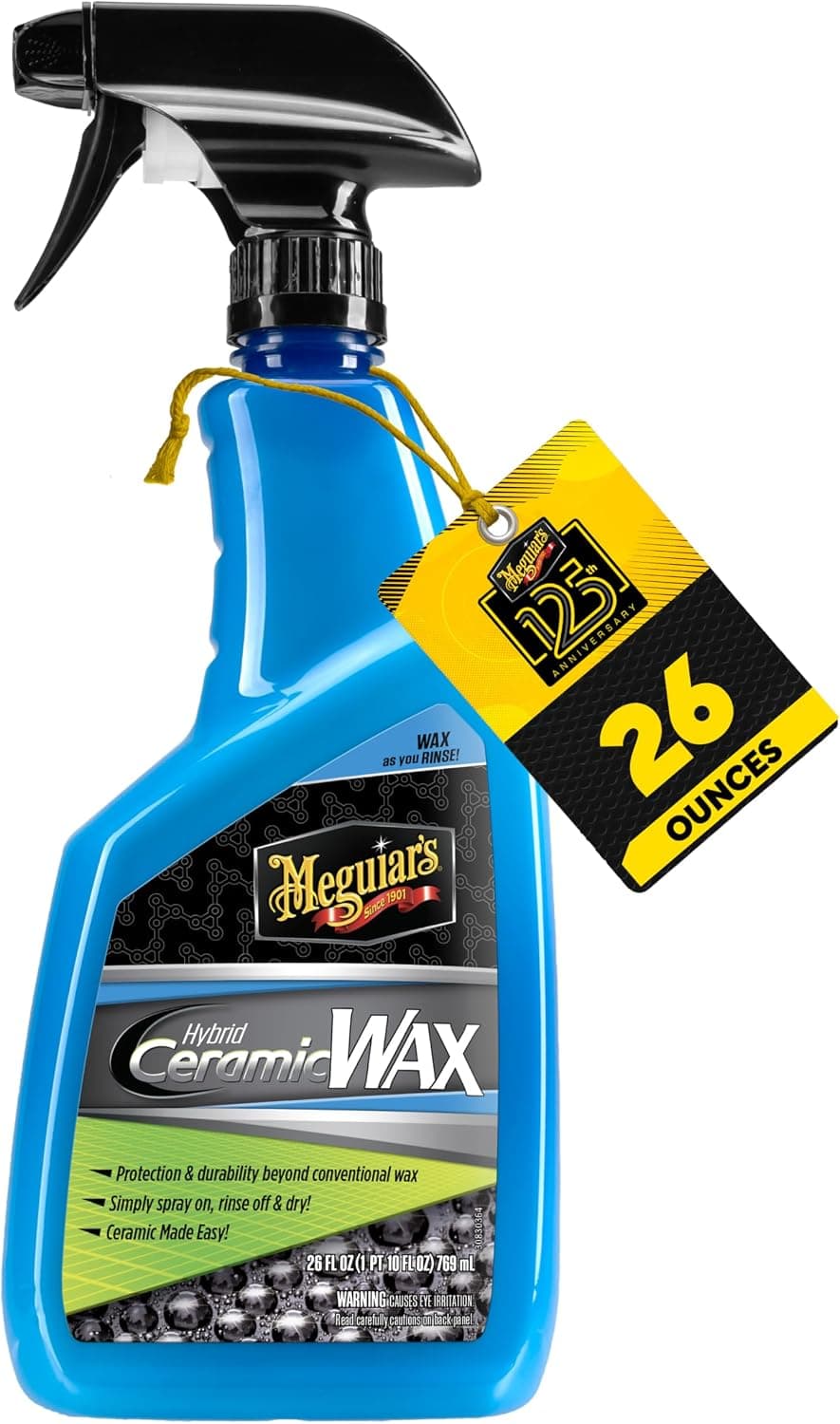
+ SiO2 Technology adds strong water beading for a spray product
From our guide: Best Spray Waxes
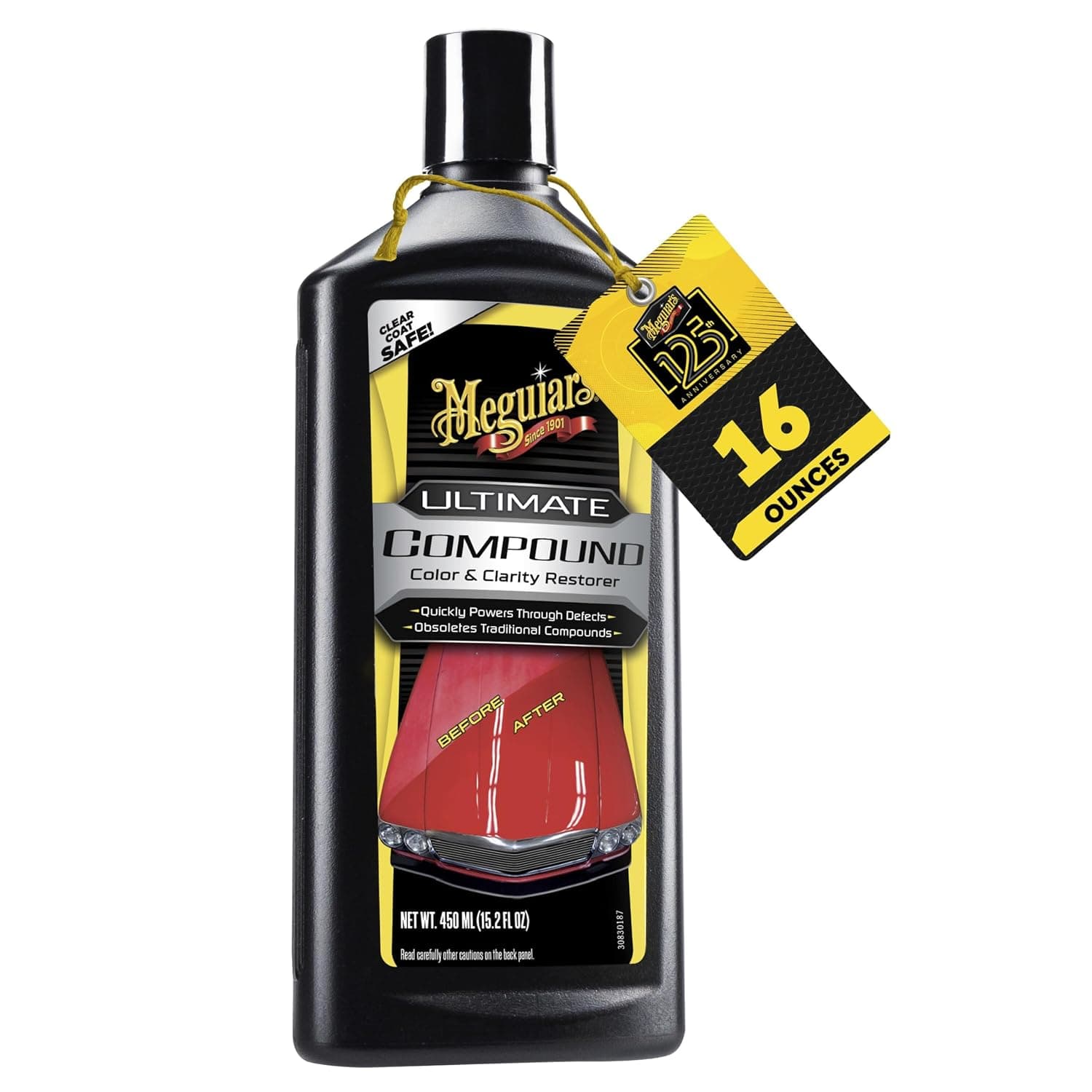
+ Pro-grade cut handles oxidation, swirls and moderate scratches
From our guide: Best Car Scratch Removers
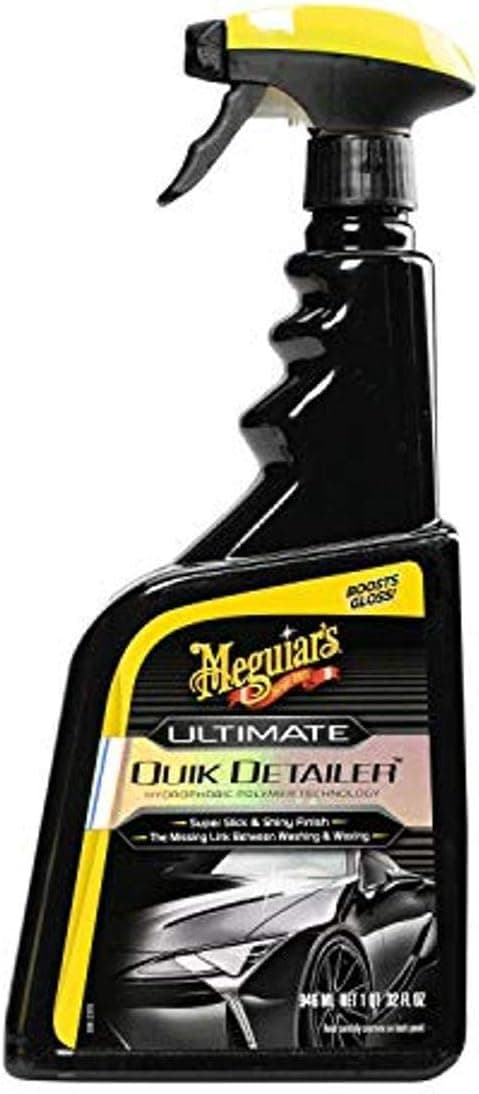
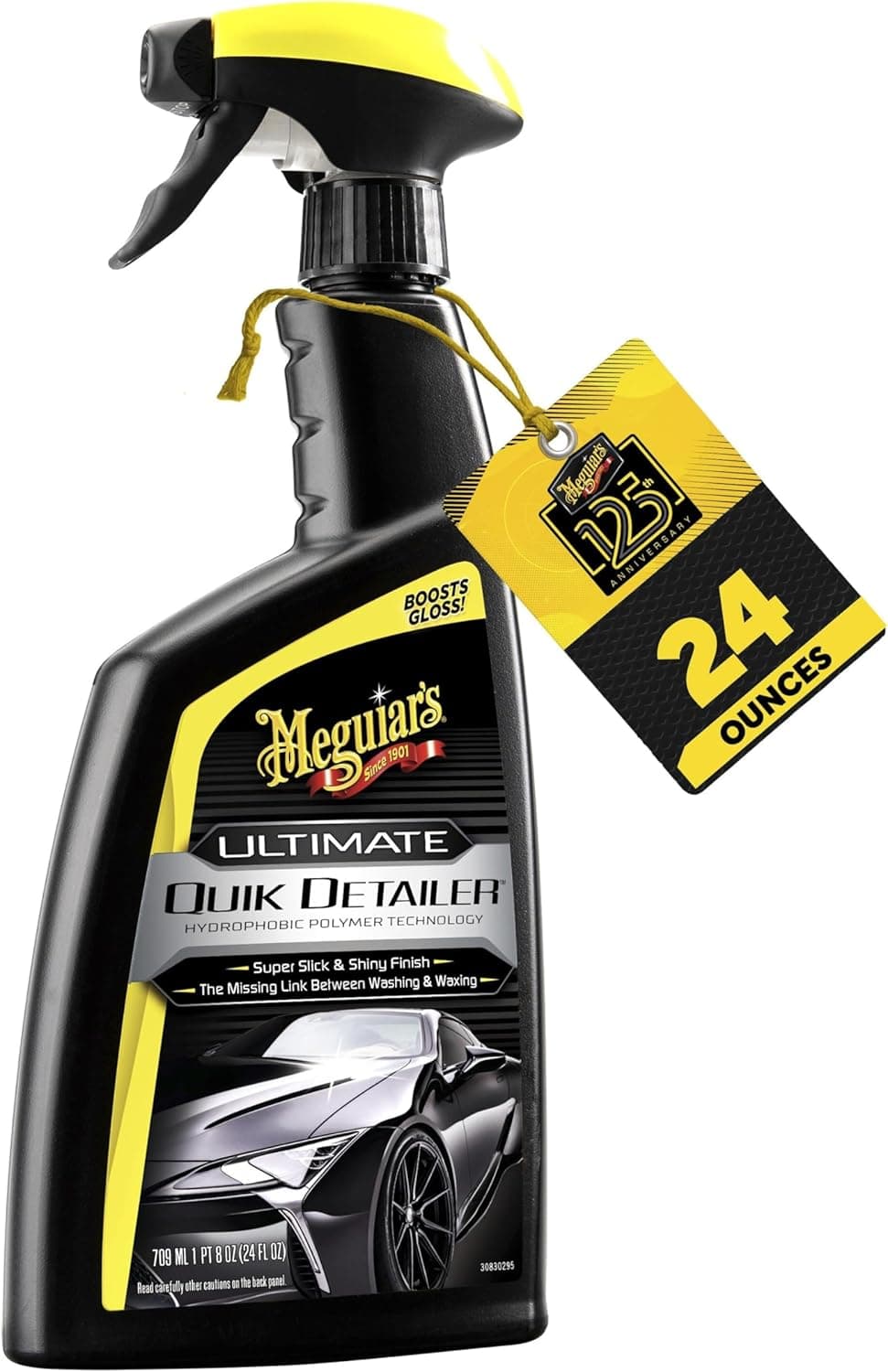
+ Ultimate Quik Detailer is a common favorite for fast touch-ups
From our guide: Best Quick Detailer Sprays
Popular right now
- Best Finishing Polishes for Maximum Gloss and ClarityBuying guide
- Best Spray Ceramic CoatingsBuying guide
- Cleaning Car Carpets and Fabric UpholsteryArticle
- Best Cutting Compounds for Removing Deep ScratchesBuying guide
- Best Car Scratch RemoversBuying guide
- Interior Detailing Step by StepArticle
Based on the last 28 days of search and visitor data.