Decontaminating Paint With Clay
Published How we research
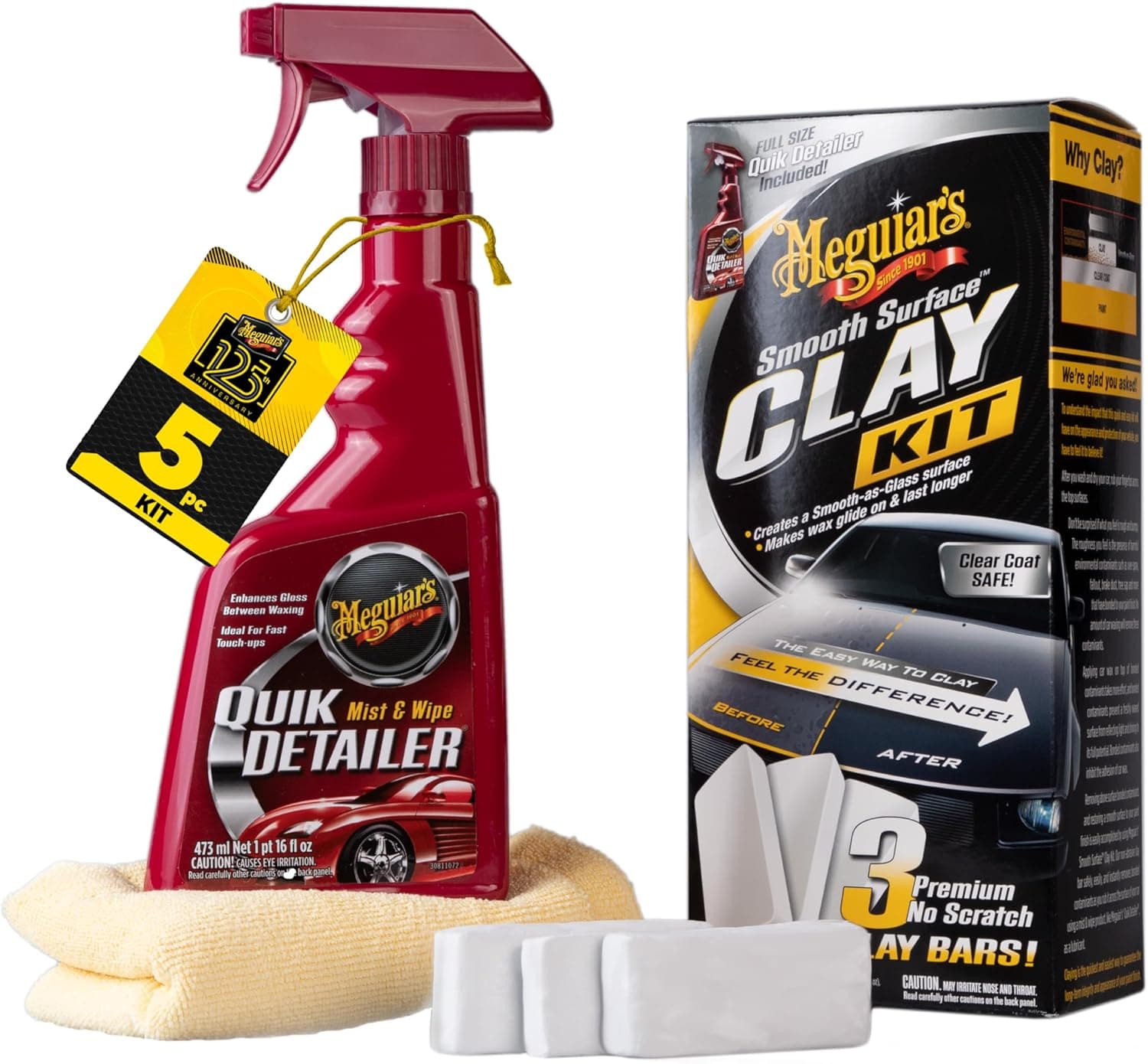
Run your fingers over your car's paint after a normal wash and you will often feel a faint roughness, like fine sandpaper. That texture is bonded contamination, tiny particles of industrial fallout, rail dust, tar, and mineral deposits that have physically embedded into the clear coat. Soap and water cannot remove them because they are stuck below the surface line. Claying is how you pull them out.
Claying uses a mildly abrasive, tacky bar or mitt that glides across a lubricated surface and grabs anything protruding above the paint. As it passes over an embedded particle, the clay shears it off and traps it inside itself. The result is glass-smooth paint that feels slick and looks noticeably clearer. It is one of the most satisfying steps in detailing because the improvement is immediate and easy to feel.
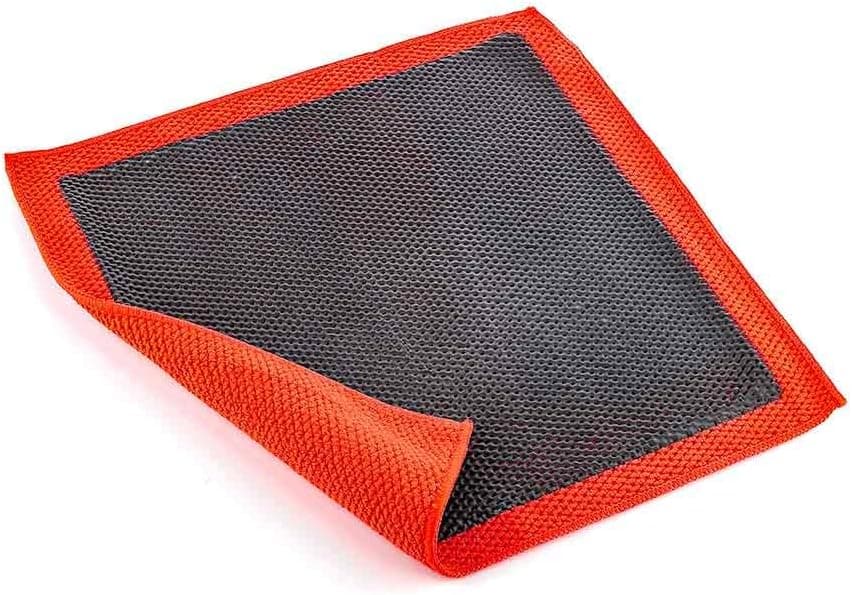
You will need a clay bar or a clay mitt, plus plenty of clay lubricant, which can be a dedicated product or a generous quilt of soapy water. Never clay a dry panel. The lubricant is what keeps the clay from marring the surface, letting it float rather than drag. Clay mitts and towels are faster and reusable across a whole car, while traditional bars are gentler and let you knead a fresh clean face when one side loads up with grime.
Start with a properly washed car so loose dirt is gone. Work one small section at a time. Spray it generously with lubricant, then glide the clay back and forth in straight lines with light pressure. At first you will feel it grabbing and dragging over the contamination. As the section cleans up, the clay slides freely and quietly, which is your signal that the area is done. Wipe off the residue with a clean microfiber and move on.
Inspect and knead frequently. With a clay bar, fold and reknead it often to expose a clean surface, because a face full of trapped grit can scratch. If you ever drop a clay bar on the ground, throw it away without hesitation. It will have picked up coarse grit that will instantly scratch your paint, and no amount of lubricant makes that safe. Clay mitts can be rinsed clean, which is one reason many detailers prefer them.
Claying is mildly abrasive, so it can induce very light marring on soft paint even when done correctly. That is why claying is usually paired with a follow-up polish or at least done before applying protection. It also strips existing wax or sealant, leaving the paint bare. Plan to reprotect afterward with a wax, sealant, or coating so the freshly cleaned surface is not left exposed.
Most cars only need claying once or twice a year, or before any correction or coating job. Do it as the step between washing and polishing, and you will notice that every product you apply afterward bonds better and looks glossier. Smooth paint is the foundation of a flawless finish, and clay is the tool that gets you there.
Products from this article
The highest-scoring picks from the buying guides mentioned above. Scores are our editorial assessment, not customer ratings.
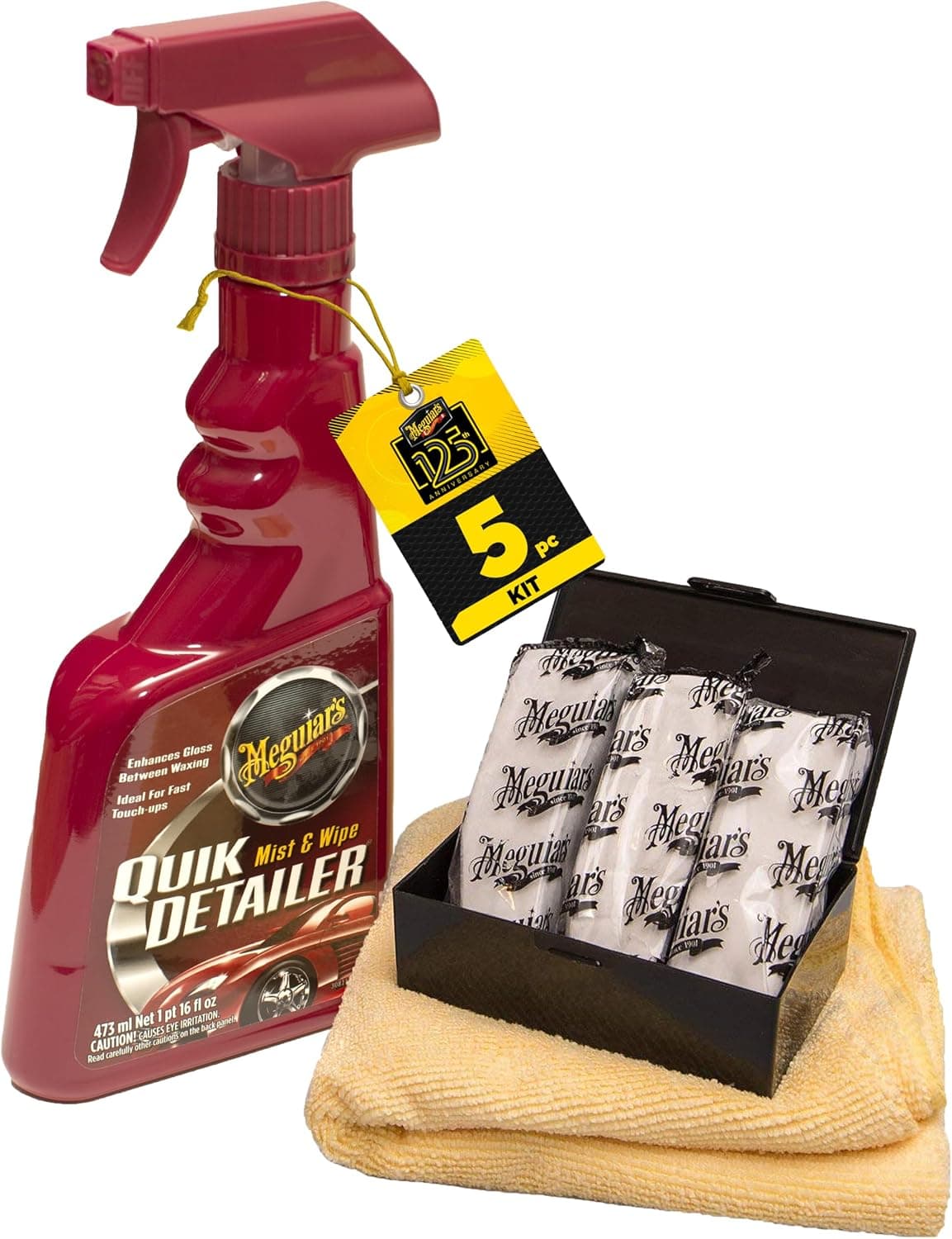
+ 240 Grams of Clay covers several vehicles or large trucks
From our guide: Best Clay Bars and Kits for Smooth, Decontaminated Paint
+ Fine grade clay is less likely to haze soft or dark paint
From our guide: Best Clay Mitts
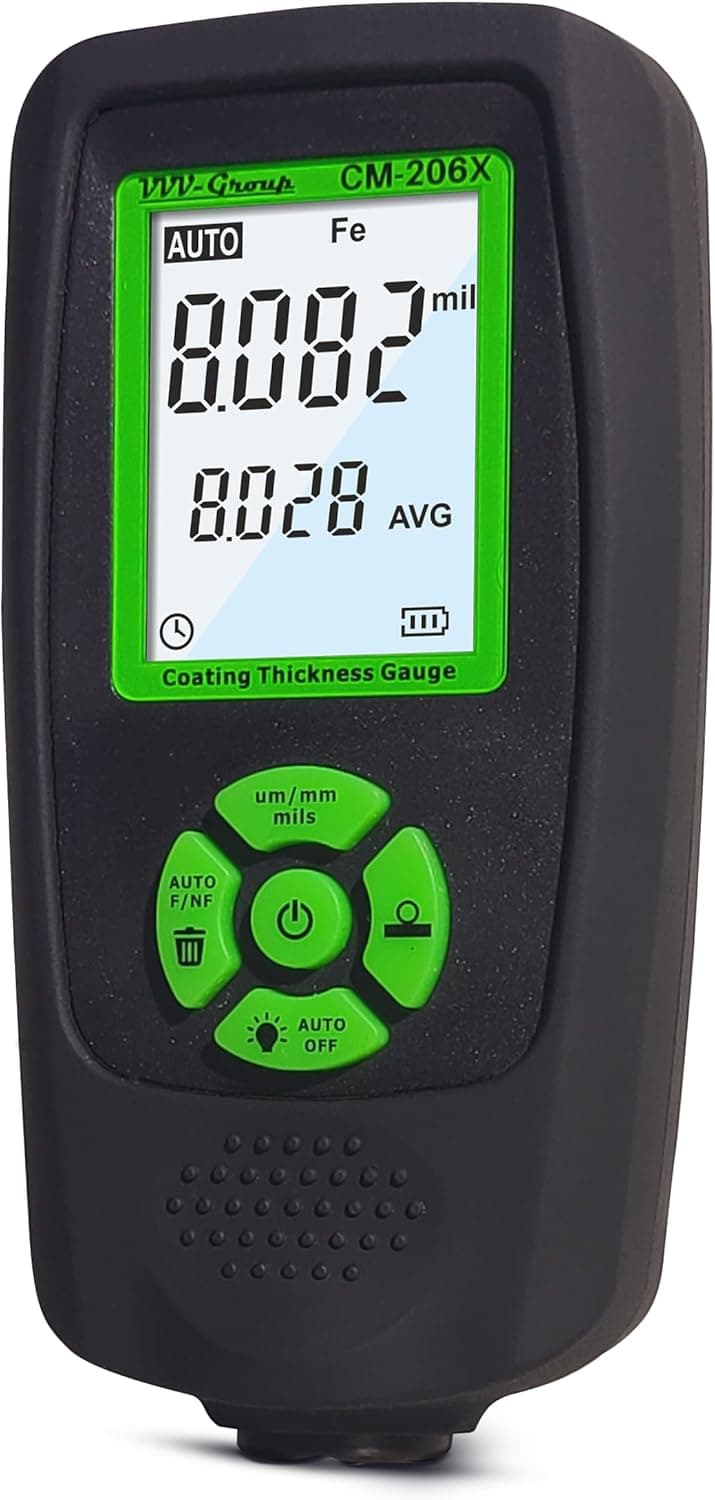
+ Ruby probe resists wear, keeping readings consistent over time
From our guide: Best Paint Thickness Gauges
+ Complete starter kit includes clay and lubricant for first-timers
From our guide: Best Clay Bars and Kits for Smooth, Decontaminated Paint
Popular right now
- Best Finishing Polishes for Maximum Gloss and ClarityBuying guide
- Best Spray Ceramic CoatingsBuying guide
- Cleaning Car Carpets and Fabric UpholsteryArticle
- Best Cutting Compounds for Removing Deep ScratchesBuying guide
- Best Car Scratch RemoversBuying guide
- Interior Detailing Step by StepArticle
Based on the last 28 days of search and visitor data.