Drying a Car Without Scratches
Published How we research
You can wash a car perfectly and still ruin the finish in the last five minutes. Drying is one of the most overlooked sources of swirl marks, because a towel dragged across paint with any grit on it acts like fine sandpaper. Yet many people rush the dry, grab whatever cloth is nearby, and scrub in circles. Learning to dry safely protects all the careful work you did washing.
Start before you even pick up a towel. A good final rinse sets up an easy dry. Remove the spray nozzle and let a low-pressure sheet of water flow over each panel from the top down. Water naturally wants to sheet off in one connected film, carrying most of the surface water with it. This technique, called sheeting, can leave the car mostly drained so you have far less to physically wipe away, and less contact means less risk.
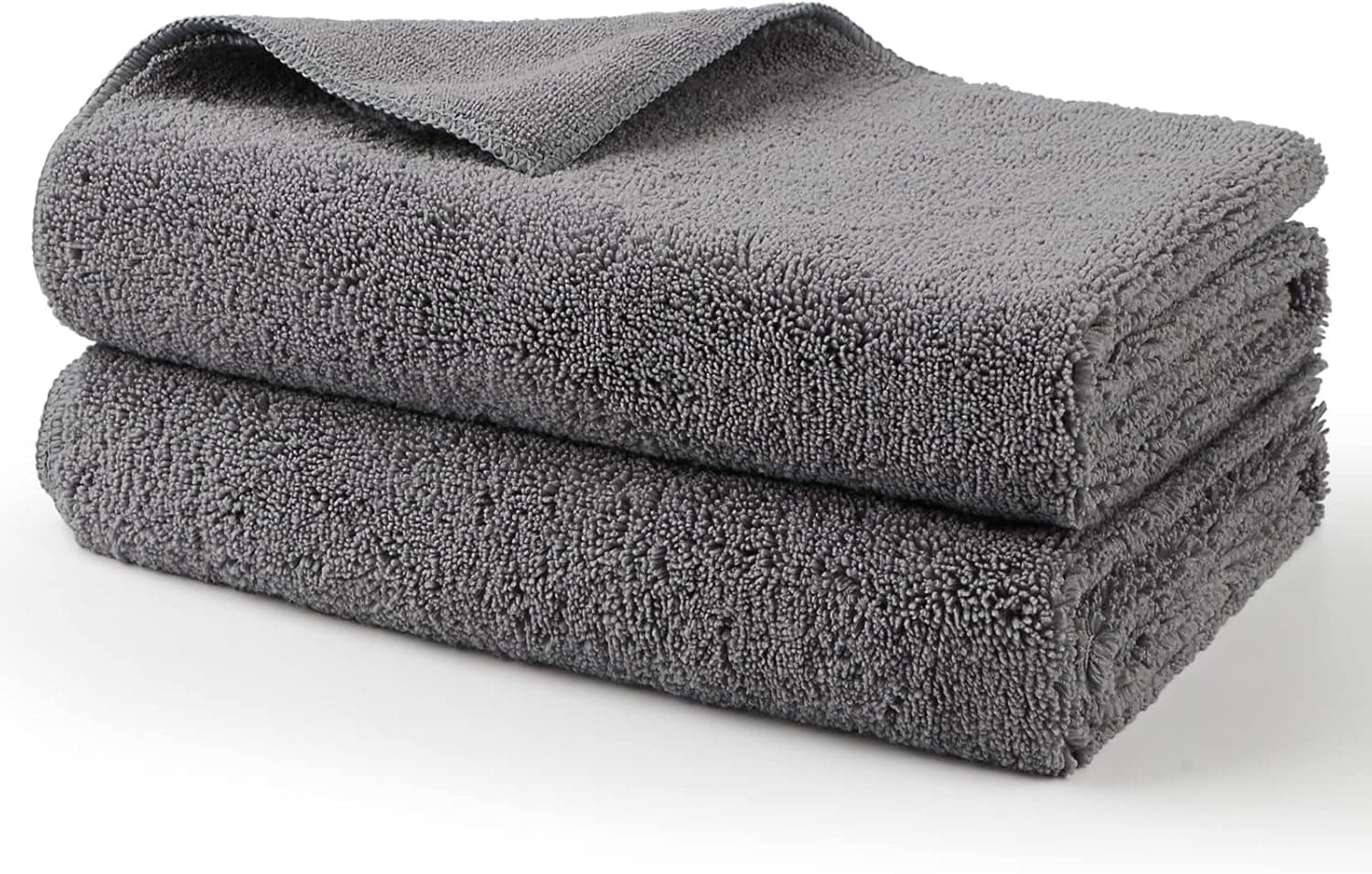
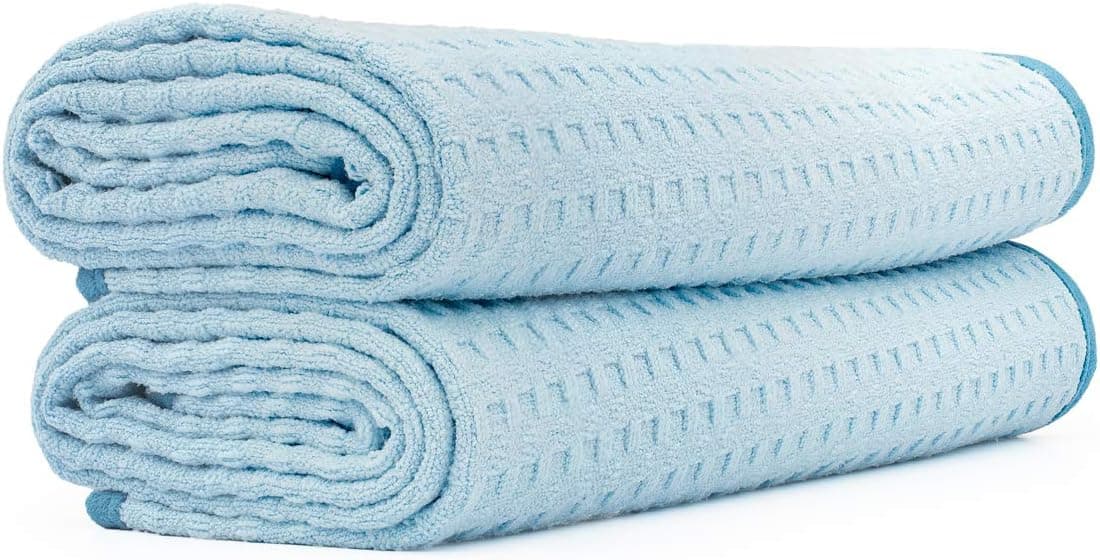
The tool you choose matters enormously. Forget old bath towels and chamois that drag and hold grit. Use a large, plush microfiber drying towel or a dedicated twist-loop drying towel, both designed to absorb huge volumes of water with minimal contact. Keep drying towels scrupulously clean and washed separately from shop rags, because a single embedded particle turns your soft towel into a scratching tool.
Use the blotting and gliding method rather than scrubbing. Lay the towel flat on a panel and gently pull it across, or simply pat it down and lift, letting the fibers pull water up rather than pushing it around. Work top to bottom, the same order as washing, since lower panels are dirtiest. Never bear down or wipe aggressively in circles. The goal is to let the towel do the absorbing while your hand simply guides it with almost no pressure.
For a truly touchless option, a dedicated car dryer or filtered air blower removes water without any contact at all. Blowers are excellent for pushing water out of mirrors, grilles, badges, trim, and door shuts, the crevices that otherwise dribble onto your clean paint minutes later. Even a leaf blower with clean, filtered air can handle the bulk before you touch anything, which is the safest approach of all for delicate or coated paint.
Work quickly and in the shade, especially on warm days or with hard water. Water left to evaporate leaves behind dissolved minerals that bake into visible water spots, which are their own kind of damage to remove later. Drying promptly panel by panel, rather than letting the whole car sit wet, prevents those spots from forming in the first place.
Finally, a light spray of quick detailer or drying aid on each panel adds lubrication so the towel glides even more freely, and it boosts gloss and protection at the same time. Combine a sheeting rinse, a clean plush towel, gentle blotting motions, and a little drying aid, and the last step of your wash becomes one of the safest instead of one of the riskiest.
Products from this article
The highest-scoring picks from the buying guides mentioned above. Scores are our editorial assessment, not customer ratings.
+ 70/30 blend balances absorbency with a soft touch on paint
From our guide: Best Car Drying Tools
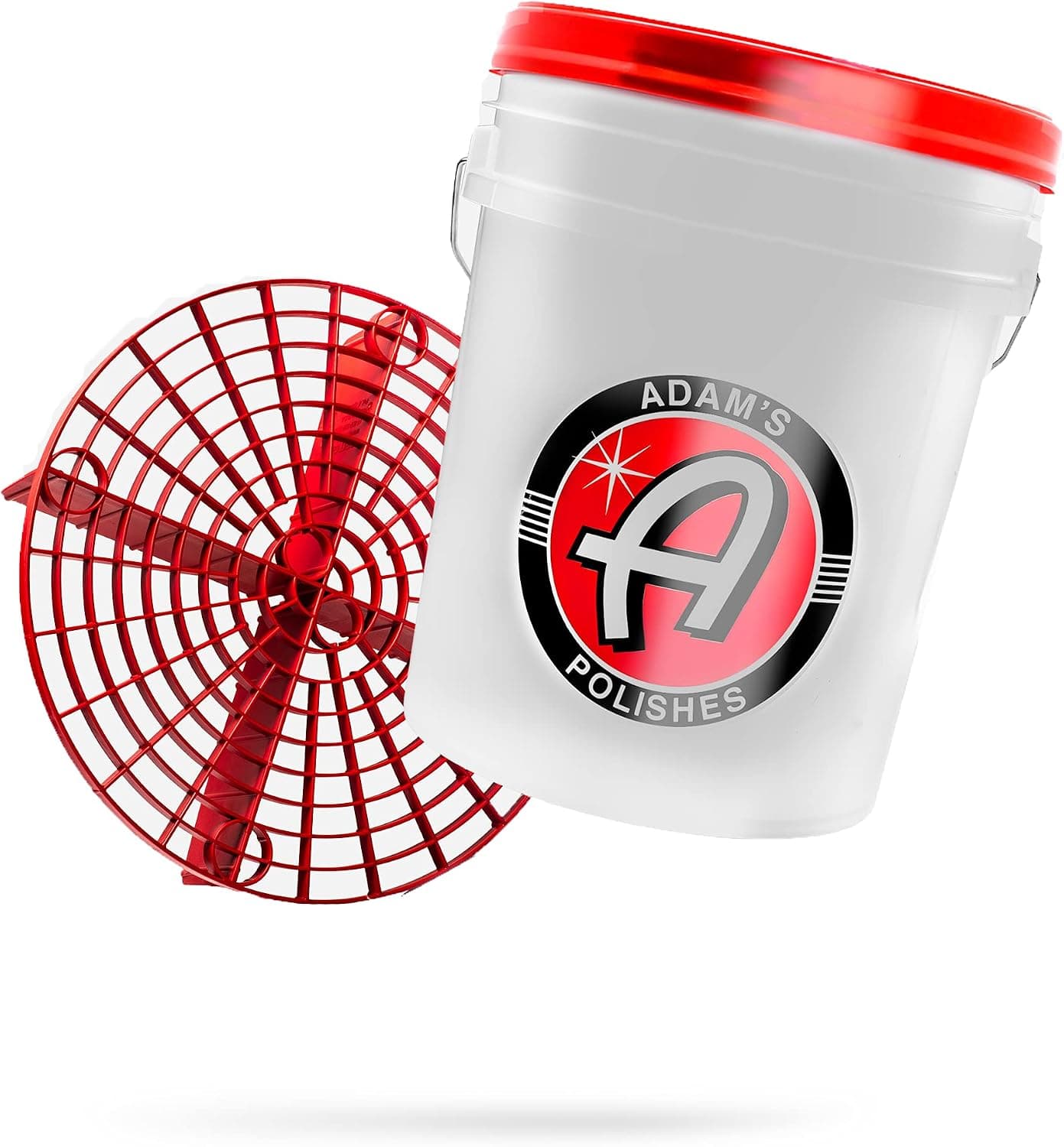
+ Grit Guard traps dirt at the bottom to reduce swirls
From our guide: Best Detailing Buckets
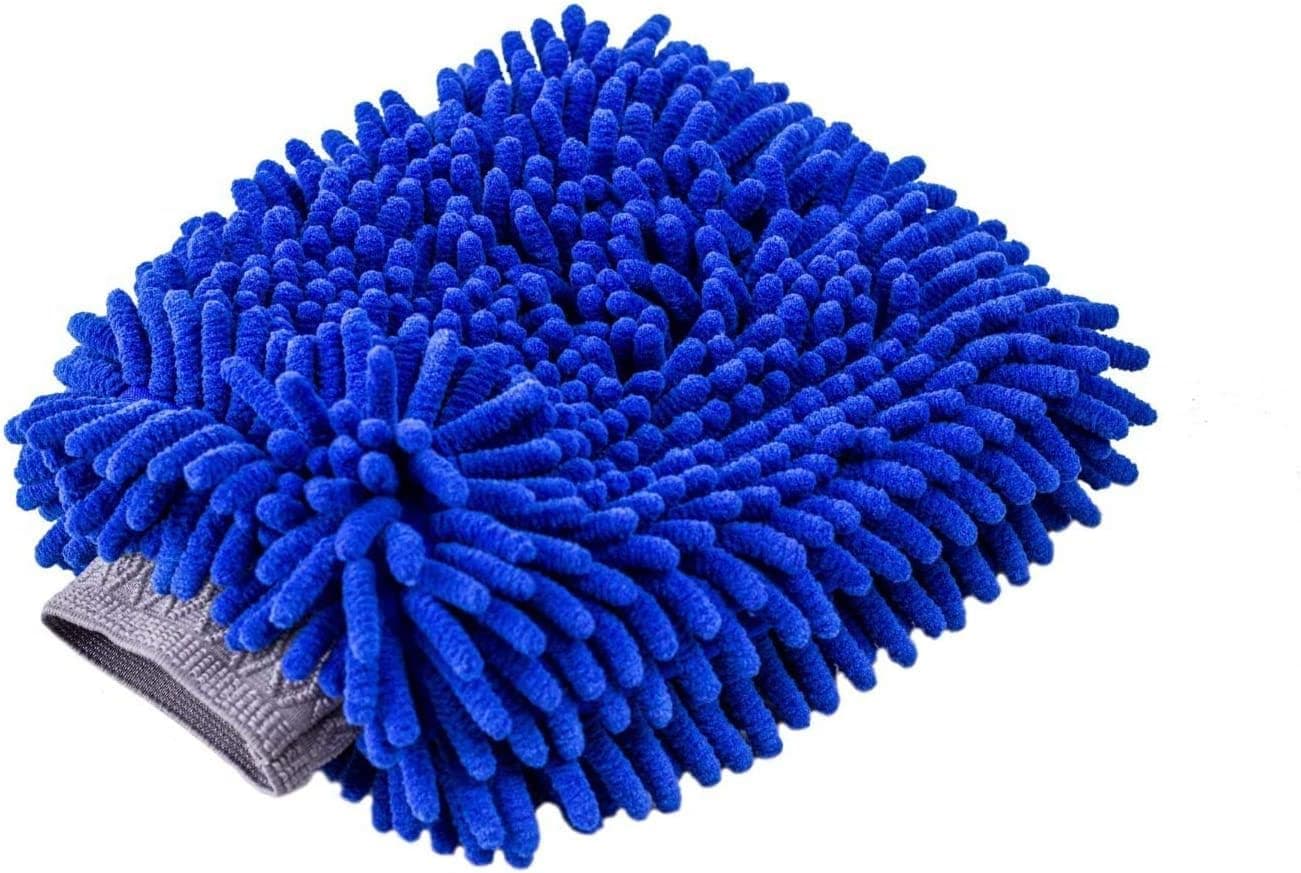
+ Chenille fingers pull dirt away from the paint surface
From our guide: Best Car Wash Mitts
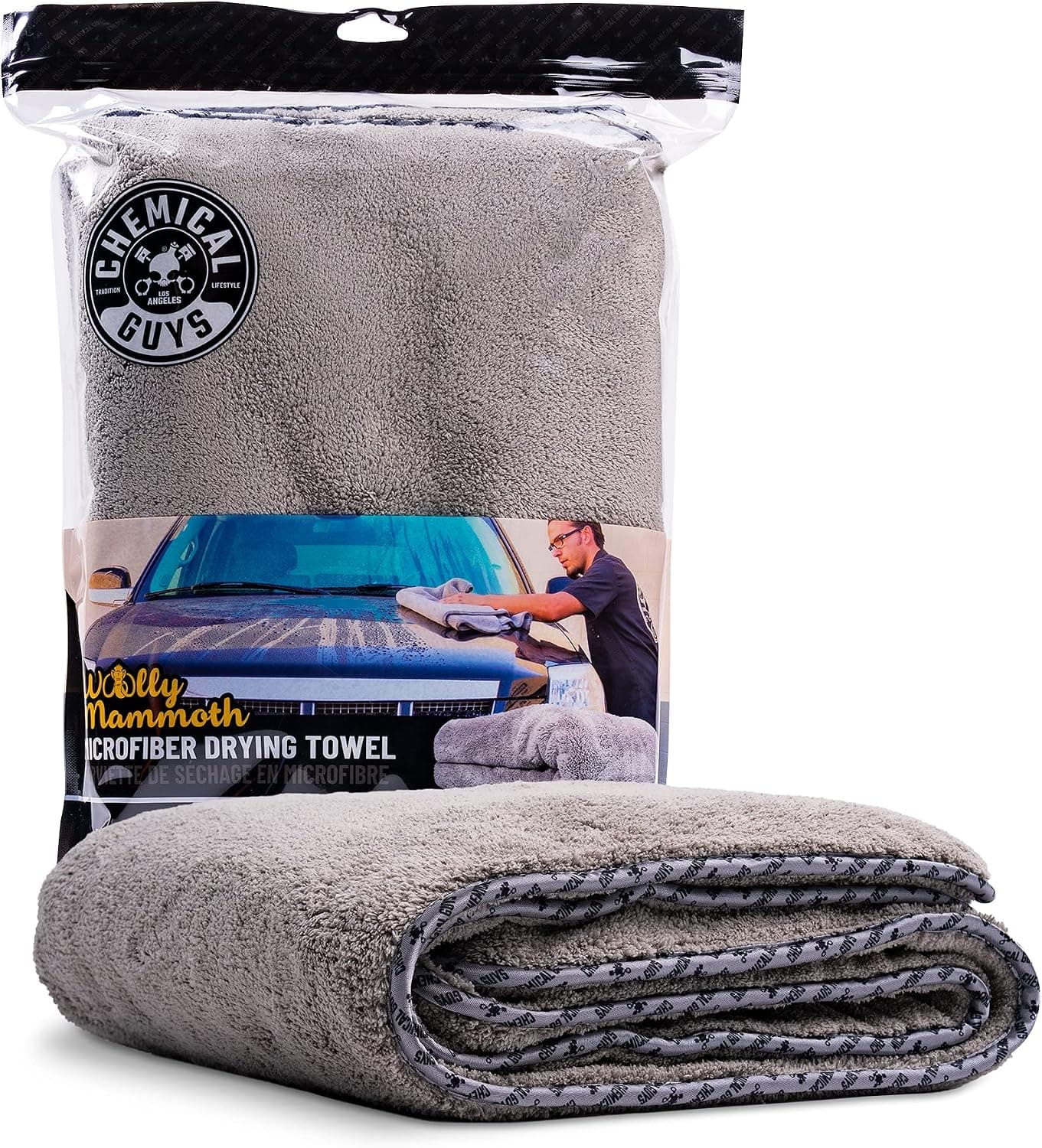
+ Thick Woolly Mammoth pile absorbs a lot before needing a wring-out
From our guide: Best Car Drying Tools
Popular right now
- Best Finishing Polishes for Maximum Gloss and ClarityBuying guide
- Best Spray Ceramic CoatingsBuying guide
- Cleaning Car Carpets and Fabric UpholsteryArticle
- Best Cutting Compounds for Removing Deep ScratchesBuying guide
- Best Car Scratch RemoversBuying guide
- Interior Detailing Step by StepArticle
Based on the last 28 days of search and visitor data.