How to Remove Swirl Marks From Car Paint
Published How we research
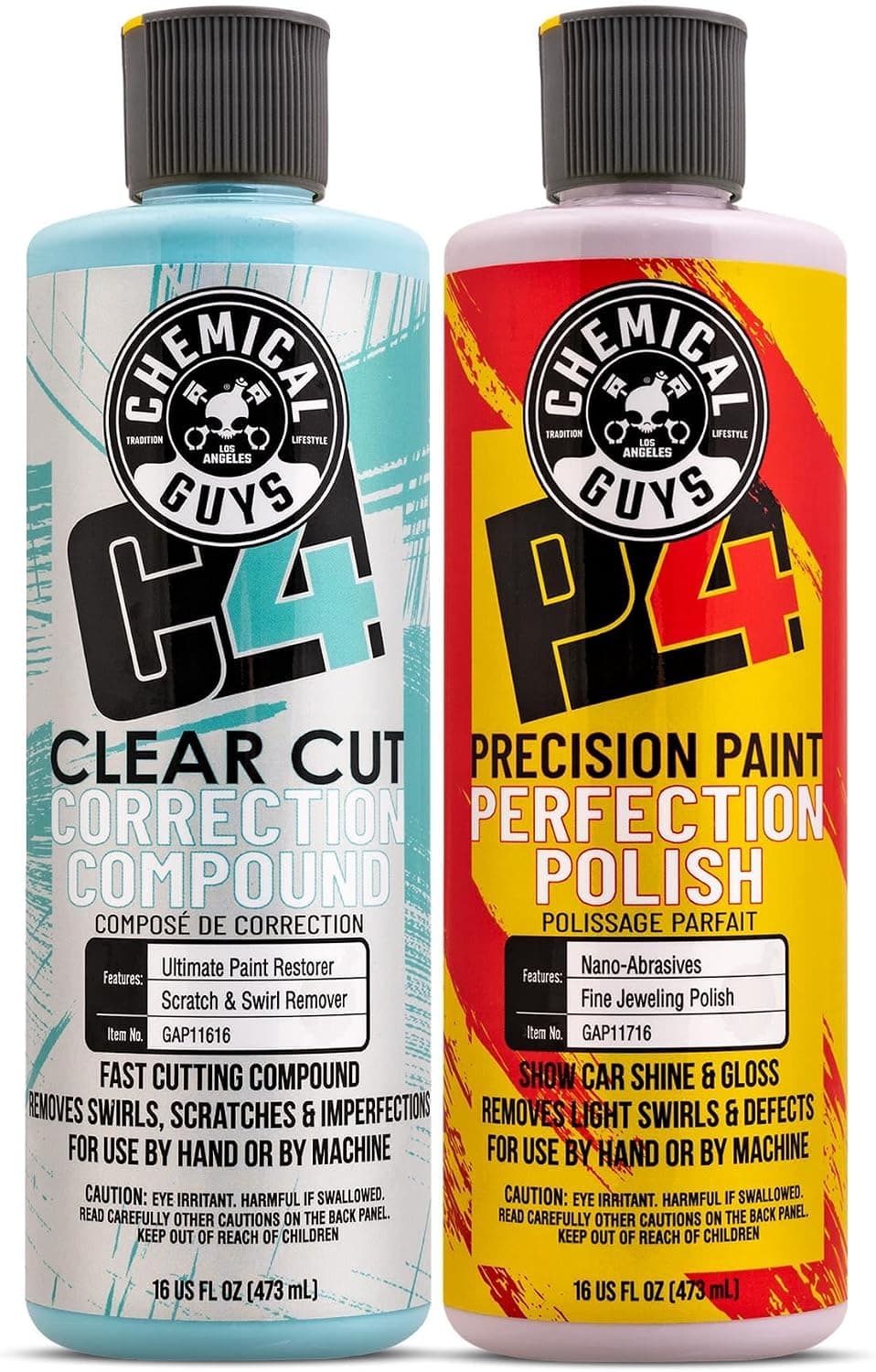
Swirl marks are fine circular scratches in the clear coat that scatter light. Filling them with glaze is temporary; true correction abrades a microscopically thin layer of clear coat flat with a polish and pad. Wash and clay first so no grit gets dragged under the pad, work in the shade on cool panels with a dual-action polisher, start with the least aggressive pad and polish that works, then protect the bare paint immediately with wax, sealant, or coating. Swirl marks are the fine, circular scratches that show up as a spiderweb halo around a light source or under direct sun. They live in the clear coat, the transparent top layer of modern automotive paint, and they scatter light instead of reflecting it cleanly. That scattering is what makes an otherwise clean car look dull and tired. The good news is that most swirls can be removed, not just hidden.
Removing vs filling swirl marks
First understand the difference between removing and filling. Some products, like glazes and certain all-in-one polishes, contain oils or fillers that temporarily mask swirls by settling into them. They look great for a few weeks until the fillers wash out. True correction means abrading a microscopically thin layer of clear coat down to the bottom of the scratches so the surface becomes flat and reflective again. That is what a polish and pad actually do.
Clean and decontaminate before you correct
Before you correct anything, the paint must be perfectly clean and decontaminated. Wash the car with the two-bucket method, then clay the paint to pull out embedded particles. Any grit left on the surface will get dragged under your pad and create fresh scratches, undoing your work. Work in the shade on cool panels, never in direct sun, because heat makes polish flash and dry too fast.
Correcting with a dual-action polisher
You can correct by hand, but a dual-action polisher makes the job dramatically easier and more consistent. Start with the least aggressive combination that works, usually a soft polishing pad and a medium polish. Apply a few pea-sized dots of product to the pad, spread it at low speed, then work a small two-by-two-foot section with slow, overlapping passes at moderate speed. Let the polish break down fully before wiping off with a clean microfiber.
Inspecting your results under proper light
Inspect your results with good lighting. A cheap detailing light or a bright LED held at an angle will reveal whether the swirls are gone or just filled. If a section is only partially corrected, step up to a slightly more aggressive pad or a heavier compound before jumping to extremes. Removing more clear coat than necessary shortens the life of your paint, so patience and restraint pay off.
Protecting the fresh clear coat
After correction the paint is bare and vulnerable, stripped of any wax or sealant by the polishing oils. You must protect it immediately with a wax, sealant, or ceramic coating. Skipping this step leaves the fresh clear coat exposed to UV and contamination. Protection also makes future washes safer and helps prevent the swirls from coming straight back.
Prevention is the real cure
Finally, remember that prevention is the real cure. If you correct your swirls but keep washing with a dirty sponge in circles, they will return within months. Switch to a proper wash routine, a clean mitt, straight-line motions, and a soft drying towel. Correct once, protect well, and maintain carefully, and your paint will hold its deep gloss far longer.
Frequently asked questions
Can swirl marks be removed permanently? Yes. Polishing abrades the clear coat down to the bottom of the scratches so the surface is flat and reflective again, unlike glazes that only fill them for a few weeks.
Do I need a machine polisher to remove swirls? You can correct by hand, but a dual-action polisher makes the job dramatically easier and more consistent, especially over a whole car.
Why do my swirl marks keep coming back? Washing with a dirty sponge in circular motions puts them straight back. Switch to a clean mitt, straight-line motions, the two-bucket method, and a soft drying towel.
What should I do right after polishing? Protect immediately. Polishing strips all wax and sealant, leaving bare clear coat exposed to UV and contamination, so apply a wax, sealant, or coating the same day.
Products from this article
The highest-scoring picks from the buying guides mentioned above. Scores are our editorial assessment, not customer ratings.
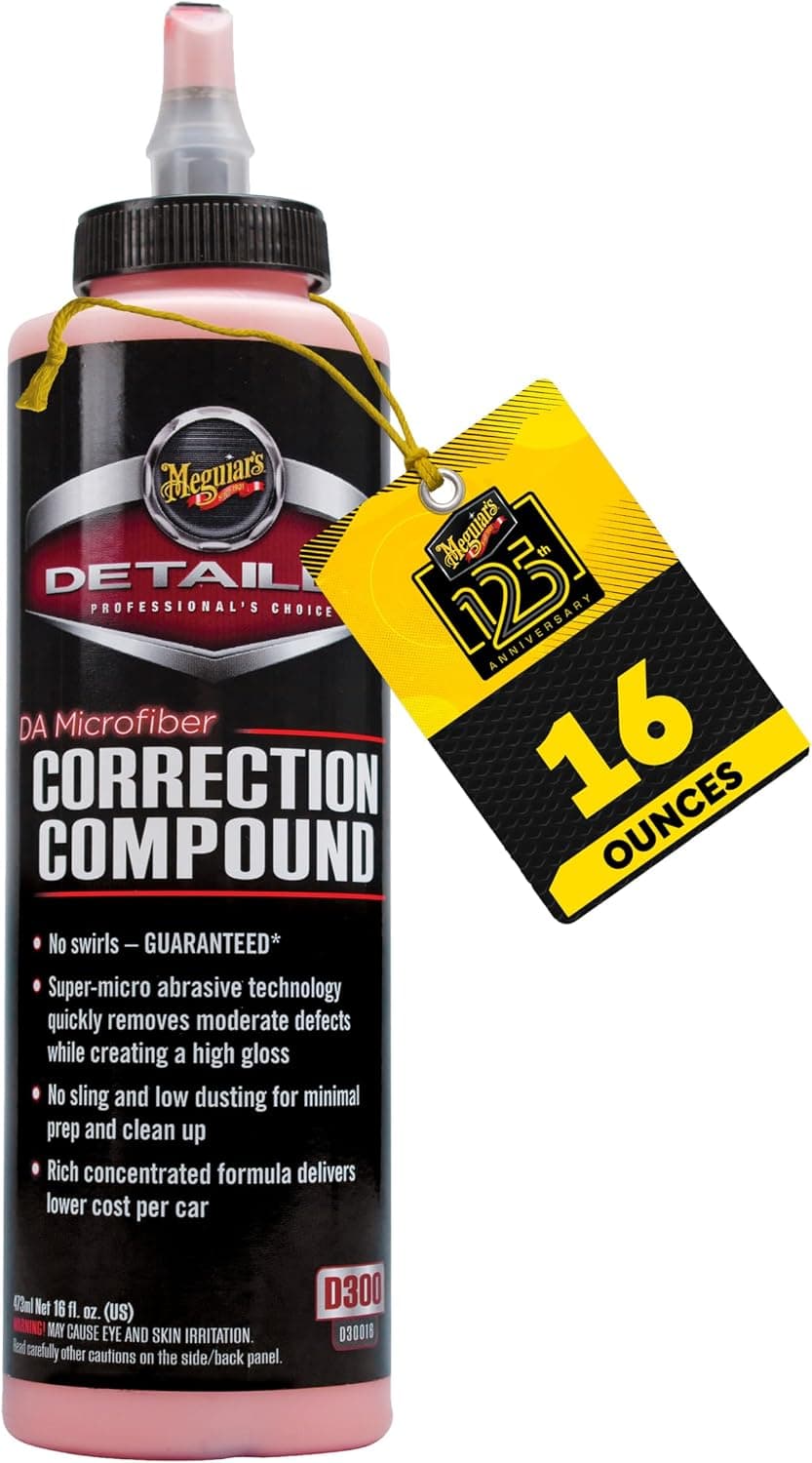
+ Designed for microfiber discs, giving strong cut on a DA polisher
From our guide: Best Cutting Compounds for Removing Deep Scratches
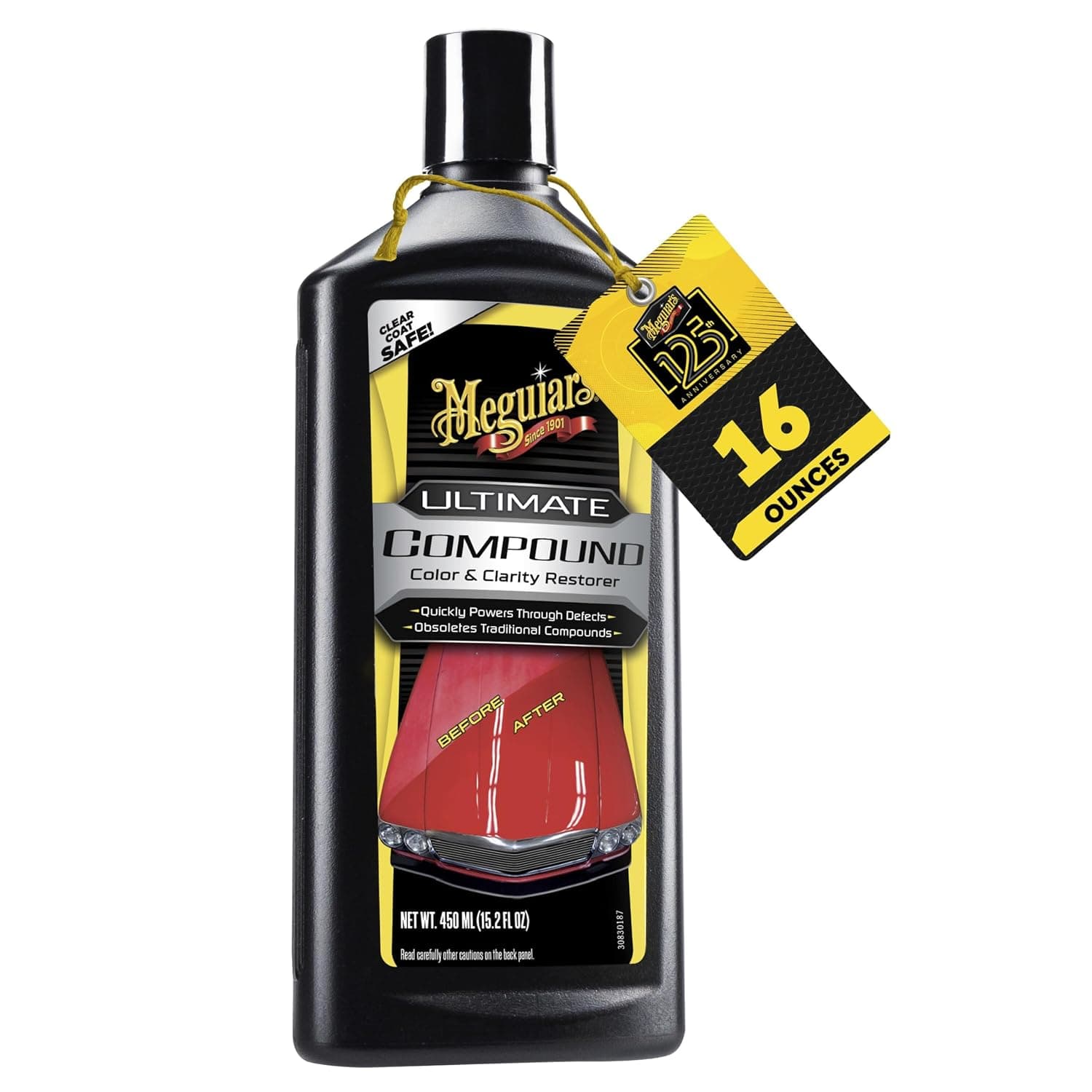
+ Pro-grade cut handles oxidation, swirls and moderate scratches
From our guide: Best Car Scratch Removers
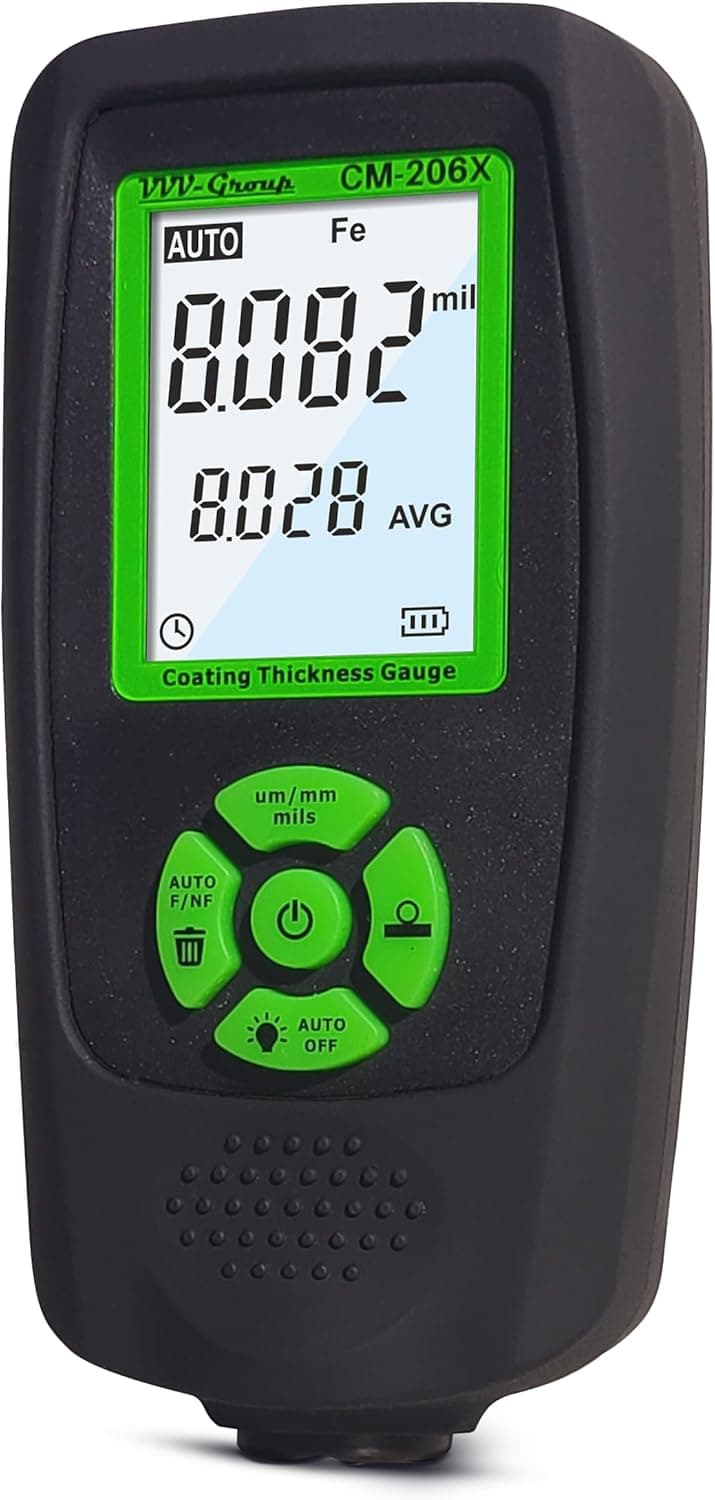
+ Ruby probe resists wear, keeping readings consistent over time
From our guide: Best Paint Thickness Gauges
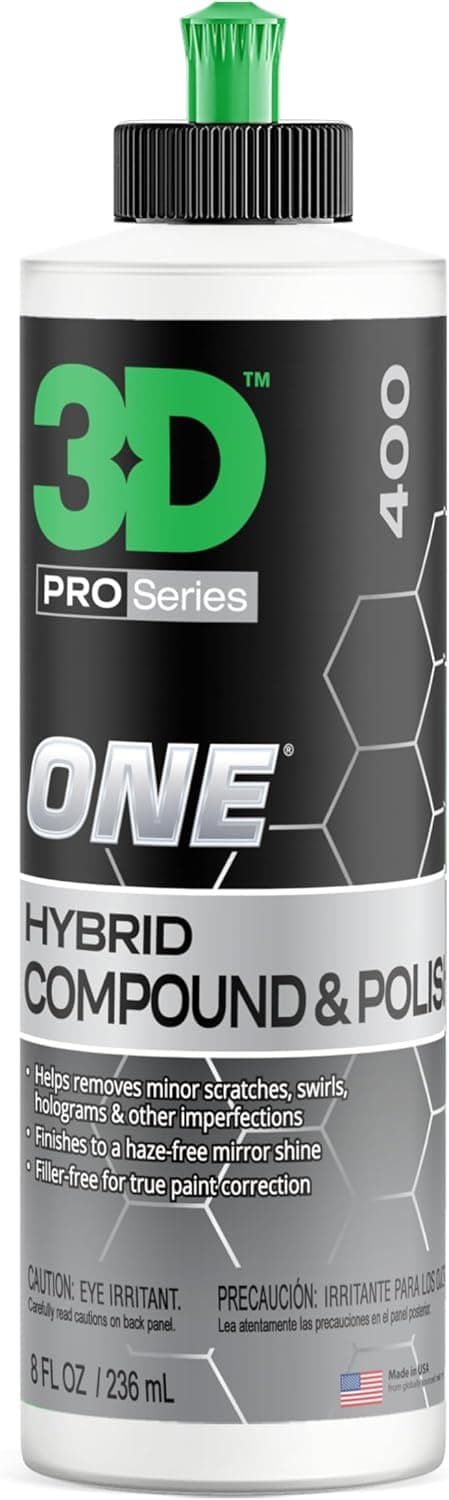
+ Hybrid formula cuts and finishes in one step to save time
From our guide: Best Cutting Compounds for Removing Deep Scratches
Popular right now
- Best Finishing Polishes for Maximum Gloss and ClarityBuying guide
- Best Spray Ceramic CoatingsBuying guide
- Cleaning Car Carpets and Fabric UpholsteryArticle
- Best Cutting Compounds for Removing Deep ScratchesBuying guide
- Best Car Scratch RemoversBuying guide
- Interior Detailing Step by StepArticle
Based on the last 28 days of search and visitor data.